
Bat genomes link immune function to longevity, study finds
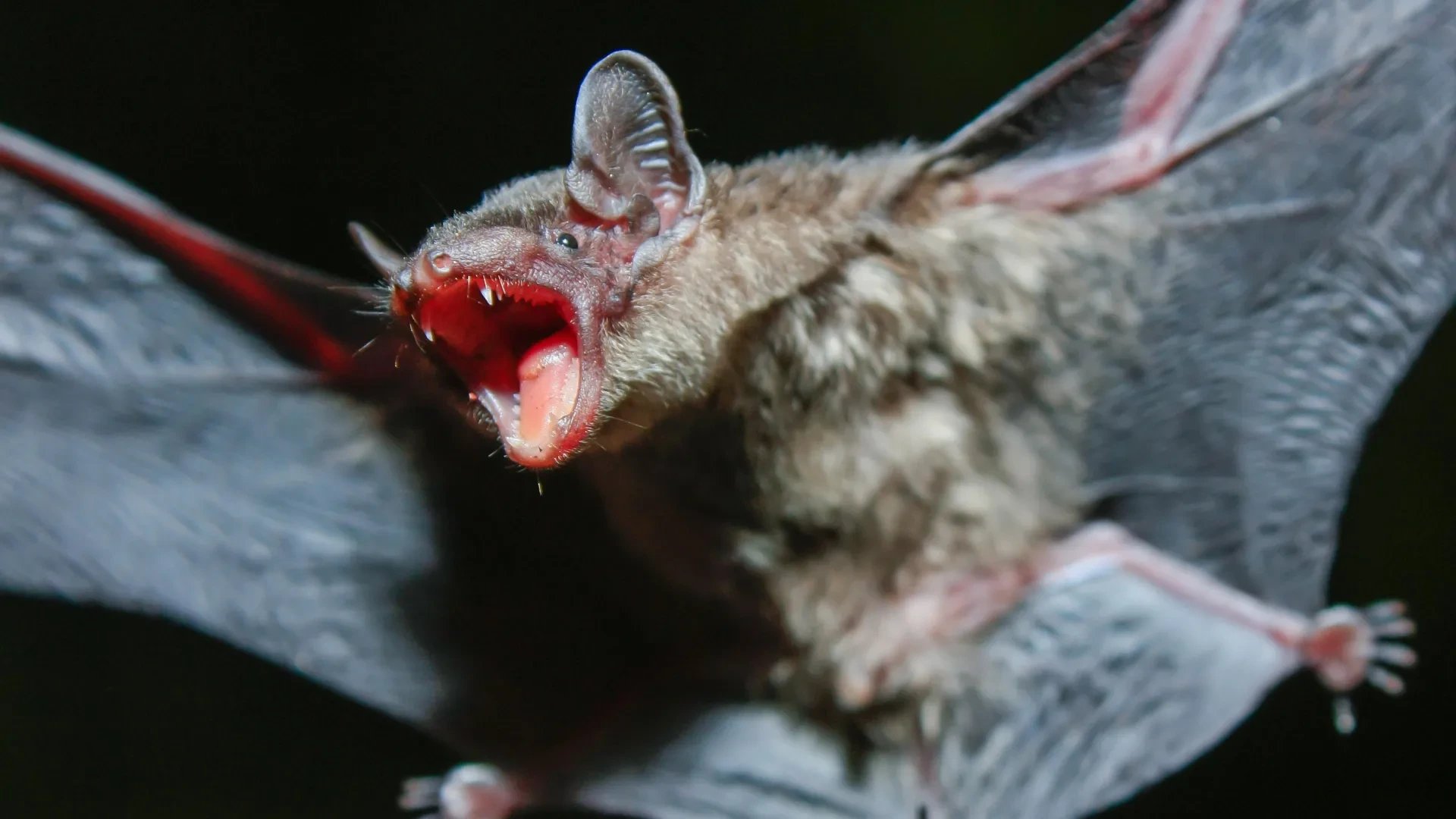
This digest was compiled by AI from multiple sources — links to the originals are below.
A new study in Nature presents the first analysis of eight Myotis bat genomes, revealing a strong connection between lifespan and immune function. Longer-lived bats had higher levels of genes associated with fighting cancer. The findings suggest longevity may depend on an immune system that remains effective against both infections and cancer.
Key Facts
- The study analyzed eight Myotis bat genomes, the first such analysis for this genus.
- Longer-lived bats had higher levels of genes associated with fighting cancer.
- A Brandt's myotis was banded in Europe and recaptured 50 years later.
- The longest-lived bat in the sample, the little brown bat (Myotis lucifugus), responded to toxic chemicals by increasing genes that promote cell death rather than DNA repair.
- The study was published in Nature by Juan Manuel Vazquez and colleagues.
Genome Analysis
Juan Manuel Vazquez, a UC Berkeley postdoctoral fellow, began searching for bat species across the Western U.S. in 2020 to collect tissue samples for DNA sequencing. The team captured bats using mist nets over streams, ponds, and rivers at night, collecting small biopsy samples before releasing the animals. The study focused on the genus Myotis, which includes species with exceptionally long lifespans. The new study in Nature presents the first analysis of eight Myotis genomes.
Immune Function Link
The results point to a strong connection between lifespan and immune function. Longer-lived bats had higher levels of genes associated with fighting cancer. Researchers found substantial overlap between genes associated with aging and genes involved in disease defense. Vazquez said bats evolved to live long without getting diseases, suggesting aging and infection research need not be separate fields.
Cell Damage Response
Vazquez grew cells from bat wing biopsies in the laboratory, currently maintaining cultures from 259 individuals representing 32 species. He exposed the cultured cells to toxic chemicals to observe their response to severe damage. The little brown bat (Myotis lucifugus), the longest-lived species in the sample, increased activity of genes promoting cell death rather than DNA repair. Vazquez described the response as the literal opposite of what was expected from a lethal dose of the chemical.
1 source
Time · lag behind first