
Cat cancer genome study finds shared driver genes with human tumors
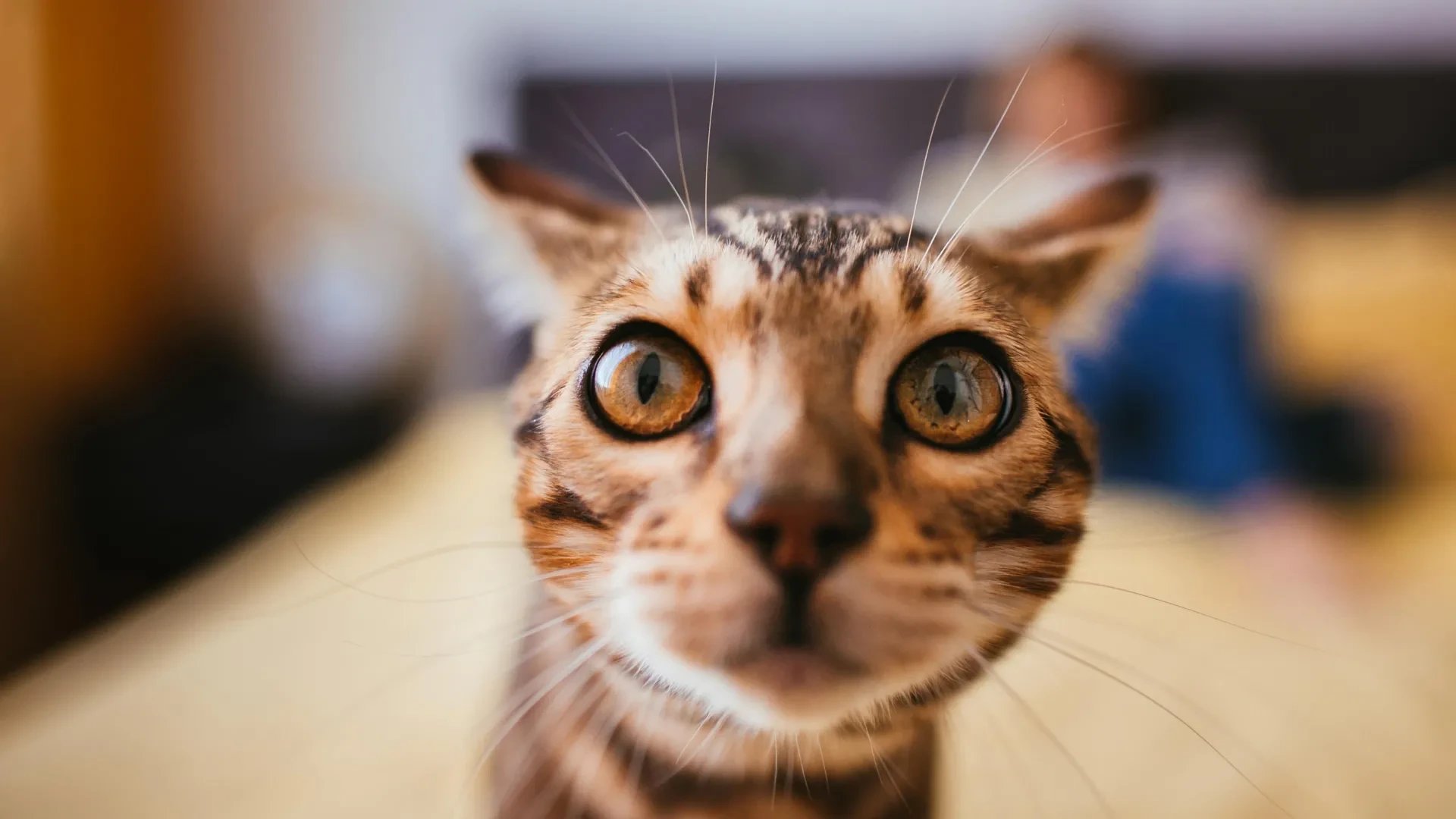
This digest was compiled by AI from multiple sources — links to the originals are below.
An international team analyzed tumor samples from nearly 500 domestic cats across five countries and found that many cancer driver genes match those in human and dog cancers. The study, published in Science, identified FBXW7 mutations in over 50 percent of feline mammary tumors, a change linked to worse prognosis in human breast cancer. Researchers also released a freely available genetic resource for studying feline cancer.
Key Facts
- Researchers analyzed tumor samples from almost 500 domestic cats in five countries.
- More than 50 percent of feline mammary tumors carried a mutation in the FBXW7 gene.
- The study was published in Science and included a freely available genetic resource for other scientists.
- FBXW7 mutations in human breast cancer are associated with worse prognosis, paralleling the change seen in cats.
Genetic Overlap
The team found that many of the driver genes involved in cat cancers were also familiar from human and dog cancers. One of the clearest examples appeared in aggressive mammary cancers, which arise in breast tissue. The most common driver gene found in cat mammary tumors was FBXW7, with more than 50 percent of the tumors examined carrying a mutation in this gene. Researchers also identified similarities between cat and human cancers affecting the blood, bones, lungs, skin, gastrointestinal system and central nervous system.
Shared Environments
Domestic cats often live in the same environments as people and can encounter some of the same environmental factors as their owners, including household chemicals, air pollutants, and smoke. Studying naturally occurring cancer in pets could help researchers investigate how genetics and the surrounding environment interact.
2 sources
Time · lag behind first