
Tulane-led study finds vesper bats carry two antibody gene sets
This digest was compiled by AI from multiple sources — links to the originals are below.
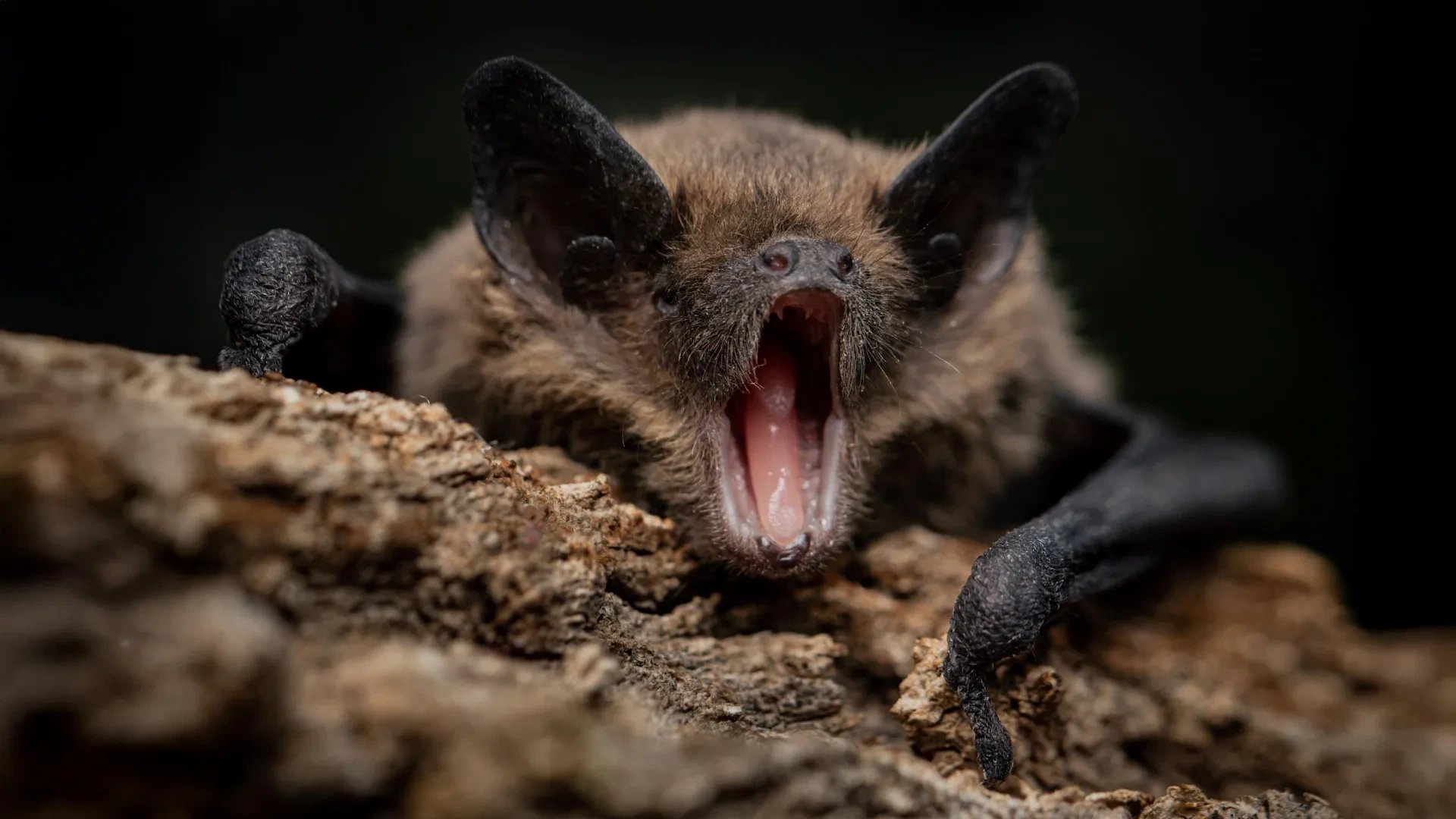
Researchers at Tulane University, with Stanford and CDC collaborators, found that vesper bats carry two distinct copies of antibody-producing genes, unlike all other known mammals. The discovery, published in Science Advances, offers a new direction for understanding bat immunity and viral reservoir capacity.
Key Facts
- The study was published in Science Advances.
- Vesper bats include more than 500 species living on every continent except Antarctica.
- Every other known mammal has only one set of antibody heavy-chain genes.
- Hannah Frank is the corresponding author and an associate professor at Tulane University School of Science and Engineering.
Antibody Gene Discovery
The study found that vesper bats have two separate heavy-chain gene systems for antibody production. In humans and all other known mammals, antibody heavy chains are produced using a single set of genes. The two gene systems potentially give vesper bats another way to create a wider variety of antibodies. Hannah Frank said the finding completely changes understanding of how mammalian immune systems can be organized.
Immune System Implications
Researchers studying bat immunity have traditionally focused on the innate immune system. Frank said the new findings show why the adaptive immune system, responsible for producing antibodies, deserves closer study. The discovery reveals a level of immune variety not previously known to exist in mammals. Frank said the finding does not fully explain why bats are effective viral reservoirs but gives an entirely new direction to explore.
Ecological and Health Context
Bats play important ecological roles as pollinators, seed dispersers, and natural pest controllers. Bats are natural hosts for many viruses, according to Frank. Learning how bats live alongside viruses without becoming ill could help researchers understand immune responses in other species. That knowledge may contribute to improved strategies for reducing the risk of disease spillover.
1 source
Time · lag behind first