
NASA study finds lunar south pole shadows may shelter dormant microbes for months
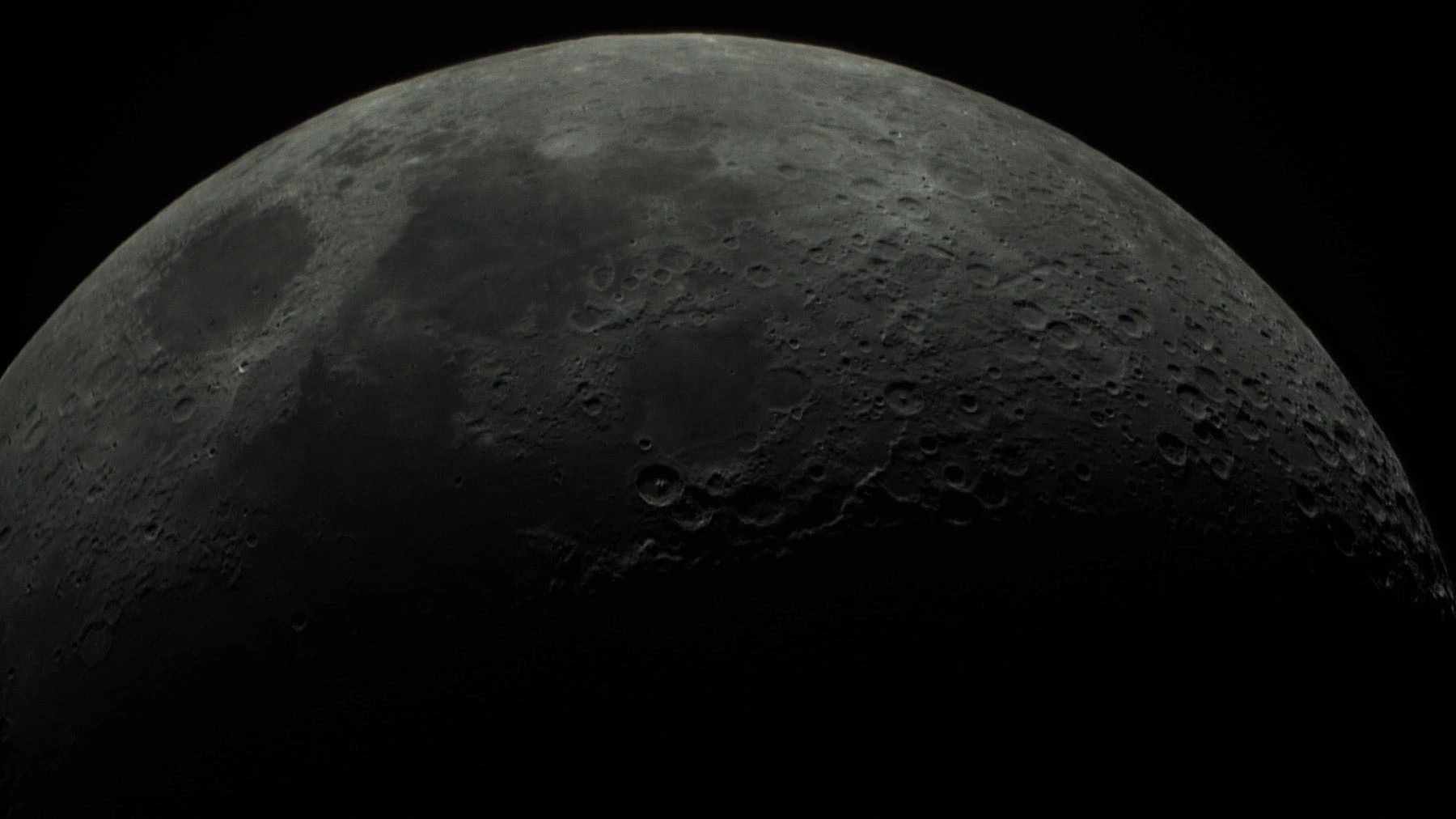
This digest was compiled by AI from multiple sources — links to the originals are below.
A NASA-led modelling study published in Science Advances on August 19, 2026, found that cold shadows near the lunar south pole could shield dormant terrestrial microbes from ultraviolet radiation and heat for days to months. The study combined orbital observations with laboratory microbial survival limits to model conditions at three south-polar sites. It does not demonstrate that microbes exist on the Moon or could grow there.
Key Facts
- The study was published in Science Advances on August 19, 2026.
- Lead author Prabal Saxena is at NASA's Goddard Space Flight Center.
- The study modelled Nobile Rim, Connecting Ridge, and De Gerlache Rim near the lunar south pole.
- NASA's Lunar Reconnaissance Orbiter has measured portions of polar craters below minus 246 degrees Celsius.
- Regional maps reached roughly 60 metres per pixel for ultraviolet exposure and 240 metres per pixel for temperature.
Lunar Surface Conditions
The Moon has almost no atmosphere, no stable liquid water on its surface, and no shield against ultraviolet light or energetic radiation. NASA's standard lunar figures put a surface in full sunlight near 127 degrees Celsius and one in darkness near minus 173 degrees. Near the lunar south pole, the Sun stays close to the horizon because the Moon's axis is tilted only slightly. Some crater floors never receive direct sunlight and are called permanently shadowed regions. NASA's Lunar Reconnaissance Orbiter has measured portions of polar craters below minus 246 degrees Celsius.
Modelling Approach
The work combined orbital observations with microbial survival limits measured in earlier laboratory experiments. Lead author Prabal Saxena of NASA's Goddard Space Flight Center and colleagues studied Nobile Rim, Connecting Ridge, and De Gerlache Rim. The team modelled incoming ultraviolet light and maximum surface temperature. Regional maps reached roughly 60 metres per pixel for ultraviolet exposure and 240 metres per pixel for temperature. Selected candidate sites were examined at about five metres per pixel, and ray tracing followed the changing angle of sunlight over periods from one day to at least seven days.
Study Limitations
No organism was put on the Moon, and none was shown growing there. The model does not supply food, an atmosphere, or liquid water. The study asks whether some terrestrial cells could arrive alive and avoid immediate destruction, not whether microbes already inhabit the lunar surface. Predictions depend on local terrain, illumination, season, and the maximum temperature reached within a particular patch.
1 source
Time · lag behind first