
South Korea to host first Central Asia summit in Seoul on September 16
This digest was compiled by AI from multiple sources — links to the originals are below.
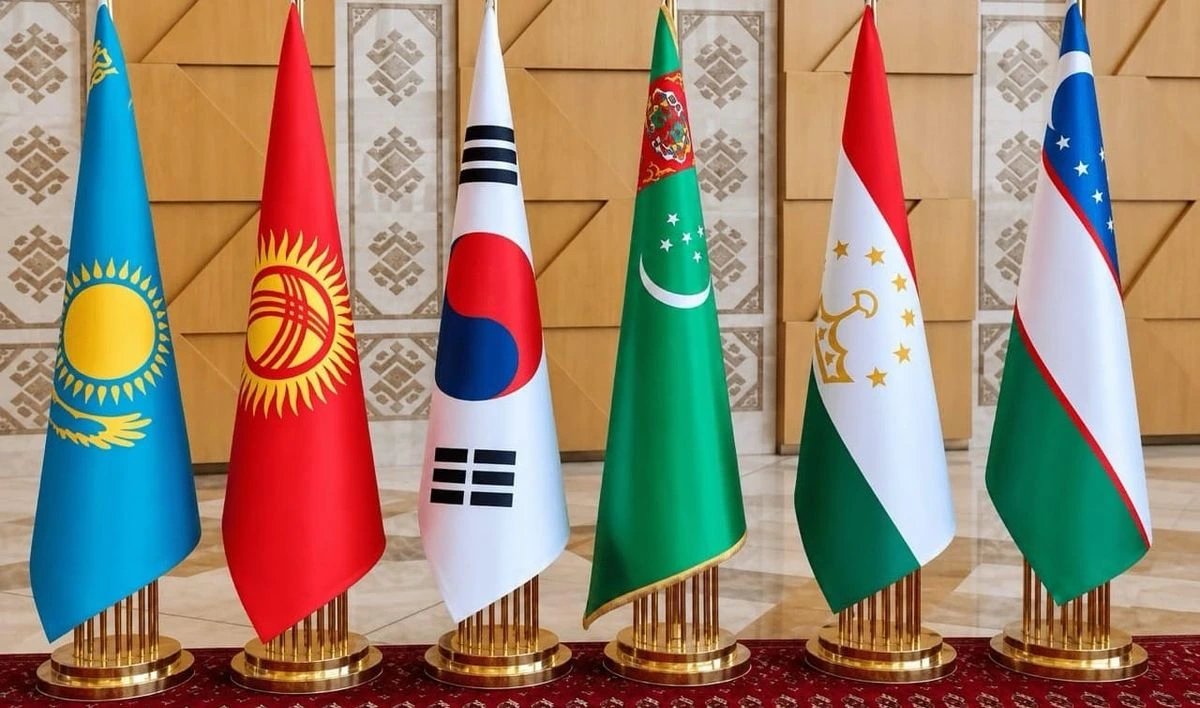
South Korean President Lee Jae-myung will host leaders of Kazakhstan, Kyrgyzstan, Tajikistan, Turkmenistan and Uzbekistan in Seoul on September 16 for the first Korea-Central Asia summit. The agenda focuses on energy, critical minerals, logistics, AI and technology. Bilateral meetings will precede the main summit.
Key Facts
- The summit will be held in Seoul on September 16, 2026, with leaders of all five Central Asian states attending.
- South Korea's imports of materials, components and equipment were more than 50% dependent on China for about 21% of items in 2024, according to OECD data.
- Kazakhstan accounted for about 39% of global uranium production in 2025.
- Bilateral trade between Kazakhstan and South Korea reached $3.17 billion in 2025, with a $1.3 billion surplus in South Korea's favor.
Summit Agenda
Seoul officially lists energy, critical minerals, logistics, AI and technology among the summit priorities. Bilateral meetings will take place before the main summit. The economic focus is on securing stable supplies of lithium, nickel, copper, rare earth elements and uranium for South Korean industry.
Kazakhstan's Role
In 2024, Astana and Seoul signed agreements on critical minerals covering exploration, mining, lithium processing and battery materials production. The agreed list includes lithium, nickel, cobalt, titanium, copper and rare earth elements. Kazakhstan and South Korea have preliminarily agreed to continue and possibly increase uranium supplies to Korea. South Korea's 26 nuclear reactors provide nearly one-third of its electricity.
Trade Imbalance
Kazakhstan's exports to South Korea totaled $0.93 billion in 2025, while imports reached $2.25 billion. The $1.3 billion gap in South Korea's favor reflects the old model of raw material exports versus technology imports. Seoul proposes linking Central Asia's resource base with Korean exploration and development technologies, infrastructure investment and production chain financing.
1 source
Time · lag behind first