
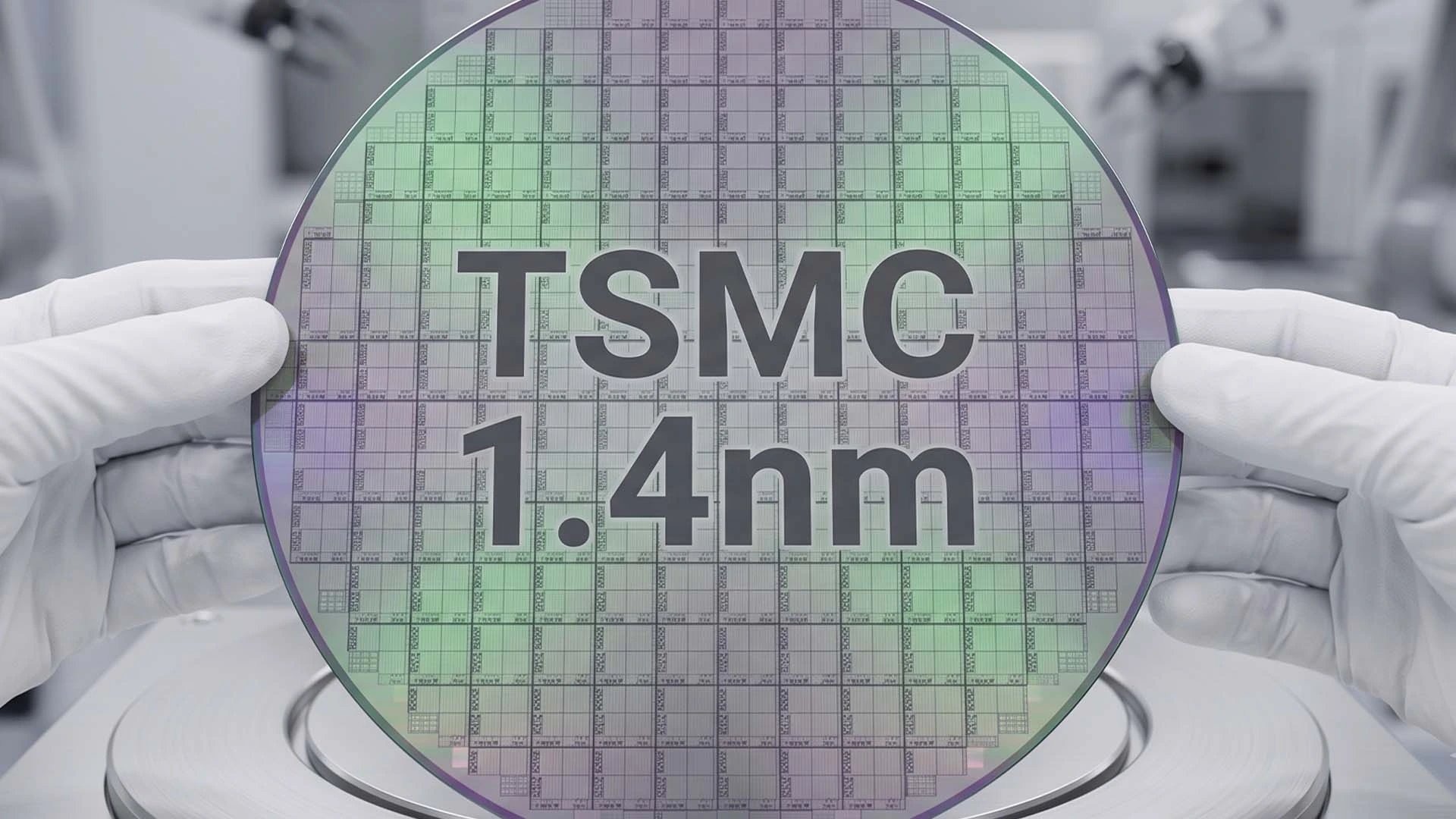
TSMC reportedly accelerates 1.4nm production to April 2027, a year ahead of schedule
This digest was compiled by AI from multiple sources — links to the originals are below.
TSMC is reportedly accelerating its 1.4-nanometer chip production timeline, with trial production at its Taichung facility now expected to start in April 2027. Mass production could follow in the second half of 2027, pulling the company's most advanced chips a full year ahead of the original 2028 schedule. The report cites Taiwanese press and technology park administration details.
Key Facts
- TSMC's 1.4-nanometer facility in Taichung could enter trial production in April 2027, with mass production expected in the second half of the year.
- Construction of the first factory started in October 2025, and its steel structure has already been laid out.
- The second factory, called P2, could be fully constructed by October 2026, and both factories could kick off mass production in October 2027.
- TSMC is purportedly investing $49 billion to build the plants.
Accelerated Timeline
TSMC's 1.4-nanometer process technology, also called the 14A manufacturing node, will succeed the firm's 2-nanometer technology. The updated timeline accelerates production dates significantly, as the original timelines had expected mass production for the 1.4-nanometer process to start in 2028. An earlier report in July claimed that TSMC could start pilot production for the 1.4-nanometer process by the third quarter of 2027.
Taichung Facility Construction
The technology park where the plant is being built revealed that construction of the plant started in October last year. The plant will feature four factories, and the first factory's steel structure has already been laid out. Floors and walls are now being built, and construction should be complete by early next year. For the second factory, workers have laid out the concrete base and are proceeding towards building the steel structure. The third and fourth plants are in the initial stages; TSMC has obtained a construction license for the third plant and is applying for a license for the second plant.
1 source
Time · lag behind first