
Washington Distances Itself From Khalilzad's Taliban Meetings Before 9/11 Anniversary
This digest was compiled by AI from multiple sources — links to the originals are below.
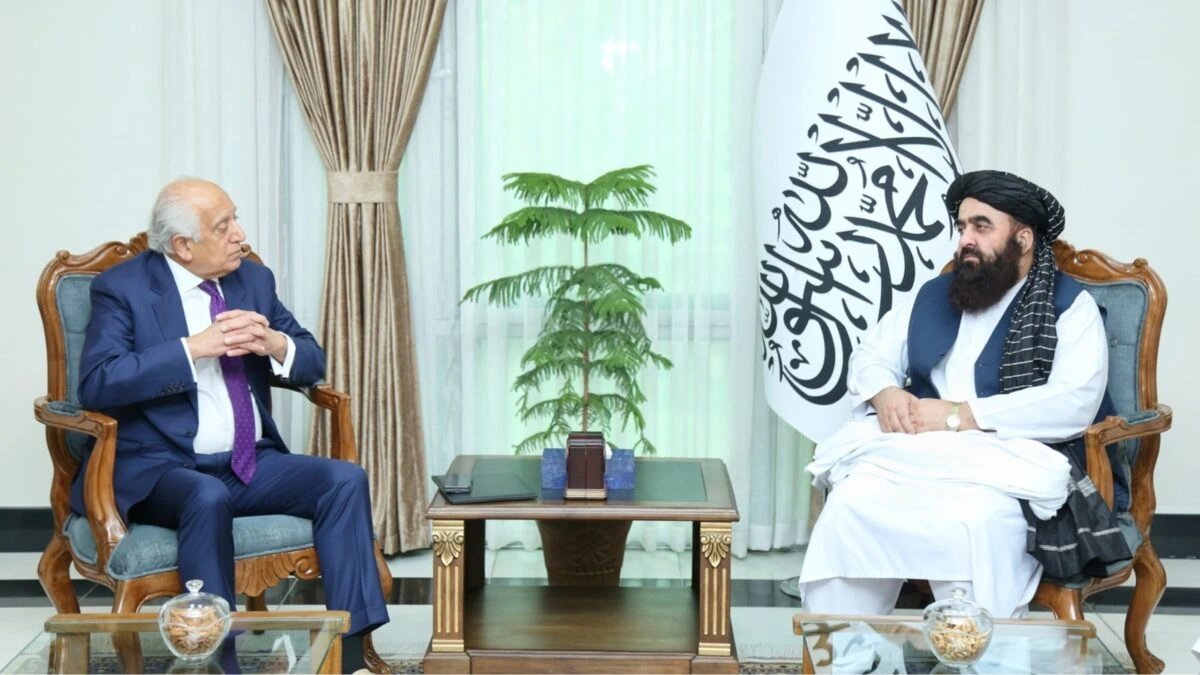
Former US special envoy Zalmay Khalilzad met senior Taliban officials and attended a major energy deal signing in Kabul on September 7. The State Department said Khalilzad does not represent the US government and urged private companies to exercise extreme caution in Afghanistan. The visit comes days before the 25th anniversary of the 9/11 attacks.
Key Facts
- Zalmay Khalilzad, US special envoy to Afghanistan from 2018 to 2021, was in Kabul on September 7 for the signing of an agreement between a Saudi energy group and Taliban authorities.
- The State Department said Khalilzad is not a US government employee and does not represent the United States government.
- The Taliban remain designated as a Specially Designated Global Terrorist group, and the US urges private companies to exercise extreme caution in Afghanistan.
- Khalilzad negotiated and signed the 2020 agreement with the Taliban that set the terms for the withdrawal of international forces from Afghanistan.
- Khalilzad was present in Kabul on April 4 this year for the release of American citizen Dennis Coyle from a Taliban prison.
The Kabul Visit
Zalmay Khalilzad, US special envoy to Afghanistan from 2018 to 2021, was in Kabul on September 7 for the signing of an agreement between a Saudi energy group and the Taliban authorities. The deal could lead to billions of dollars of investment in Afghanistan. During the visit, Khalilzad also met with the Taliban's foreign minister, Amir Khan Muttaqi. Khalilzad has posted news reports on the energy deal, calling it an indication that Afghanistan is ready for business.
US Government Response
The United States does not recognize the Taliban as the legitimate government of Afghanistan. A State Department spokesman told RFE/RL that Khalilzad is not a US government employee and does not represent the United States government. The spokesman added that the Taliban remain designated as a Specially Designated Global Terrorist group. The State Department urged private companies interested in doing business in Afghanistan to exercise extreme caution and ensure compliance with US law.
Analyst Reactions
Mir Abdul Wahid Sadat, head of the Afghan Lawyers Association, said people who have worked at high levels of the American government can sometimes influence foreign policy even after retiring. Tariq Farhadi, an Afghan political analyst based in Europe, said Khalilzad's influence and contacts in the United States could be important to the Taliban. Farhadi noted that Khalilzad has about 40 years of experience in American politics and knows many people in the government and Congress. Farhadi pointed to Syrian President Ahmed al-Sharaa's shift from being hunted as a terrorist to being feted at the White House as an example of changing US policy.
1 source
Time · lag behind first