
NOAA proposes opening protected marine monuments to commercial fishing
This digest was compiled by AI from multiple sources — links to the originals are below.
NOAA Fisheries has proposed fast-tracking commercial fishing in four Pacific marine national monuments covering over 1.1 million square miles. The proposal also includes Endangered Species Act reforms that rescind longstanding interpretation of 'harm' and reduce habitat conservation standards. The agency says it is moving toward a 'science-based, common-sense system,' while former NOAA Fisheries director Janet Coit warns the changes risk fish populations future generations depend on.
Key Facts
- The proposal covers four marine national monuments: Mariana Trench, Papahānaumokuākea, Rose Atoll, and Pacific Remote Islands.
- The protected areas span over 1.1 million square miles, nearly double the size of Alaska.
- NOAA Fisheries assistant administrator Eugenio Piñeiro Soler wrote that the agency is moving away from regulations that treat domestic harvesters like a problem.
- Former NOAA Fisheries director Janet Coit said now is not the time to 'avert our eyes and just go fish' given climate change impacts.
Proposed Monument Expansion
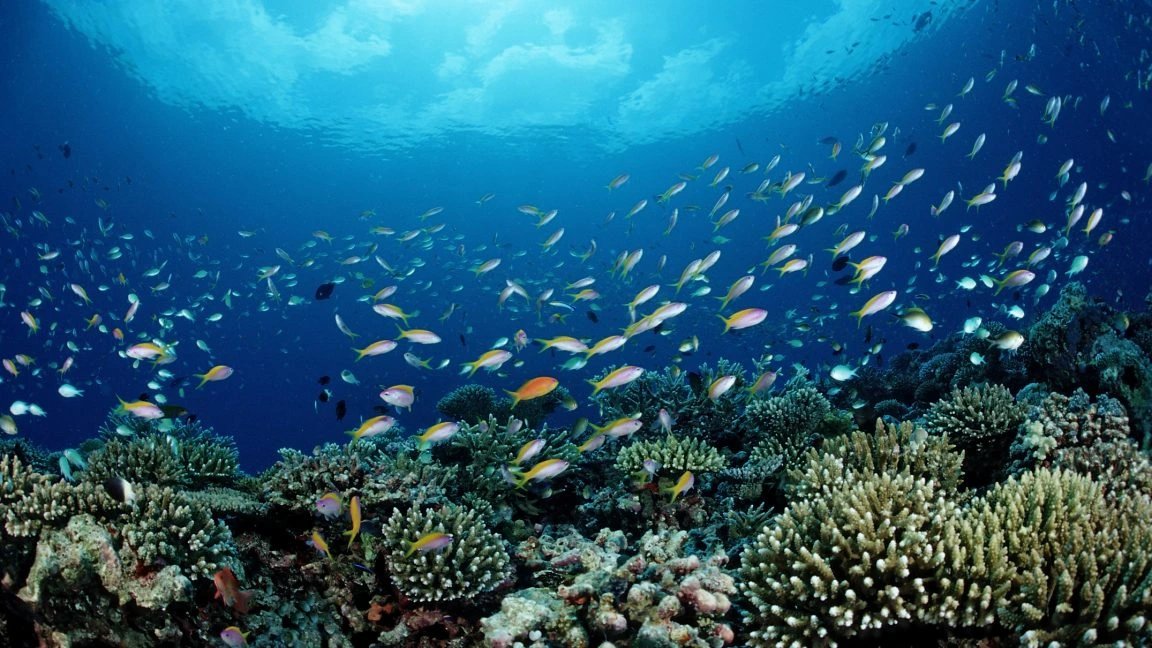
NOAA Fisheries has proposed fast-tracking the expansion and introduction of new commercial fishing operations at the Mariana Trench, Papahānaumokuākea, Rose Atoll, and Pacific Remote Islands national monuments. These four protected areas currently shield some of the last remaining relatively pristine ocean ecosystems, according to NOAA. Covering over 1.1 million square miles—an area almost double the size of Alaska—these habitats are home to millions of acres of coral reef and endemic species found nowhere else in the world, such as the Mariana snailfish and the Hawaiian pigfish.
Regulatory Rollbacks
The proposal includes new Endangered Species Act reforms that rescind longstanding interpretation of 'harm' and reduce the use of conservation standards of Habitat Areas of Particular Concern in regulatory actions. NOAA Fisheries assistant administrator Eugenio Piñeiro Soler wrote in the announcement that the agency is moving away from regulations that treat domestic harvesters like a problem to be managed, and toward a science-based, common-sense system. The agency did not respond to direct questions regarding what scientific protections will be kept in place and whether NOAA Fisheries now prioritizes commercial profits over environmental stewardship.
Industry and Expert Reaction
Lisa Wallenda Picard, president and CEO of the National Fisheries Institute, congratulated NOAA Fisheries and the Trump Administration for these new efforts and said the organization stands as a resource as the agency begins implementation. Janet Coit, the former director of NOAA Fisheries under President Joe Biden, said regulation is the backbone of sustainable fisheries management and expressed concern about what circumventing science-based limits will do to fish populations that future generations are counting on us to steward responsibly. Coit, who directed the previous administration's seafood strategy and believes '100 percent' in supporting and promoting US seafood, said short-term efforts to roll back protections miss the mark: 'With climate change impacts reshaping our ocean ecosystems, now is not the time to avert our eyes and just go fish.'
1 source
Time · lag behind first