
Balochistan's Pashtun districts see surge in violence since June
This digest was compiled by AI from multiple sources — links to the originals are below.
Violence has surged since June across Balochistan's Pashtun-majority districts, previously largely outside the province's conflict. Security forces reported repelling a Pakistan Taliban attack on a customs facility in Pishin district on September 1, killing 26 fighters in a separate operation in Shaban on September 4. The Balochistan Liberation Army claimed a September 3 ambush on a paramilitary convoy in Ziarat district that killed more than a dozen personnel, even as the military has not officially acknowledged the attack.
Key Facts
- On September 1, security forces repelled a Pakistan Taliban attack on a customs facility at Ziarat Cross in Pishin district, killing several armed fighters and six security and customs personnel.
- On September 4, security forces killed 26 more Pakistan Taliban fighters in an operation in Shaban, on the outskirts of Quetta.
- On September 3, gunmen ambushed a paramilitary convoy returning from Ziarat district, killing more than a dozen paramilitary personnel, according to a police officer speaking anonymously.
- The Balochistan Liberation Army claimed responsibility for the September 3 ambush, but the military's Inter-Services Public Relations has not officially acknowledged the attack.
- According to the Pakistan Institute for Conflict and Security Studies, Balochistan has been Pakistan's most affected province through most of 2026, with the gap over Khyber Pakhtunkhwa widening sharply from July.
Escalating Attacks
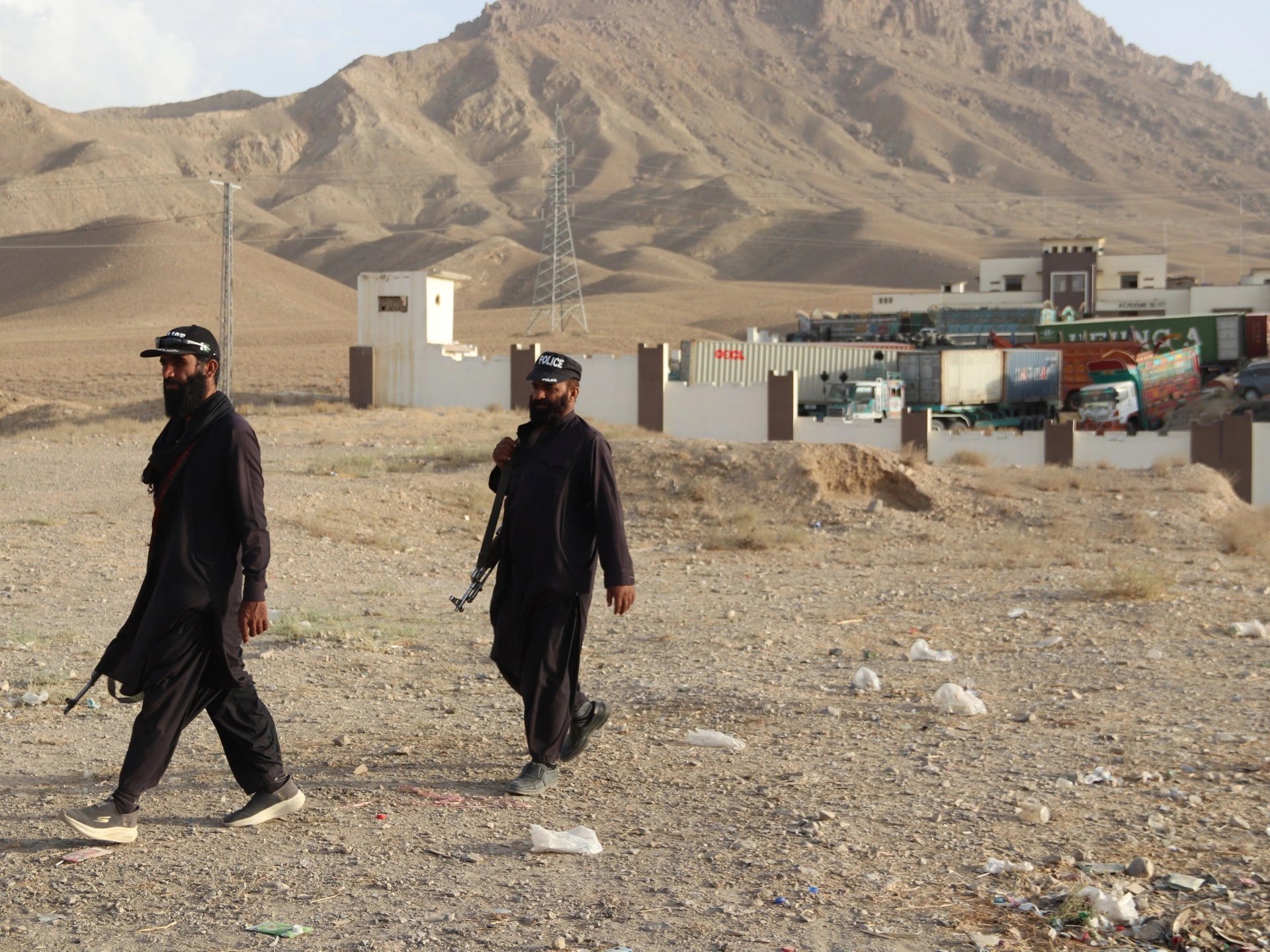
Violence has surged since June across Balochistan's Pashtun-majority districts, areas which had largely escaped the fighting that has engulfed much of Pakistan's southwestern province. On September 1, security forces said they had repelled an attack, claimed by the Pakistan Taliban (TTP), on a customs facility at Ziarat Cross in the Pashtun-dominated Pishin district, 100km northeast of Quetta. Several armed fighters and six security and customs personnel were killed in that attack. Three days later, security forces said they had killed 26 more fighters from the group in a separate operation in Shaban, on the outskirts of Quetta, another Pashtun-populated area.
Paramilitary Convoy Ambush
On September 3, gunmen ambushed a paramilitary convoy returning from Ziarat district, situated more than 100 kilometres east of Quetta. A police officer, speaking to Al Jazeera on condition of anonymity, said more than a dozen paramilitary personnel were killed. The Balochistan Liberation Army (BLA), the most prominent armed separatist group, claimed responsibility for the attack. The Inter-Services Public Relations (ISPR), the Pakistani military's media wing, has not officially acknowledged the attack. Al Jazeera sent seven questions to Pakistan's military media wing about the security situation in Balochistan, including a query about the September 3 ambush, but received no response.
Balochistan Overtakes Khyber Pakhtunkhwa
Data from multiple Pakistani monitoring organisations tracking violence shows that Balochistan has this year overtaken neighbouring Khyber Pakhtunkhwa as the country's most violent province. The Pakistan Institute for Conflict and Security Studies (PICSS), an Islamabad-based think tank, publishes monthly and weekly assessments of violence across the country. According to its data, Balochistan has been Pakistan's most affected province through most of 2026, with the gap over Khyber Pakhtunkhwa widening sharply from July. PICSS called July "the deadliest month of 2026" nationally and said the security situation had deteriorated most sharply in Balochistan.
1 source
Time · lag behind first