
Taliban clash with local commander in Badakhshan kills Tajik woman in cross-border fire
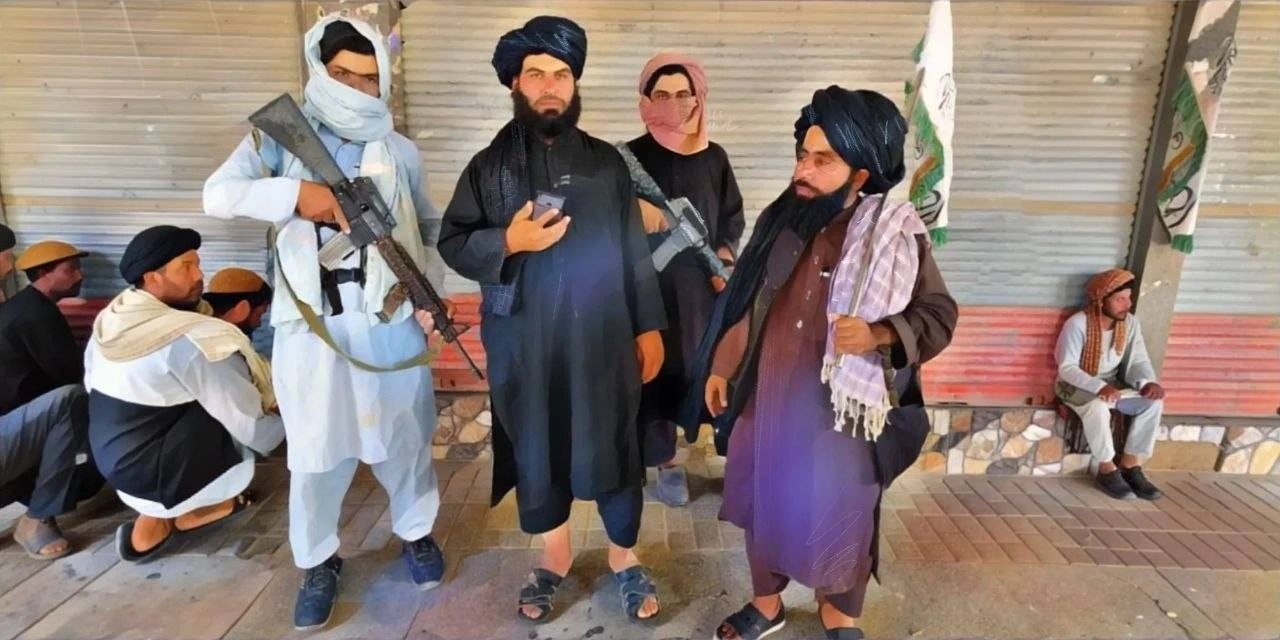
This digest was compiled by AI from multiple sources — links to the originals are below.
Fighting between Taliban forces and followers of local commander Juma Khan Fateh in Afghanistan's Badakhshan province began around August 11 and ended with Fateh's surrender on August 17. On August 13, gunfire from the Afghan side crossed into Tajikistan's Darvoz district, killing a 21-year-old woman inside her home. Tajikistan's Foreign Ministry lodged a formal protest, while the Afghan Foreign Ministry acknowledged the death and expressed regret.
Key Facts
- Fighting in Nusay district, Badakhshan province, began around August 11 between Taliban forces and followers of Juma Khan Fateh, a local Taliban commander of ethnic Tajik origin.
- Fateh surrendered on August 17 after nearly a week of fighting, and by August 22 Taliban spokesman Zabihullah Mujahid said his case was being prepared for trial.
- On August 13, gunfire from the Afghan side crossed into Tajikistan's Darvoz district, killing a 21-year-old woman inside her home and damaging residential property.
- ACLED recorded 22 anti-Taliban armed-opposition events in Badakhshan from January through July 2026, compared with four from June through December 2025.
- Tajikistan shares a 1,374-kilometer frontier with Afghanistan, much of it facing Afghan Badakhshan.
The Fighting
In Nusay district, Badakhshan province, fighting began around August 11 between Taliban forces and followers of Juma Khan Fateh, a local Taliban commander of ethnic Tajik origin who had resisted efforts to disarm his network. The Armed Conflict Location and Events Data Project (ACLED) identifies the immediate trigger as an attempt to remove military equipment and vehicles from areas under Fateh's control, amid longer-running tensions over disarmament, local authority, and control of gold mining. Similar disputes over gold mines have repeatedly produced clashes between local commanders and Taliban forces since 2021. Fateh surrendered on August 17 after nearly a week of fighting, and by August 22 Taliban spokesman Zabihullah Mujahid said his case was being prepared for trial. Post-surrender reporting also indicated weapons seizures and disarmament activity around Fateh-linked sites and associates, although the scale of the reported seizures and disarmament remained incompletely verified.
Cross-Border Impact
Nusay lies opposite Tajikistan's Darvoz district, and on August 13 gunfire from the Afghan side crossed into Darvoz, killing a 21-year-old woman inside her home and damaging residential property. Tajikistan's Foreign Ministry lodged a formal protest, saying the fighting had violated the country's airspace and demanding respect for the state border and measures to prevent a recurrence. The Afghan Foreign Ministry acknowledged the death and expressed regret while blaming "disruptive and opportunistic elements." The one confirmed limited incident does not show that the conflict has extended into Tajikistan on a sustained basis, but it makes the cross-border dimension more than hypothetical. Tajikistan shares a 1,374-kilometer frontier with Afghanistan, much of it facing Afghan Badakhshan.
Broader Instability
The Fateh episode came amid a broader increase in armed instability in Badakhshan during 2026. ACLED recorded 22 anti-Taliban armed-opposition events in the province from January through July, compared with four from June through December 2025. In July, one opposition group temporarily seized the Yaftal-e Sufla district headquarters, while the Afghanistan Freedom Front (AFF) reportedly fought Taliban forces in Zebak. The Yaftal-e Sufla and Zebak operations were separate from the Fateh confrontation, and there is no credible evidence of coordination with Fateh's network. Fateh's surrender ended the immediate confrontation, while separate armed-opposition activity in Badakhshan continued.
1 source
Time · lag behind first