
Devil's Arrows stones traced to Brimham Rocks 18 km away, study finds
This digest was compiled by AI from multiple sources — links to the originals are below.
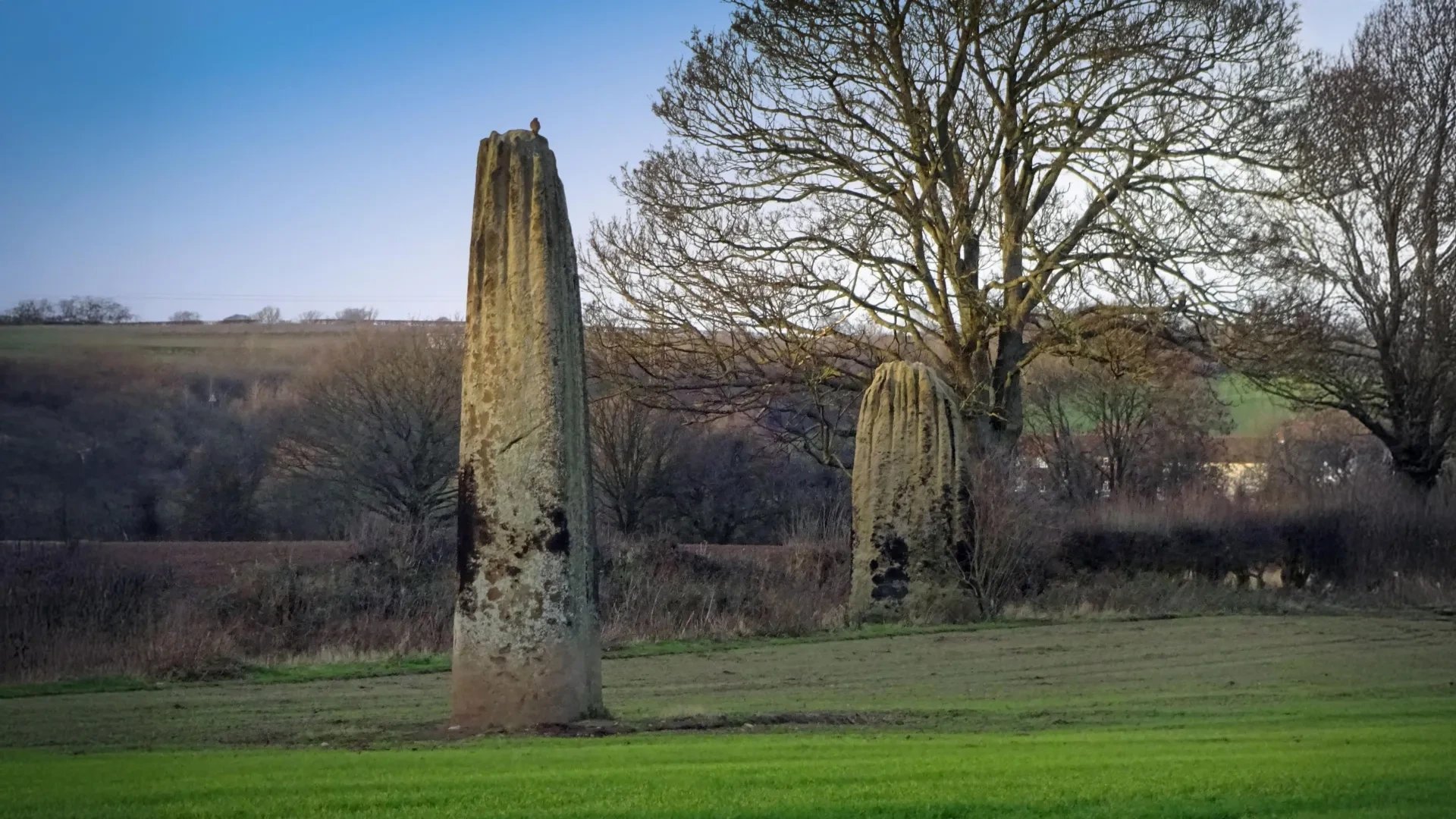
Researchers traced the source of the Devil's Arrows, Britain's tallest prehistoric stone row, to Brimham Rocks in North Yorkshire, 18 kilometers from the monument. The finding overturns the previous identification of Plumpton Rocks as the source and suggests the 25-tonne stones were deliberately transported from a distant, culturally significant landscape around 2000 BC.
Key Facts
- The Devil's Arrows near Boroughbridge, northern England, stand up to seven meters tall and form Britain's tallest surviving prehistoric stone row.
- Each stone weighs more than 25 tonnes, and the source at Brimham Rocks lies at least 18 kilometers from the monument.
- The study was led by Curtin University in collaboration with the University of York and published by Dr. Anthony Clarke and Dr. Jim Leary.
- Researchers used a low-impact adhesive tape sampling technique to collect mineral grains from the stones without damaging the monument.
Source Identification
The study is the first to pinpoint the geological source of the Devil's Arrows stones. Researchers traced the stones to Brimham Rocks, a rugged area in North Yorkshire, rather than the previously proposed Plumpton Rocks. The distance from Brimham Rocks to the Devil's Arrows is at least 18 kilometers, significantly farther than the closer Plumpton Rocks. Lead author Dr. Anthony Clarke from Curtin University said the stones were deliberately chosen from a challenging landscape 18 kilometers away.
Transport and Construction
Each stone weighs more than 25 tonnes, requiring substantial planning, coordination, and engineering skill to move. Researchers believe the stones were transported and raised during the Late Neolithic or Early Bronze Age, possibly around 2000 BC. Co-author Dr. Jim Leary from the University of York said the results show ancient communities made deliberate and meaningful choices about stone sources. The landscape around Brimham Rocks may have carried cultural, symbolic, or spiritual significance for the builders.
Analytical Method
Researchers used a new low-impact sampling technique involving adhesive tape to collect tiny mineral grains from the stones. They analyzed the age fingerprints of those grains and compared them with geological samples from possible source locations. The method allowed source identification without damaging the monument.
1 source
Time · lag behind first