
Denisovan fossils and tools from China cave reveal 100,000 years of occupation
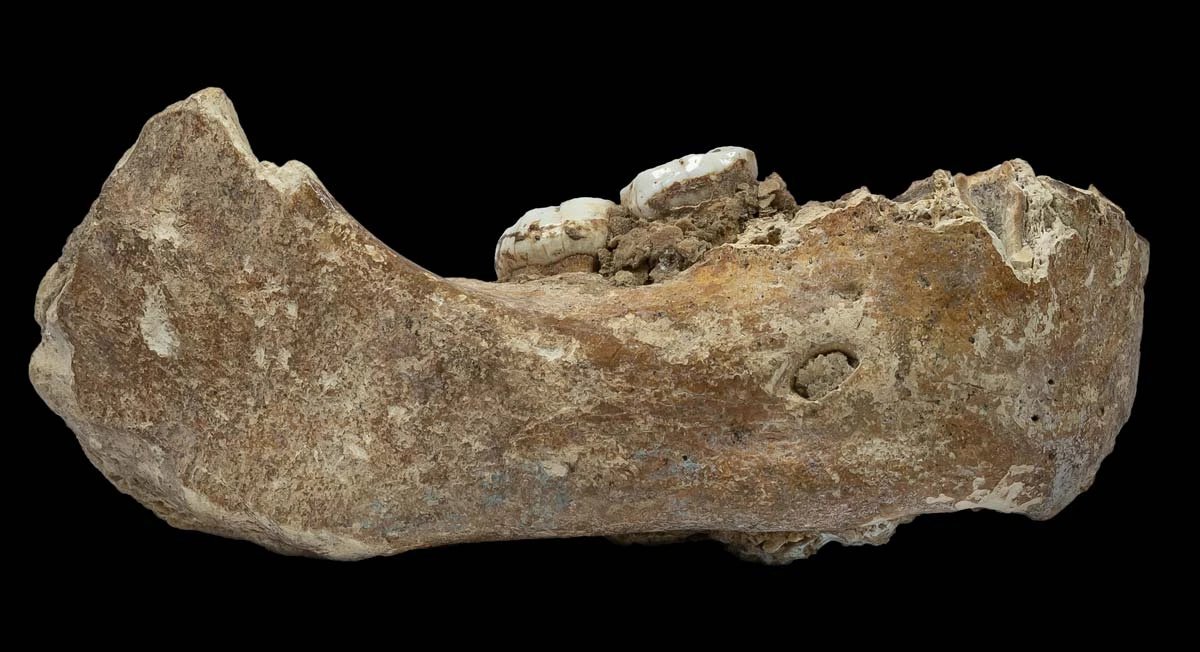
This digest was compiled by AI from multiple sources — links to the originals are below.
Archaeologists have uncovered a cave in southwestern China that Denisovans used for more than 100,000 years. Five human fossils, stone tools, and hundreds of animal bones were recovered from the site, providing the first evidence that Denisovans thrived in a forested environment and hunted large game.
Key Facts
- Bianfu Cave in Yunnan Province, China, yielded fossils from at least three Denisovans who lived between 167,000 and 134,000 years ago.
- The cave contained more than 1,300 stone tools and butchered animal remains.
- Denisovans are known from only a handful of fragmentary fossils scattered from Siberia to Laos.
- Denisovans lived across Asia an estimated 400,000 to 30,000 years ago.
The Discovery
Bianfu Cave, located at an abandoned quarry in Yunnan Province, southwestern China, has yielded a rich trove of Denisovan fossils. Protein analysis and high-quality X-ray scans confirmed that the fragment remains belonged to at least three Denisovans who lived between 167,000 and 134,000 years ago. The findings were published in two studies on September 9 in Nature. Archaeologists also recovered five human fossils, scores of stone tools, and hundreds of animal bones from the cave.
Denisovan Lifestyle
The cave reveals for the first time that Denisovans thrived in a forested environment where they hunted and ate large game animals. The remains were found alongside butchered animal remains and more than 1,300 tools. Shara Bailey, a paleoanthropologist at New York University, said the cave 'tells us a little about how Denisovans actually lived on the landscape.' Denisovans were a sister species of modern humans and lived across Asia an estimated 400,000 to 30,000 years ago.
Denisovan Record
Denisovans were first discovered in 2010, when DNA analysis of a tooth and finger bone found in a cave in Siberia revealed an entirely new human species. Since then, researchers have found that many modern people, including groups in the Philippines, Tibet, New Guinea and Australia, carry Denisovan DNA. Despite Denisovans' widespread genetic legacy, with so few fossils, little is known about how they lived. Denisovans went extinct around 30,000 years ago.
4 sources
Time · lag behind first