
UNEP report says 1.5C limit will be breached, urges overshoot-peak-decline path
This digest was compiled by AI from multiple sources — links to the originals are below.
A UNEP report finds Earth will exceed the 1.5C warming threshold within the next few years even under the most optimistic scenario, reaching at least 1.8C above pre-industrial levels. The report urges an 'overshoot, peak and decline' pathway to bring temperatures back below 1.5C by the end of the century. Experts warn that every fraction of a degree above 1.5C increases loss of life, crop failures and economic damage.
Key Facts
- The UNEP report 'Limiting Overshoot' finds that even under the most optimistic scenario, Earth will heat by 1.8C above pre-industrial levels.
- The report projects the global temperature rise will pass the 1.5C threshold 'within the next few years', then gradually cool to below 1.5C by the end of the century.
- Tom Rivett-Carnac, who helped shape the Paris Agreement, said overshooting is 'extremely dangerous' and raises the risks of runaway tipping points.
- Mohammed Adow of Power Shift Africa said every fraction of a degree above 1.5C means more lives lost, more crops failing and more damage to economies.
- The report warns that sustained cuts to greenhouse gas emissions are needed now to ensure the temperature rise returns to 1.5C in the future.
The Overshoot Pathway
The UNEP report, titled 'Limiting Overshoot', states that even under the most optimistic scenario, the Earth will heat up by 1.8C above pre-industrial levels. It envisions that the global temperature rise will pass the 1.5C threshold 'within the next few years', continue to increase, then gradually cool to below the 1.5-mark by the end of the century. The report describes this as an 'overshoot, peak and decline' pathway, which it says is still possible and essential to achieve the Paris goals. Tom Rivett-Carnac, who helped shape the architecture of the Paris Agreement, told Al Jazeera that this overshoot looks increasingly locked in.
Risks of Exceeding 1.5C
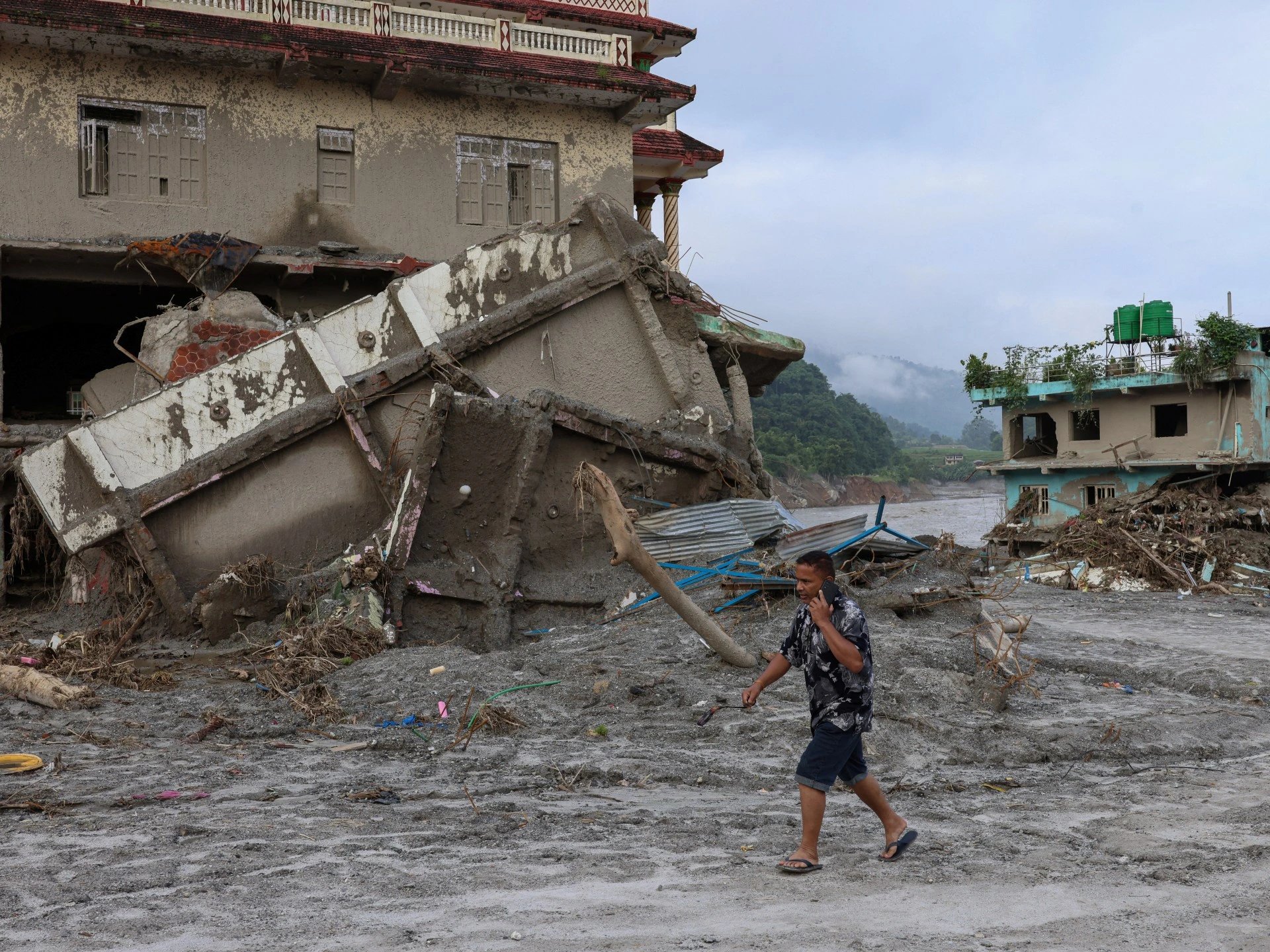
The report makes clear that the impact of rising temperatures will intensify with every year spent above the 1.5C threshold. Extreme weather will get more extreme, the danger of small island states and coastal cities being submerged will be more likely, and biodiversity loss will accelerate. It cites the recent catastrophic Nepal flash floods, in which more than 1,300 people died and thousands are still missing, as an example of disasters that could become more frequent. Rivett-Carnac said overshooting is 'extremely dangerous and raises the risks of runaway tipping points', and that if it has to happen, the task is to make it as small and as short as possible.
Call for Immediate Action
The report warns that to ensure the temperature rise returns to 1.5C in the future, the world needs to act now with sustained cuts to greenhouse gas emissions. Mohammed Adow of the think tank Power Shift Africa told Al Jazeera that every fraction of a degree above 1.5C means more lives lost, more crops failing and more damage to economies. Adow said that if exceeding 1.5C can no longer be avoided, the world must keep that overshoot in check and bring temperatures back down as soon as possible. He added that giving up because 1.5C is temporarily breached would be a 'catastrophic, unforgivable mistake'.
1 source
Time · lag behind first