
Taliban courts US investment in Afghanistan's $1 trillion mineral wealth
This digest was compiled by AI from multiple sources — links to the originals are below.
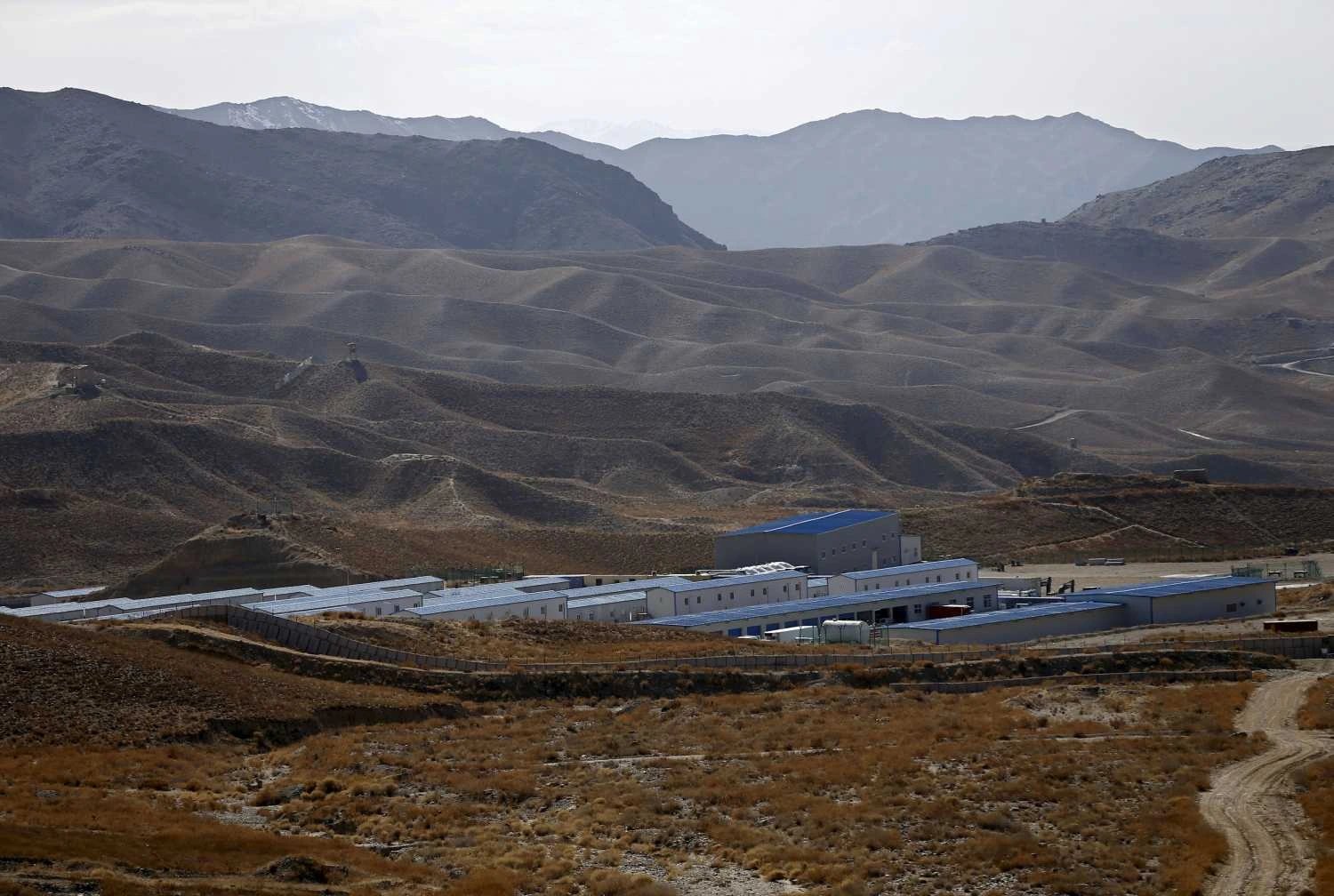
The Taliban government is offering the United States access to Afghanistan's mineral resources, valued at $1 trillion, in exchange for investment and diplomatic engagement. Foreign Minister Amir Khan Muttaqi told the Financial Times that Kabul would welcome U.S. investment in mining, infrastructure, agriculture, and trade. The U.S. State Department rejected the overture on September 2, citing the Taliban's sanctions status.
Key Facts
- Afghanistan's mineral wealth is estimated at $1 trillion, according to a 2007 U.S. Geological Survey cited by the Times of Central Asia.
- Taliban Foreign Minister Amir Khan Muttaqi told the Financial Times that Afghanistan would 'definitely' welcome U.S. investment in mining, infrastructure, agriculture, and trade.
- The U.S. State Department said on September 2 that it had no plans to engage with the Taliban on developing critical mineral resources.
- On July 30, the White House authorized the use of Defense Production Act powers to restrict exports of certain recoverable critical minerals and materials.
Taliban Diplomatic Overtures
Amir Khan Muttaqi, foreign minister in the Taliban government, told the Financial Times that Afghanistan would 'definitely' welcome U.S. investment in mining, infrastructure, agriculture, and trade. He said relations between the two countries should be viewed through the opportunities for future cooperation rather than the lens of 20 years of war. Muttaqi also invited the United States to reopen its embassy in Kabul while ruling out a return of U.S. control over Bagram Air Base. In mid-August, Muttaqi told The New York Times that the United States could reopen its embassy and invest in Afghanistan's mineral resources, dams, and roads. On August 30, he told Kyodo News that Kabul was seeking to normalize relations with the United States on the basis of mutual respect and shared interests, while formal recognition remained 'a matter for the next stage.'
U.S. Critical Minerals Policy
The Trump administration has significantly increased its focus on critical minerals and the resilience of supply chains. On July 30, the White House described U.S. dependence on foreign sources of critical materials as a growing risk to national security and authorized the use of Defense Production Act powers to restrict exports of certain recoverable critical minerals and materials. Ten days earlier, Trump signed an executive order aimed at strengthening defense supply chains and increasing reliance on critical materials and components sourced domestically or from allied countries. Kabul is trying to make itself relevant to this debate by presenting Afghanistan as a potential source of minerals and a destination for U.S. investment.
Washington's Rejection
The U.S. response immediately demonstrated the limits of that strategy. On September 2, the State Department said in a written response to Voice of America that it had no plans to engage with the Taliban on developing critical mineral resources. The department pointed to the Taliban's sanctions status and said U.S. investment could increase the financial resources available to Afghanistan's current authorities. For Washington, the attractiveness of Afghanistan's mineral resources cannot, for now, be separated from the political status and policies of those who control them.
1 source
Time · lag behind first