
China Navy Unveils Warship Acoustic Database to Track U.S. Ships Near Taiwan
This digest was compiled by AI from multiple sources — links to the originals are below.
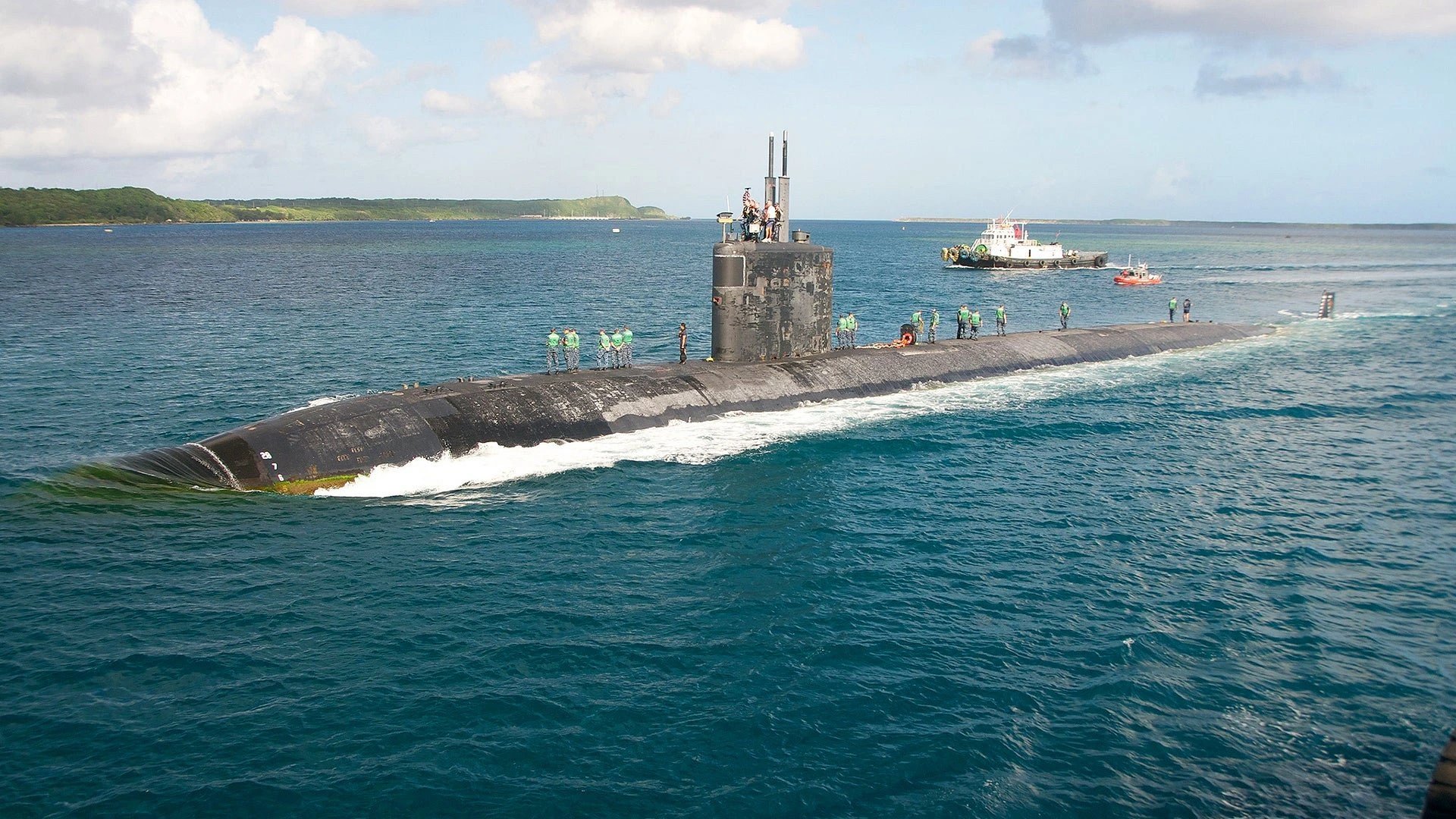
China's People's Liberation Army Navy has built an operational acoustic database of warship sound signatures, the Ministry of National Defense disclosed on September 6, 2026. The database was recently used in simulated submarine-versus-surface-ship combat to reacquire a maneuvering target. The disclosure comes as Chinese submarines seek to improve tracking of U.S. Navy carriers and escorts around Taiwan.
Key Facts
- China's Ministry of National Defense disclosed the acoustic database on September 6, 2026.
- The database was used in simulated submarine-versus-surface-ship combat to reacquire a target that repeatedly changed course and speed.
- The official Chinese account does not say the database contains acoustic signatures of specific U.S. Navy warships.
- Chinese naval units systematically collect first-hand acoustic information during deployments, major exercises, and maritime training.
Database Capabilities
The database catalogs frequency patterns and acoustic characteristics of different vessel types. It helps crews distinguish high-value targets from background noise and maintain contact after detection. The system strengthens the PLAN's undersea targeting chain and could make submarine operations more effective in the Western Pacific.
Operational Implications
A PLAN submarine that can hold or recover contact more effectively could place greater pressure on U.S. anti-submarine warfare defenses. Those defenses include P-8A Poseidon maritime patrol aircraft, MH-60R Seahawk helicopters, destroyers, and attack submarines. A submarine does not need perfect long-range identification to threaten a carrier strike group if it can maintain intermittent contact and keep pace with a formation. For U.S. aircraft carriers, this increases the importance of breaking submarine contact quickly.
1 source
Time · lag behind first