
Saudi Aramco's Jizan Refinery Hit in New Attack, Disrupting Red Sea Hub
This digest was compiled by AI from multiple sources — links to the originals are below.
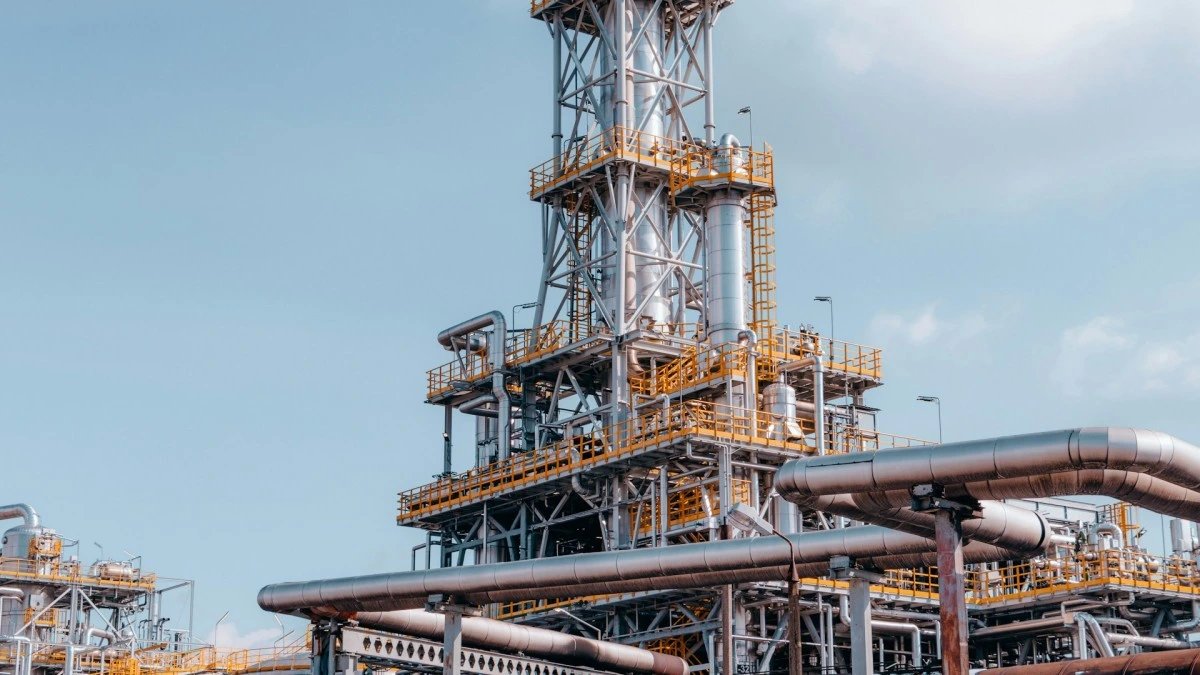
Saudi Aramco's 400,000-barrel-per-day Jizan refinery was hit in an attack on Monday, September 7, threatening a major Red Sea refining hub. The strike follows a similar attack last month that temporarily disrupted operations, and no group has been confirmed responsible. Oil prices climbed above $97 per barrel as Iran proposed a new shipping corridor through the Strait of Hormuz.
Key Facts
- The Jizan refinery has a capacity of 400,000 barrels per day and is located on Saudi Arabia's Red Sea coast.
- The Financial Times reported the attack, citing two people with knowledge of the incident.
- No oil exports were recorded from Jizan in August following the previous attack.
- Brent crude was trading above $97 per barrel on Monday.
- Aramco CEO Amin Nasser said last month that earlier attacks caused temporary interruptions but had no material operational or financial impact.
The Attack
The Jizan refinery was hit on Monday, September 7, according to the Financial Times, which cited two people with knowledge of the incident. One source described the strike as similar in scale to an attack last month that temporarily disrupted operations. Aramco has not commented on the latest damage, and no group has been confirmed as responsible. Jizan has become a repeated target since fighting between Saudi Arabia and Yemen's Iran-aligned Houthis resumed this summer.
Strategic Importance
The refinery's location on Saudi Arabia's Red Sea coast has become increasingly important since the war with Iran disrupted exports through the Strait of Hormuz. Saudi Arabia has pushed more crude west through its East West pipeline toward Yanbu, even as operations at Jizan have suffered. The Financial Times reported that oil shipments from the refinery have fallen sharply since the previous attack, with no exports recorded in August. Houthi attacks have also threatened tankers and other oil infrastructure along the kingdom's alternative Red Sea export route.
Market Reaction
Oil prices were already climbing Monday after Iran proposed a new shipping corridor through Hormuz that Tehran says it would control. The proposal followed a weekend of attacks at sea in which U.S. forces struck three Iranian oil tankers after Iran fired ballistic missiles at two U.S. warships. Brent was trading above $97 per barrel Monday. Aramco chief executive Amin Nasser said last month that the earlier attacks caused temporary interruptions but had no material operational or financial impact on the company.
2 sources
Time · lag behind first