
ANZ projects oil exports stay limited through end-2026 as Brent nears $97
This digest was compiled by AI from multiple sources — links to the originals are below.
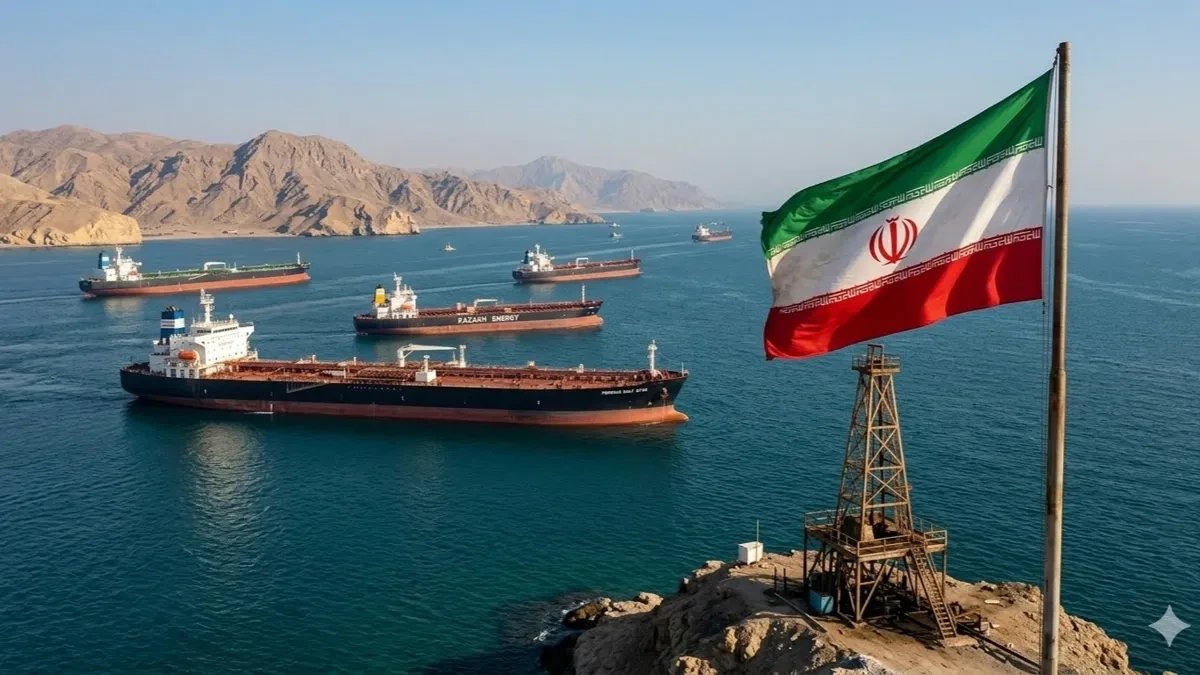
Brent crude rose 0.54% to $96.80 a barrel on Monday after U.S. forces struck three Iranian tankers and Iran attacked three more vessels in the Strait of Hormuz. ANZ analysts project oil exports will remain limited through the end of 2026, with a gradual resumption only in late Q4 2026. The escalation has cut Hormuz commodity transits to their lowest level since May, even as OPEC+ kept October output policy unchanged.
Key Facts
- Brent futures rose 52 cents, or 0.54%, to $96.80 a barrel on Monday, while WTI gained 66 cents, or 0.72%, to $92.14.
- U.S. Central Command reported strikes on three Iranian oil tankers on Saturday, including one near Kharg Island, a major Iranian export hub.
- Iran's Islamic Revolutionary Guard Corps navy said it attacked three oil tankers transiting the Strait of Hormuz on unauthorized routes and three more U.S. vessels elsewhere.
- ANZ analysts expect oil exports to remain restricted through the end of 2026, with a gradual resumption starting in late Q4 2026 and a return to pre-war volumes only by late Q1 or early Q2 2027.
- Kpler data shows an average of only ten commodity-carrying vessels passed through the Strait of Hormuz per day over the last ten days, the lowest since May.
Weekend Escalation
U.S. Central Command said it struck three Iranian oil tankers on Saturday in response to IRGC ballistic missile attacks on two U.S. warships. The tankers hit were M/T Downy, M/T Stark 1, and M/T Kylo, struck near Kharg Island, Jask, and in the Gulf of Oman respectively. Admiral Brad Cooper stated, "If you shoot at two of our ships, we will impose an even higher economic cost — taking out three of yours." Iran's IRGC navy claimed attacks on three oil tankers using unauthorized routes through the Strait of Hormuz and three additional U.S. vessels in other areas. Marisks, a maritime intelligence firm, called the events a "serious escalation of the maritime conflict," noting commercial tankers are now deliberately used as instruments of mutual economic pressure.
Supply Disruption
Kpler data shows an average of only ten commodity-carrying vessels passed through the Strait of Hormuz per day over the last ten days, the lowest since May. The Strait of Hormuz previously handled about one-fifth of global oil supply. Iran's Supreme National Security Council secretary Mohsen Rezai said a restricted access zone will be declared outside the Strait of Hormuz in the coming days. OPEC+ kept its October oil production policy unchanged on Sunday, with member countries yet to agree on new quotas before any decision to increase output.
Market Outlook
ANZ analysts view a protracted U.S.-Iran standoff with limited but regular military actions as the most likely scenario. ANZ expects oil exports to remain restricted through the end of 2026, with a gradual resumption beginning in late Q4 2026. The bank estimates a return to pre-war shipping volumes may not occur until late Q1 or early Q2 2027. Estimates of actual Hormuz oil flows remain sharply contested, as U.S. figures exceed visible tanker-tracking estimates and AIS-dark voyages complicate monitoring.
2 sources
Time · lag behind first