
Hormuz tanker traffic slows to five vessels as oil prices hold gains
This digest was compiled by AI from multiple sources — links to the originals are below.
Oil prices held gains on Monday after only five commodity vessels passed the Strait of Hormuz on Saturday and none were scheduled for Sunday, down from 31 the previous weekend. Brent crude traded at $88.62 a barrel and West Texas Intermediate at $82.18, with both benchmarks up more than 5% last week after attacks on ADNOC tankers and a Saudi Aramco refinery. Iranian Foreign Minister Abbas Araqchi said Iran had not decided to resume talks with the United States, while President Donald Trump urged Americans to accept higher gasoline prices.
Key Facts
- Only five commodity vessels passed the Strait of Hormuz on Saturday and none were scheduled for Sunday, compared with 31 tankers the previous weekend.
- The United Arab Emirates accused Iran of striking three ADNOC tankers last week, with attacks on Thursday and Friday.
- Brent crude and West Texas Intermediate each gained more than 5% last week after attacks on ADNOC tankers and a Saudi Aramco refinery in Jazan.
- Iranian Foreign Minister Abbas Araqchi said Iran had not decided to resume talks with the United States, while President Donald Trump urged Americans to accept higher gasoline prices.
- Shadow fleet transfers in the Gulf of Oman move up to 800,000 barrels per day of crude and condensate, keeping Brent in an $82–85 a barrel range.
Hormuz Shipping Slowdown
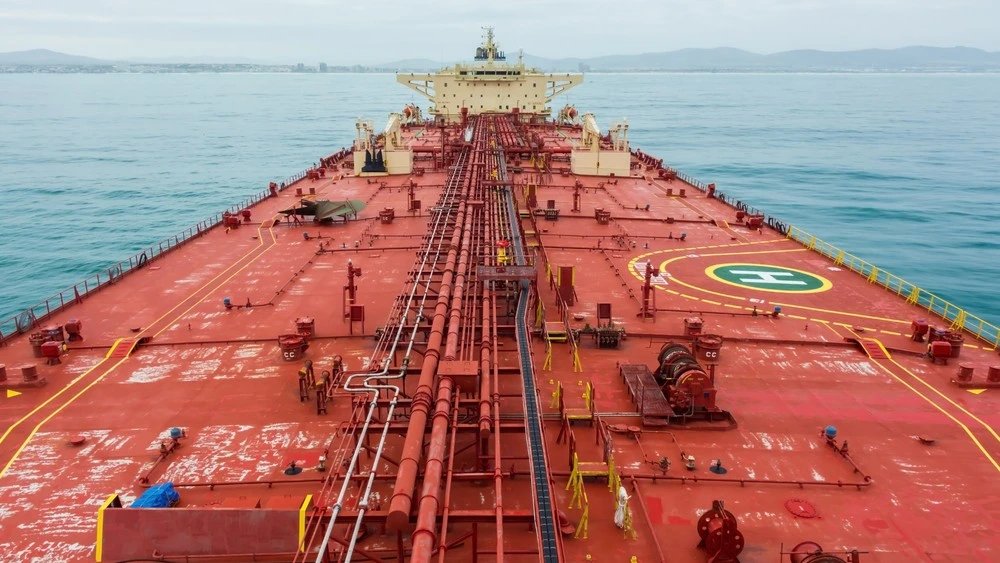
Only five commodity vessels passed the Strait of Hormuz on Saturday, and none were scheduled to transit the waterway on Sunday, compared with 31 tankers the previous weekend, according to Kpler data cited by Reuters. The United Arab Emirates accused Iran of striking three ADNOC tankers last week—two on Thursday and one on Friday—and the Yemeni Houthis said they struck an Aramco refinery in Jazan. Iranian Foreign Minister Abbas Araqchi said over the weekend that Iran had not decided to resume talks with the United States. U.S. President Donald Trump urged Americans to accept slightly higher gasoline prices while the conflict continues. Before the conflict, the strait carried about 20 percent of world oil and 20 percent of LNG, making the current crisis the largest energy supply disruption in decades.
Oil Price and Market Response
Brent crude traded at $88.62 a barrel and West Texas Intermediate at $82.18 on August 17, with Brent having broken above $89 earlier in the session. By 0128 GMT Brent was at $88.55 and WTI at $82.26, after both contracts gained more than 5% last week. Shadow fleet transfers in the Gulf of Oman with AIS off move up to 800,000 barrels per day, keeping Brent in an $82–85 range instead of the $100–120 analysts had forecast for a full stoppage. Tankers moving with transponders off and a large build in U.S. oil inventories also kept prices below peaks reached earlier in the year. Phillip Nova analyst Priyanka Sachdeva said prices have rebounded almost completely from early August lows as geopolitical risk premiums returned to the market.
7 sources
Time · lag behind first