
Seattle City Light, tribes agree to restore salmon passage at three Skagit dams
This digest was compiled by AI from multiple sources — links to the originals are below.
Seattle City Light, three tribal governments and federal agencies reached a comprehensive agreement to remove barriers to salmon migration at the Ross, Diablo and Gorge dams on the Skagit River. The deal reopens upper watershed areas that have been closed to salmon for generations. The fish passage program will transport juvenile and adult salmon around the dams while maintaining hydropower generation.
Key Facts
- The agreement covers the Ross, Diablo and Gorge dams, which have blocked salmon migration for 100 years.
- Juvenile salmon will be transported around the dams by truck to complete their downstream migration.
- Adult salmon returning upstream will be lifted above the dams by special mechanisms to reach spawning grounds.
- The Skagit Project supplies about 20 percent of Seattle's electricity.
- The Sauk-Suiattle, Swinomish and Upper Skagit tribes participated in the negotiations.
Fish Passage Program
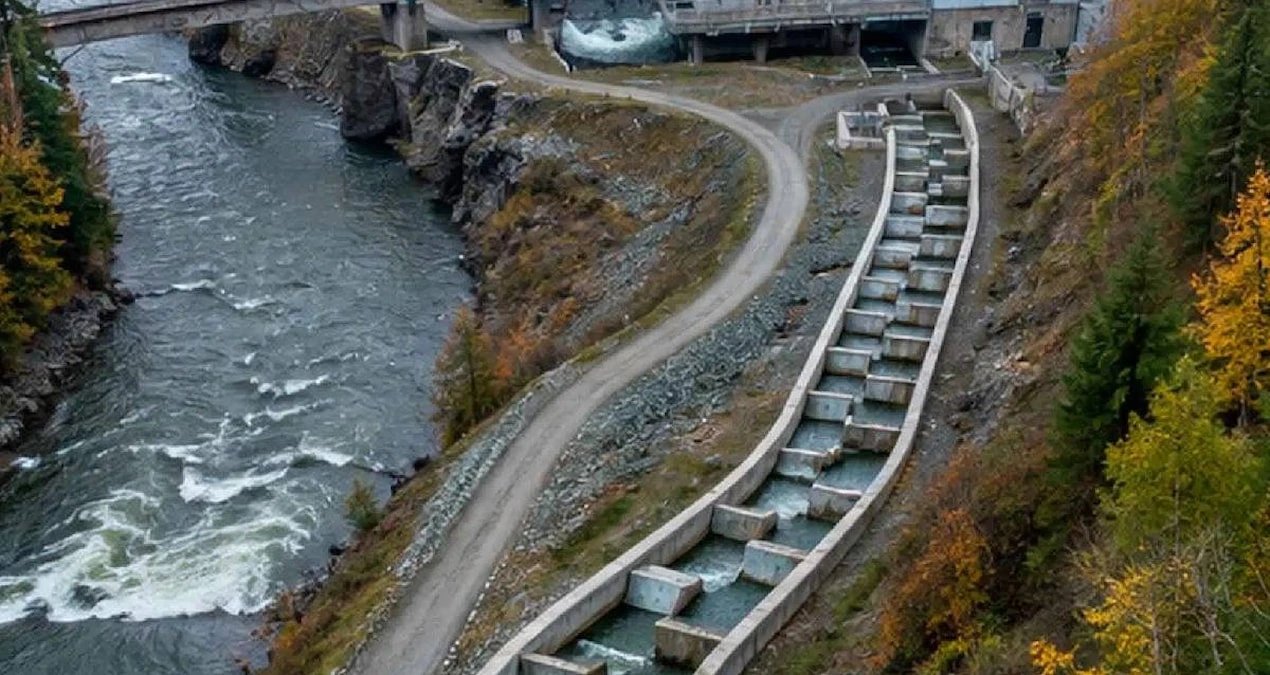
The fish passage program aims to help juvenile salmon heading to the ocean and adult fish returning to spawn overcome the dam barriers. Juvenile salmon will be transported around the dams by truck to complete their migration routes. Adult salmon returning from the ocean will be lifted above the dams by special mechanisms to reach upper watershed spawning areas. The method is designed to revive fish habitat without interrupting clean energy production.
Agreement Scope
Negotiations involving the Sauk-Suiattle, Swinomish and Upper Skagit tribes cover not only fish passage but environmental rehabilitation of the entire river basin. River and estuary restoration projects will be launched to improve water quality and support local wildlife populations. The Skagit Project, which supplies about 20 percent of Seattle's electricity, will be sustained through long-term scientific monitoring and management models.
1 source
Time · lag behind first