
Japan, South Korea and U.S. forge trilateral nuclear energy alliance
This digest was compiled by AI from multiple sources — links to the originals are below.
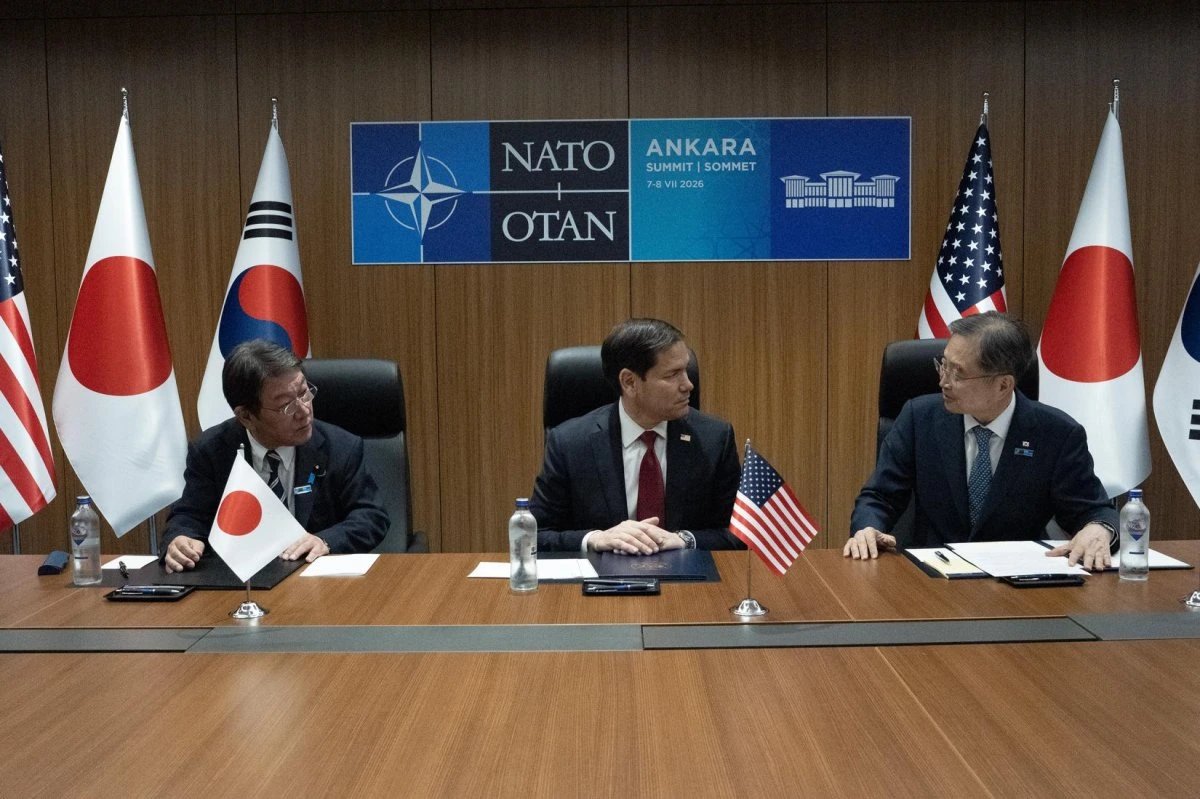
Japan and South Korea are accelerating nuclear energy expansion in coordination with the United States, forming a trilateral alliance. The partnership aims to counter Chinese and Russian influence in reactor supply chains. It follows renewed interest in nuclear power driven by AI energy demand and fossil fuel disruptions.
Key Facts
- Japan and South Korea are expanding nuclear energy as part of their energy security strategies.
- The United States has a strategic interest in Japan and South Korea becoming default reactor suppliers to the region.
- Nuclear power provides emissions-free energy without the need for energy storage capacity.
- The war in Iran and the war in Russia have disrupted fossil fuel supply chains.
Trilateral Nuclear Cooperation
Japan and South Korea are reshaping nuclear politics in Northeast Asia in concert with Washington. Energy policy is folding into the broader architecture of trilateral security cooperation. The United States has a clear interest in ensuring Japan and South Korea enter the nuclear vendor race. Washington would benefit if its two Northeast Asian allies become default suppliers of reactor technology to the region.
Geopolitical Motivations
Russia and China are the only realistic nuclear vendors for many developing countries. Japanese and Korean leadership see limiting Chinese influence in their energy markets as a national security concern. Ensuring nuclear reactors are not made in China or Russia is one way to limit that influence.
Nuclear Renaissance Drivers
Energy demand from AI hyperscalers is contributing to the global nuclear renaissance. Fossil fuel supply chain disruptions from the wars in Russia and Iran are also driving renewed interest. Nuclear power produces emissions-free energy at all hours without requiring energy storage capacity.
1 source
Time · lag behind first