
Japan and South Korea recast nuclear power as security pillar, fuel cycle gap remains
This digest was compiled by AI from multiple sources — links to the originals are below.
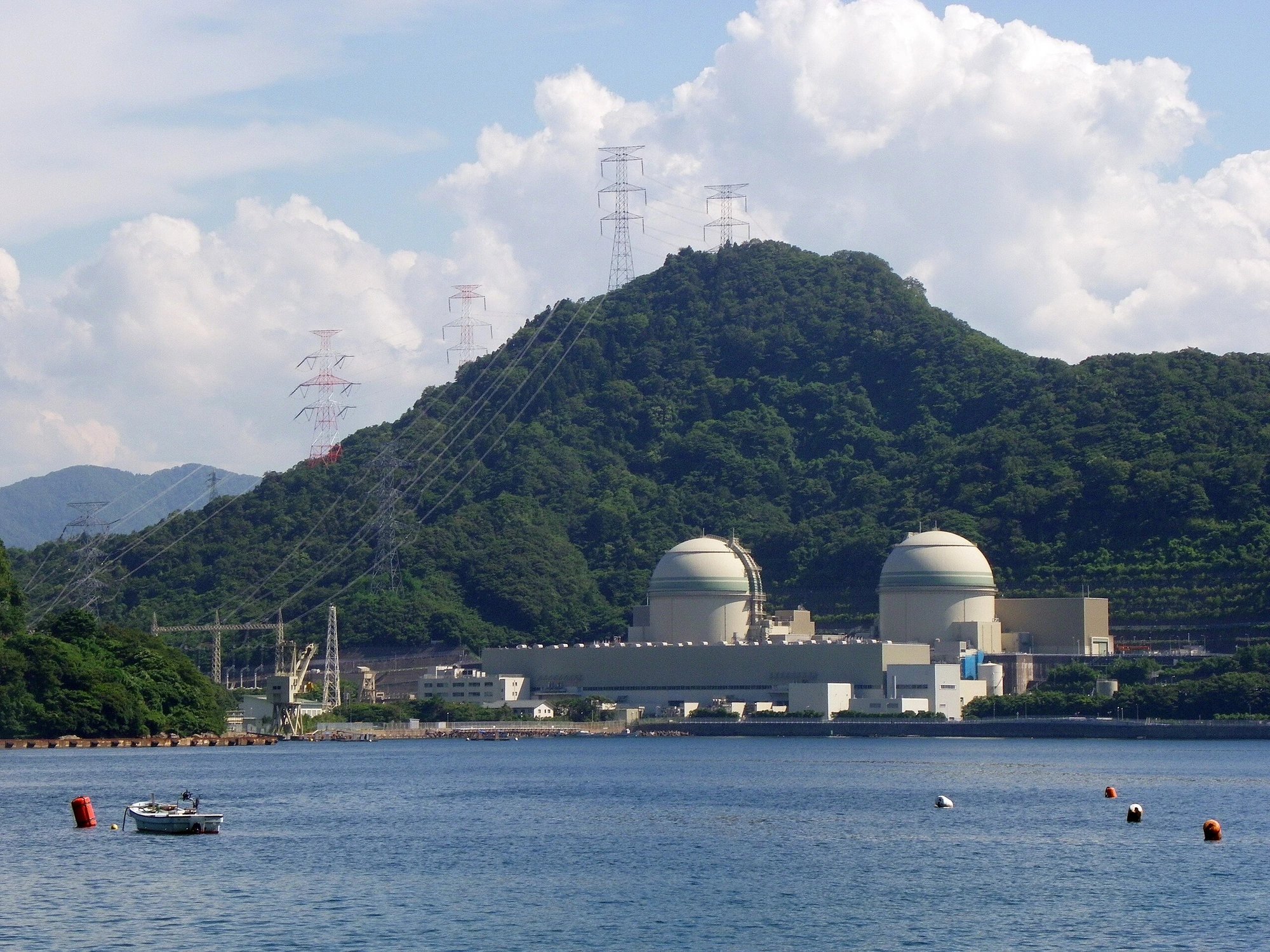
Japan and South Korea are recasting nuclear power as a pillar of national and regional security, reversing post-Fukushima shutdowns. Japan restarted Kashiwazaki-Kariwa Unit 6 in early 2026, operated by TEPCO, the company responsible for the 2011 disaster. Both countries still lack permanent spent fuel repositories, even as reactor restarts accelerate.
Key Facts
- Before 2011, nuclear power supplied roughly 30 percent of Japan's electricity.
- Japan's Seventh Strategic Energy Plan, approved in February 2025, cemented nuclear power's return as government policy.
- In early 2026, Japan restarted Unit 6 at TEPCO's Kashiwazaki-Kariwa plant, the world's largest nuclear facility by capacity.
- Japan still has no designated location for permanent nuclear waste disposal.
- New public funding for data center and semiconductor facilities in Japan, worth over a trillion yen, requires electricity entirely from renewable or nuclear sources.
Policy Reversal
After the 2011 Fukushima Daiichi accident, Japan halted all nuclear power production and public opinion turned sharply against nuclear power. Japan then depended on imported liquefied natural gas and coal for over a decade, with about 90 percent of its primary energy imported. Prime Minister Kishida Fumio's Green Transformation (GX) policy, launched in 2022, began the return to nuclear power. The GX Basic Policy, approved by the Cabinet in February 2023, committed the government to restarting reactors already cleared by regulators and to building next-generation designs. The Seventh Strategic Energy Plan, approved in February 2025 along with the GX2040 Vision, made nuclear power's return government policy rather than a temporary emergency measure.
Kashiwazaki-Kariwa Restart
In early 2026, Japan restarted Unit 6 at Tokyo Electric Power Company's Kashiwazaki-Kariwa plant, the world's largest nuclear facility by capacity. The plant is operated by TEPCO, the company directly responsible for the Fukushima Daiichi disaster. Such a restart would have been politically unthinkable a decade ago. New public funding for data center and semiconductor facilities, worth over a trillion yen, requires that the electricity used come entirely from renewable or nuclear sources.
Spent Fuel Gap
Japan's Horonobe Underground Research Laboratory tests geological disposal methods hundreds of meters below the surface. Horonobe is a research site, not a repository, and Japan still has no designated location for permanent waste disposal. That gap has not slowed the political momentum above ground. South Korea is moving along a parallel track, despite a change of government that briefly appeared to threaten the opposite. Japan and South Korea are reshaping nuclear politics in Northeast Asia increasingly in concert with Washington, as energy policy folds into trilateral security cooperation.
1 source
Time · lag behind first