
Ukraine drone strikes cut 40% of Russia refining, pushing US diesel to record $5.85
This digest was compiled by AI from multiple sources — links to the originals are below.
Ukraine's drone campaign has knocked out an estimated 40% of Russia's oil-refining capacity, removing about 3% of global diesel supply. U.S. diesel prices hit an all-time high of $5.85 per gallon on Friday, while gasoline reached $4.14, the highest ever entering Labor Day weekend. The refining crunch persists even as global attention focuses on the Strait of Hormuz.
Key Facts
- An estimated 40% of Russia's oil-refining infrastructure is offline due to Ukrainian drone strikes.
- Russia has cut off diesel exports, removing about 3% of daily global diesel supplies from markets.
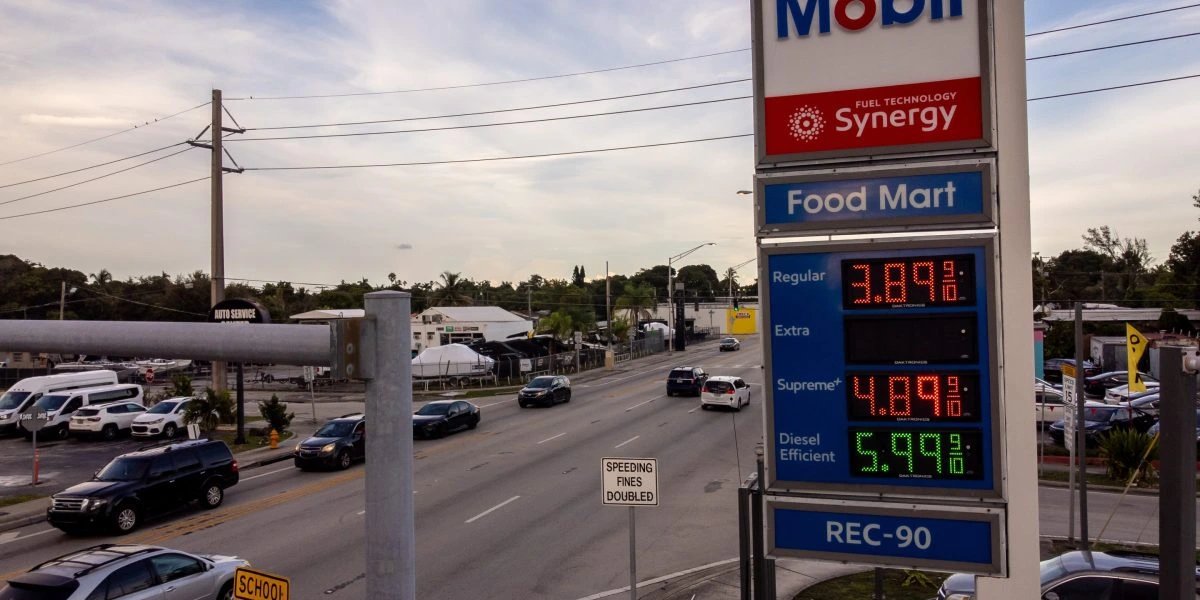
- The average U.S. diesel price reached an all-time high of $5.85 per gallon on Friday, according to GasBuddy.
- The average U.S. gasoline price of $4.14 per gallon is the highest ever entering Labor Day weekend, breaking the 2012 record.
- More than 10% of the world's global oil-refining capacity is offline across Russia, the Middle East, and China.
Refining Capacity Losses
Ukraine's long-distance drone attacks have increasingly targeted Russia's refining network, causing an estimated 40% of Russia's oil-refining infrastructure to go offline. Russia has responded by cutting off its diesel exports, which removes about 3% of daily global diesel supplies from markets. Combined with even bigger refining outages in the Middle East and China's voluntary mothballing of some facilities, more than 10% of the world's global oil-refining capacity is offline. North American refineries have helped compensate partially by maximizing their operations and raking in record profits as a result.
Record Fuel Prices
The average price of diesel fuel in the U.S. reached an all-time high of $5.85 per gallon on Friday, according to GasBuddy. The average U.S. gasoline price of $4.14 for a gallon of regular unleaded is the highest ever entering Labor Day weekend, breaking the previous 2012 record. Matt Reed, president of Foreign Reports, said the real story now is refining constraints that are keeping fuel prices high. Patrick De Haan, head of petroleum analysis at GasBuddy, said higher diesel prices increase the price of groceries, household goods, deliveries, and countless other products Americans rely on every day.
Economic Impact
The U.S. has aggressively drained its Strategic Petroleum Reserve of crude oil down to 44-year lows in order to keep oil flowing, but there is no strategic reserve of fuels. The farming and trucking industries rely heavily on diesel, hiking up the costs of food and everything we buy from groceries to other goods and services. Reed said that in 2026, the global oil market proved surprisingly resilient while the refining ecosystem is extremely fragile.
1 source
Time · lag behind first