
Uzbekistan proposes six-year general medicine bachelor's from 2027/2028
This digest was compiled by AI from multiple sources — links to the originals are below.
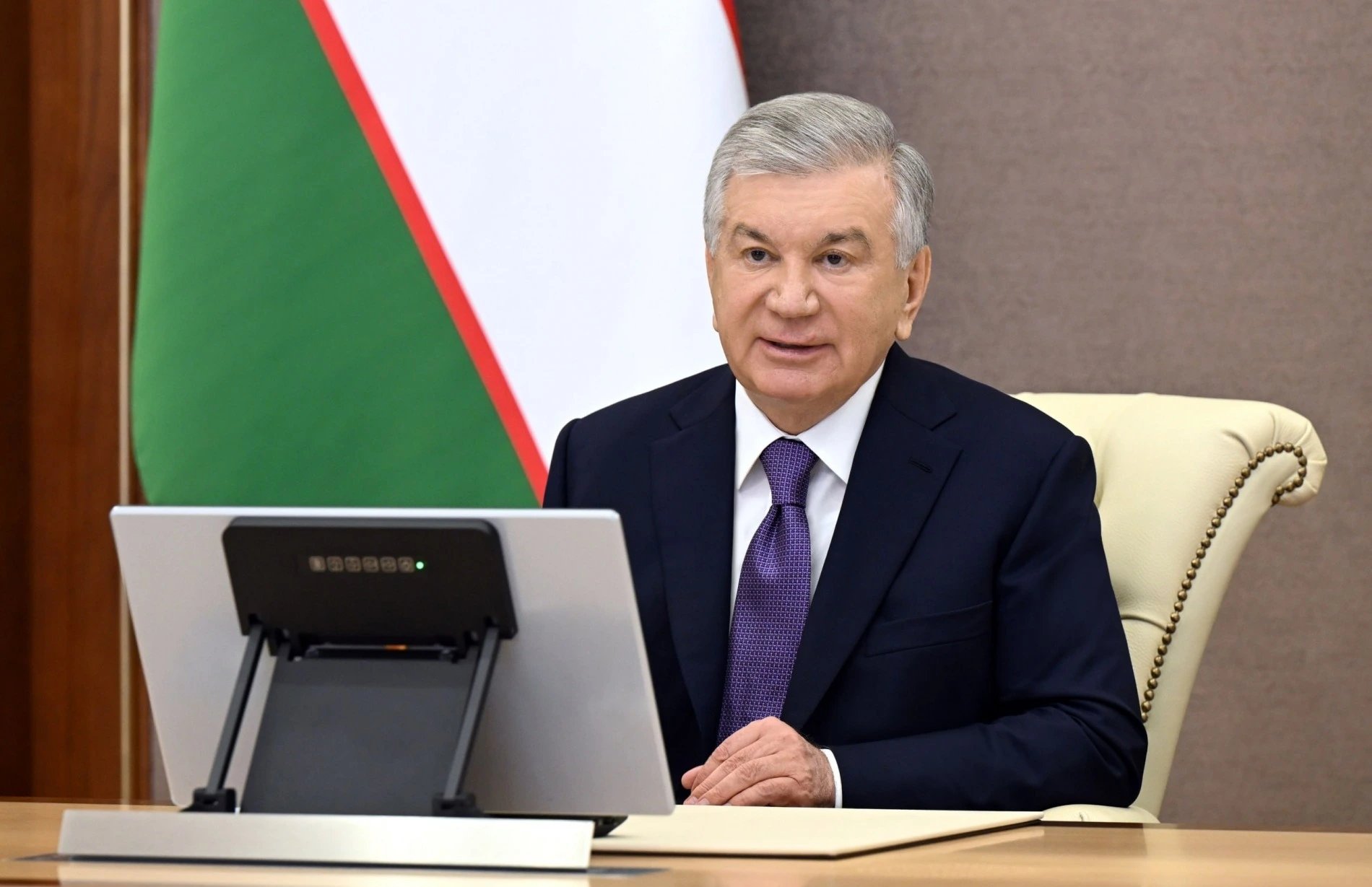
President Shavkat Mirziyoyev reviewed proposals on September 4 to reform medical and pharmaceutical education. The plan introduces a six-year 'General Medicine' bachelor's program starting in the 2027/2028 academic year, replacing the current 'Medical Practice' track. Graduates will be able to work as family doctors after a final year of practical training.
Key Facts
- The six-year 'General Medicine' bachelor's program is proposed to start in the 2027/2028 academic year.
- The proposals were developed with recommendations from Cambridge, Pennsylvania, and Harvard universities.
- Admission parameters for medical universities will be based on regional needs and staff shortages.
- Graduates of the new program will be able to work as family doctors.
Medical Education Reform
President Shavkat Mirziyoyev reviewed proposals on September 4 to improve training, registration, and continuous professional education in medicine and pharmacy. The proposals were developed with recommendations from Cambridge, Pennsylvania, and Harvard universities and involved international and local experts. Admission parameters for medical universities will now be formed based on regional needs and staff shortages. The Ministry of Health will approve state order quotas by specialty.
New Bachelor's Program
Starting from the 2027/2028 academic year, a six-year 'General Medicine' bachelor's program is proposed to replace the 'Medical Practice' track. After five years of study, students will undergo one year of full practical training. Graduates who successfully complete the program will be able to work as family doctors. Special attention will be given to training family medicine personnel.
Pharmaceutical and Nursing Education
Residents will simultaneously study and practice in family polyclinics. Training of narrow specialists will gradually move to residency, while master's programs will focus on scientific and pedagogical personnel. The role of nurses with higher education will be expanded as close assistants to doctors in diagnosis, treatment, and prevention. Pharmaceutical education will be more closely linked to production, with dual education expanded based on enterprise needs and increased practical training.
1 source
Time · lag behind first