
Mirziyoyev approves overhaul of medical and pharmaceutical training system
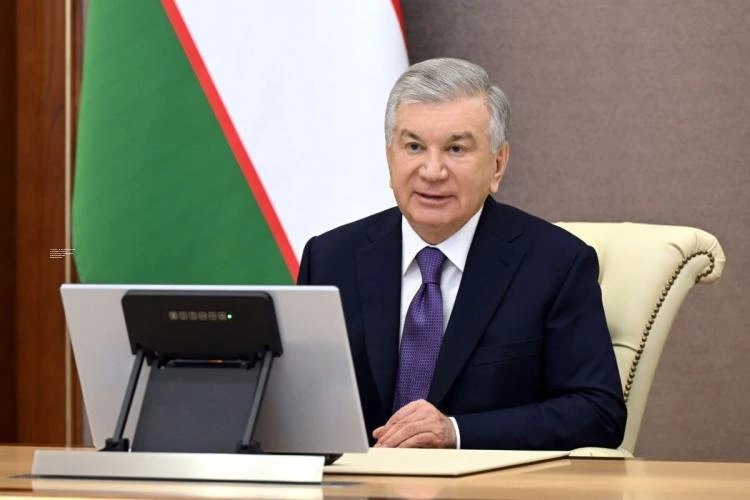
This digest was compiled by AI from multiple sources — links to the originals are below.
President Shavkat Mirziyoyev approved proposals to overhaul Uzbekistan's medical and pharmaceutical training system, including a shift to a six-year 'General Medicine' bachelor's program from the 2027/2028 academic year. The reforms also introduce a unified electronic registry of healthcare workers integrated with 16 databases. Admission quotas will be set based on regional needs and staff shortages.
Key Facts
- From the 2027/2028 academic year, a six-year 'General Medicine' bachelor's program will replace the 'Medical Business' track.
- A unified electronic registry of all medical and pharmaceutical workers will be integrated with 16 information databases.
- State registration for healthcare workers is proposed to be voluntary from 2027 and mandatory from 2030.
- Admission quotas for medical universities will be set based on regional needs and staff shortages, with the state order approved by the Ministry of Health.
- The proposals were developed with recommendations from Cambridge, Pennsylvania, and Harvard universities.
Medical Education Reform
The six-year 'General Medicine' bachelor's program will include five years of study followed by a full year of practical training. Graduates who successfully complete the program will be able to work as family physicians. Residency training for narrow specialists will be phased in, while master's programs will focus on training scientific and pedagogical personnel. The role of nurses with higher education will be enhanced in diagnostics, treatment, and prevention.
State Registration System
An independent assessment system for medical workers' knowledge and practical skills will be introduced to ensure quality and safety of services. The unified electronic registry will consolidate data on education, qualifications, and professional activity. Assessment will be conducted in stages, starting with fundamental and clinical sciences, then specialization. Specialists who fail the exam will be given an opportunity to retake it.
Pharmaceutical Education Integration
Pharmaceutical education will be more closely integrated with production through dual training based on enterprise needs. The share of practical classes will increase, involving students in drug development, quality control, and standardization.
4 sources
Time · lag behind first