
Uzbekistan to replace six-year medical program with general medicine from 2027
This digest was compiled by AI from multiple sources — links to the originals are below.
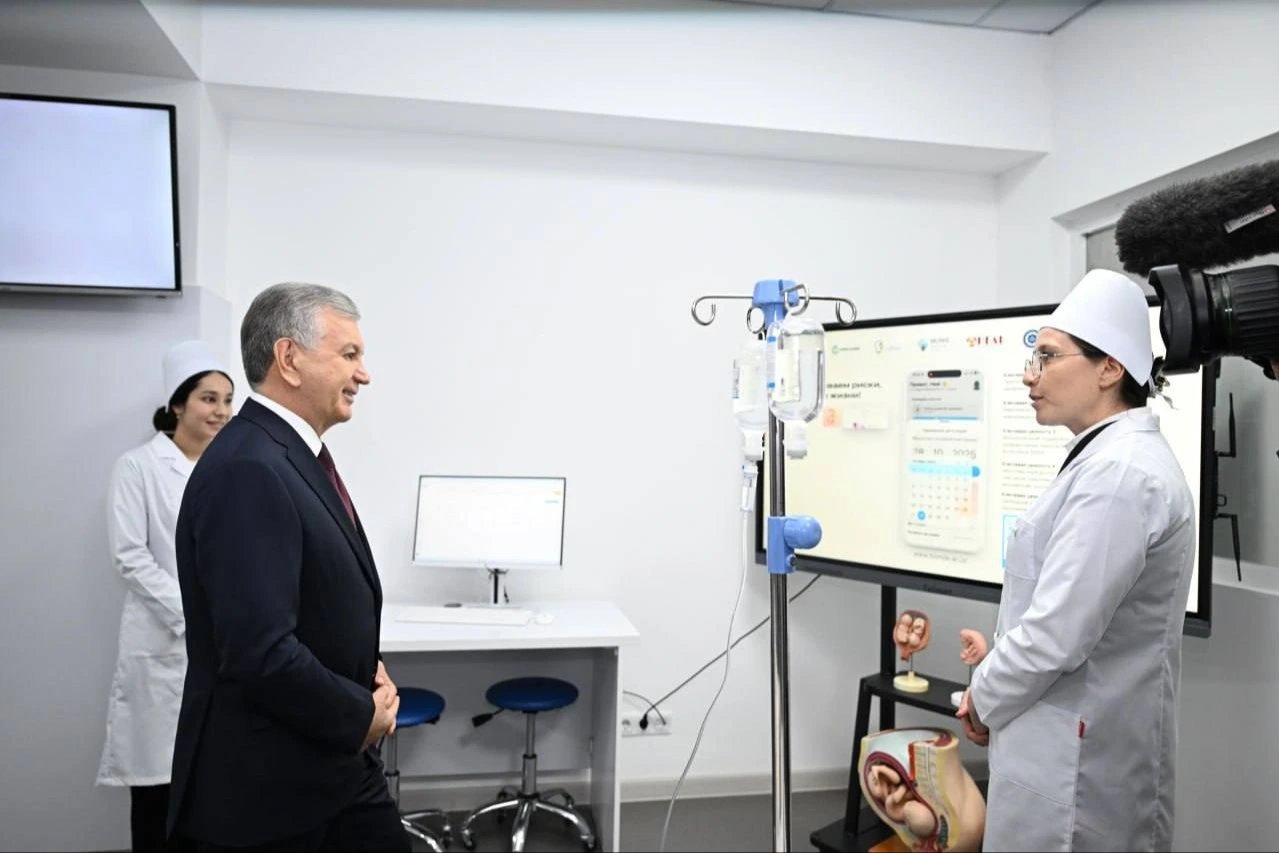
President Shavkat Mirziyoyev reviewed proposals on September 4 to reform medical and pharmaceutical education. Starting in the 2027/2028 academic year, the six-year "General Medicine" bachelor's program will replace "Medical Practice," with graduates eligible to work as family doctors. The reforms shift training toward practical skills and professional competencies, based on recommendations from Cambridge, Pennsylvania, and Harvard universities.
Key Facts
- From the 2027/2028 academic year, the "Medical Practice" track will be replaced by a six-year "General Medicine" bachelor's program.
- After five years of study, students will undergo a full year of practical training, and graduates will be able to work as family doctors.
- Admission quotas for medical universities will be formed based on the needs of regions and medical institutions, as well as specialist shortages.
- Residency training will be fully funded by state grants, with duration ranging from two to five years depending on specialty.
- The proposals were developed with recommendations from Cambridge, Pennsylvania, and Harvard universities and participation of foreign and local experts.
Curriculum Overhaul
The "Medical Practice" track will be replaced by a six-year "General Medicine" bachelor's program starting in the 2027/2028 academic year. Students will spend five years in academic study followed by a full year of practical training. Graduates will be eligible to work as family doctors immediately after completing the program. Tashkent State Medical University rector Shukhrat Boymurodov said nearly 70 percent of education will be focused on practice and assessment of professional competencies. Training will be aligned with requirements of the World Health Organization and the World Federation for Medical Education.
Residency and Nursing Reforms
Residency training will be fully funded by state grants, according to Deputy Health Minister Adkham Khudaykulov. Residency duration will range from two to five years depending on the specialty. Master's programs will be reoriented mainly toward training scientific and pedagogical personnel. The role of nurses with higher education will be expanded to assist doctors more actively in diagnosis, treatment, and prevention. Pharmaceutical education will be more closely linked with production.
1 source
Time · lag behind first