
Archaeologists uncover lost Maya city in Mexico's Campeche state
This digest was compiled by AI from multiple sources — links to the originals are below.
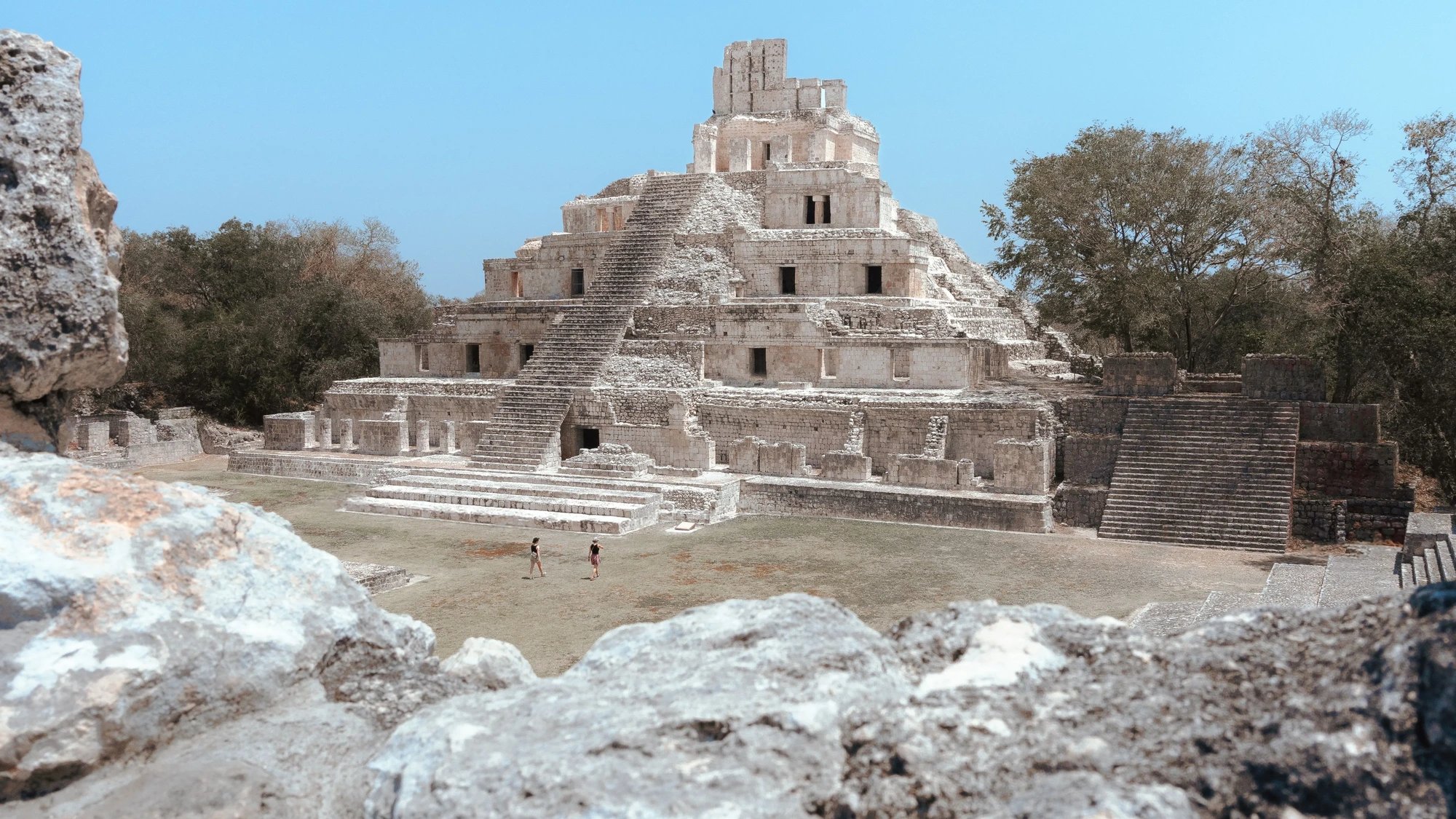
Archaeologists have discovered a previously unknown Maya city in Mexico's Campeche state, with ruins located directly beside a highway and adjacent to agricultural lands. The site includes two major monumental complexes about two kilometers apart, surrounded by dense residential and agricultural structures. Researchers estimate the city extended far beyond the surveyed area, with features including temple pyramids, a ball court, and a reservoir.
Key Facts
- The site contains two major groups of monumental structures approximately two kilometers apart, surrounded by dense construction and agricultural features.
- Researchers identified a probable architectural complex built before 150 AD, with features characteristic of a Classic Maya capital.
- The collected data includes an estimated 6,764 structures.
- The discovery was made in Mexico's Campeche state, with ruins located directly beside a highway.
The Discovery
Archaeologists in Mexico's Campeche state have uncovered a previously unknown Maya city, with ruins situated directly beside a highway and adjacent to agricultural lands. The site includes two large groups of monumental structures about two kilometers apart, surrounded by dense residential and agricultural construction. Researchers estimate the city extended far beyond the surveyed area, with enclosed plazas connected by a wide causeway, temple pyramids, a ball court, and a reservoir. The team also identified a probable architectural complex built before 150 AD, displaying features typical of a Classic Maya capital.
Scale and Significance
The collected dataset includes an estimated 6,764 structures. Researchers concluded that the central Maya lowlands contained numerous cities and densely populated regions. The findings challenge previous assumptions about the extent of Maya urbanism in the region.
1 source
Time · lag behind first