
Hanoi's Pearl Theater megaproject displaces residents with 1% compensation
This digest was compiled by AI from multiple sources — links to the originals are below.
Hanoi's $520 million Pearl Theater project has displaced Thanh and her neighbors, with compensation of 3 billion dong against a home valued at over 300 billion dong. Authorities are accelerating demolitions even as resettlement areas remain unfinished. The amended Land Law, scheduled for approval in October, is expected to legalize such practices.
Key Facts
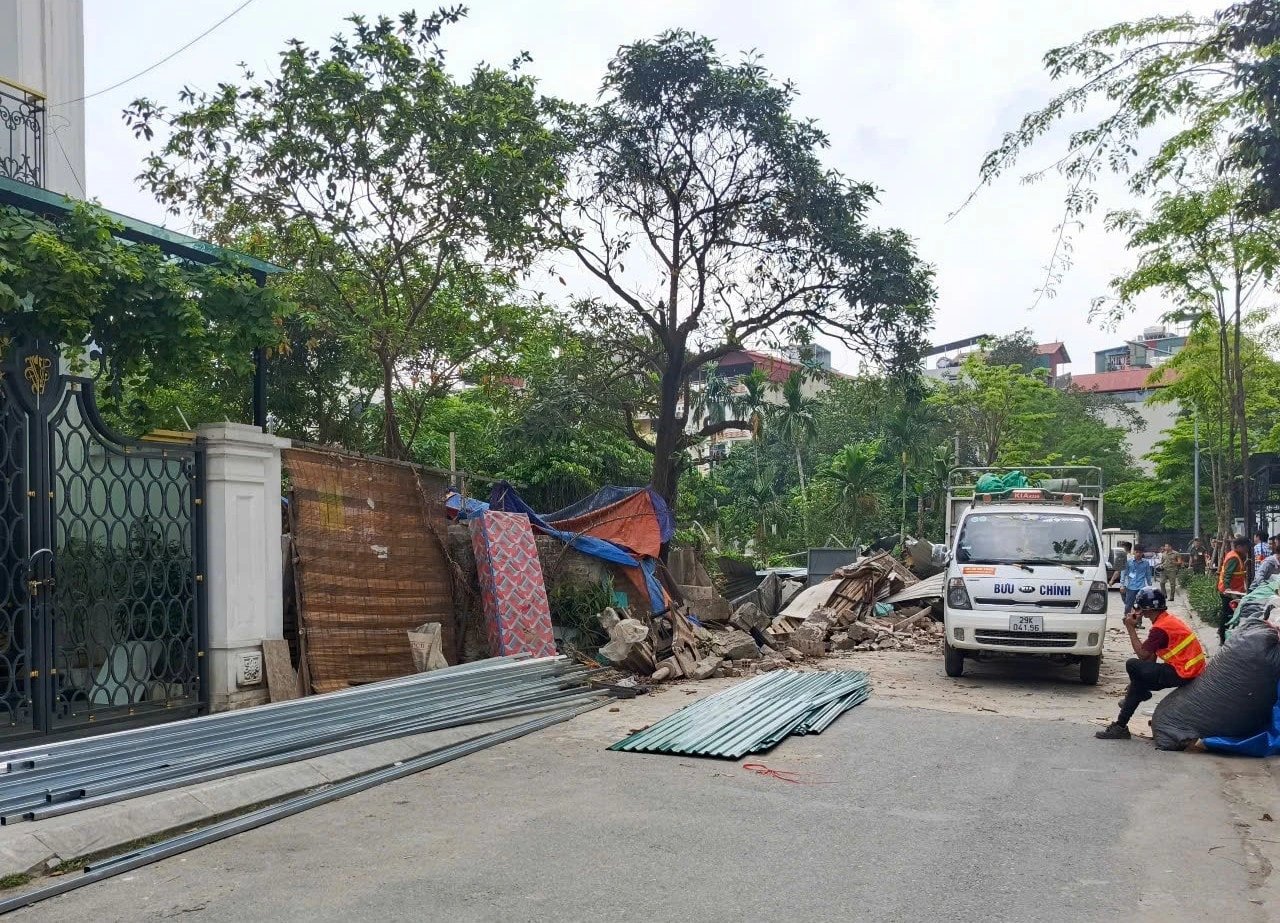
- Thanh's 230-square-meter house near West Lake, completed in 2020 and valued at over 300 billion dong ($11.5 million), was demolished at the end of August.
- She received 3 billion dong in compensation, about 1% of the home's estimated value, plus a monthly allowance barely covering modest rent.
- The Pearl Theater project covers 40,980 square meters, can accommodate 2,000 people, and is slated for completion by 2030.
- Hanoi's 100-year master plan is poised to displace 860,000 people, more than 10% of the capital's population.
- The amended Land Law is scheduled for approval in October after an extraordinary National Assembly session in August.
The Pearl Theater Project
The $520 million Pearl Theater megaproject in Hanoi covers a total floor area of 40,980 square meters and can potentially accommodate 2,000 people. Construction of the theater displaced Thanh's entire neighborhood near West Lake. Thanh, 68, spent recent weeks inviting friends and family to her two-story house for what may be their last visit before its demolition at the end of August. The project is slated for completion by 2030.
Compensation and Displacement
Thanh's 230-square-meter house, completed in 2020, was valued at over 300 billion Vietnamese dong (around $11.5 million) in the current market. She received 3 billion dong in compensation, just 1% of the home's estimated value, plus a monthly allowance barely enough for modest rent. Thanh and her neighbors spent considerable time and money petitioning local authorities and paying unofficial fees to expedite bureaucratic processes, but these efforts yielded no concessions. Authorities designated resettlement areas, but they remain far from ready for occupancy, leaving Thanh scrambling for months to secure alternative housing for her family of seven. Thanh refuses to join protests or air discontent online, saying, "Nowadays, between a victim and a criminal lies only a fragile line."
Legal Framework and Wider Impact
Hanoi's 100-year multibillion-dollar master plan is poised to displace 860,000 people, more than 10% of the capital's population. Thanh said she and her neighbors were never consulted during planning and were coerced to leave their homes without access to resettlement areas and with inadequate compensation. Authorities are forcibly accelerating displacement even as resettlement infrastructure remains unfinished. On July 28, the National Assembly's Standing Committee announced an extraordinary session in August to deliberate on several draft laws, including the amended Land Law scheduled for approval in October.
1 source
Time · lag behind first