
Pakistan Army's dominance reflects constitutional militarism, not hybrid rule
This digest was compiled by AI from multiple sources — links to the originals are below.
Dr. Ayesha Siddiqa argues that Pakistan is not a hybrid regime but a case of constitutional militarism, sanctioned by a parliament that has legislated away its own relevance. She examines the Pakistan Army's role in governance, its influence over domestic politics and the economy, and its conduct of foreign policy from Ayub Khan to Asim Munir.
Key Facts
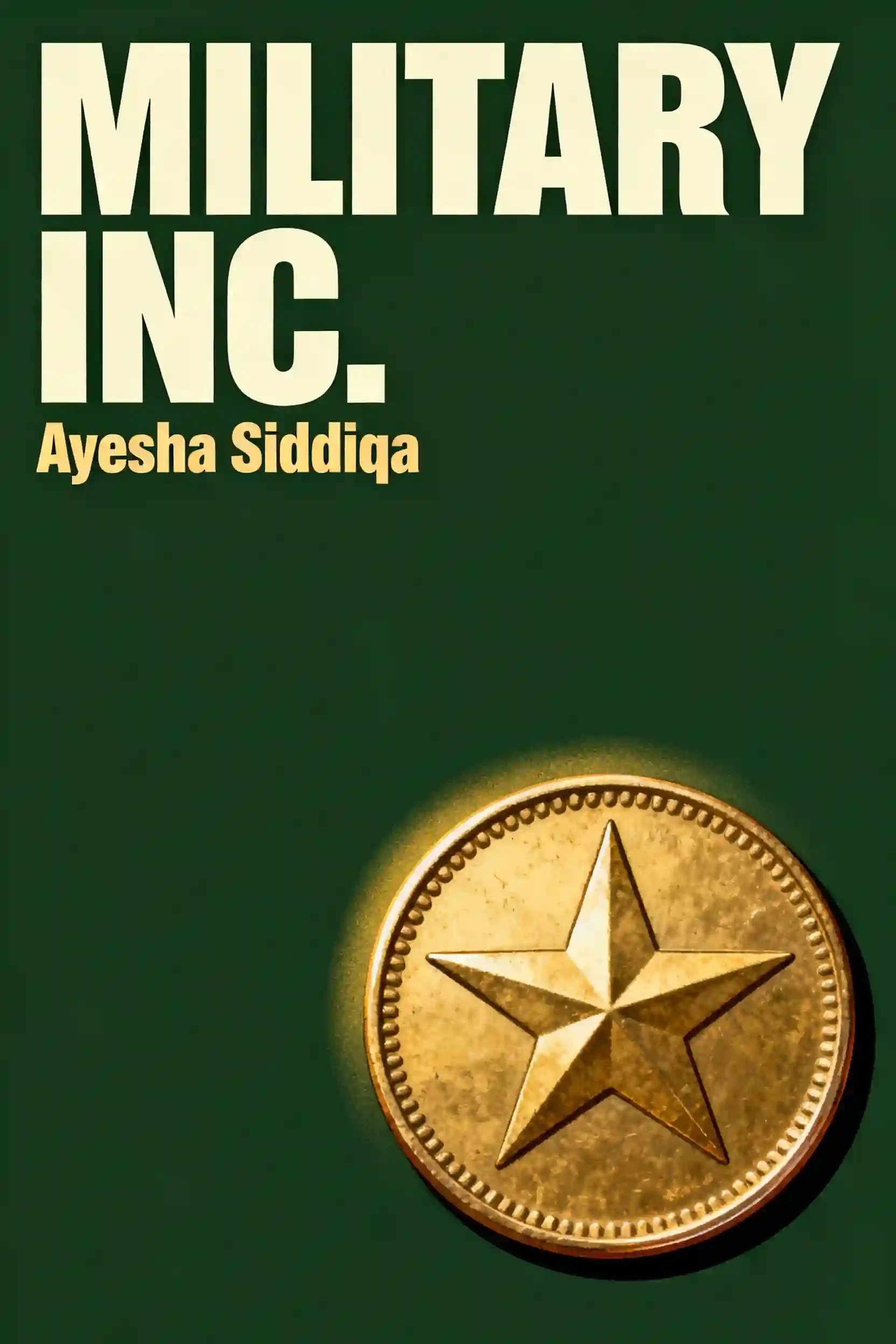
- Dr. Ayesha Siddiqa is a senior fellow in the Department of War Studies at King’s College London and author of “Military Inc.”
- Siddiqa argues that Pakistan is a case of constitutional militarism, not a hybrid regime.
- The discussion covers the military’s dominance since 1947, its influence on politics and the economy, and its foreign policy from Ayub Khan to Asim Munir.
- The podcast episode also addresses the insurgencies in Balochistan and Khyber Pakhtunkhwa.
Constitutional Militarism
Siddiqa argues that Pakistan is not a hybrid regime but a case of constitutional militarism, sanctioned by a parliament that has legislated away its own relevance. She examines the origins of the military’s dominance in the years after 1947. The discussion includes the army’s influence over domestic politics and the economy.
Foreign Policy and Insurgencies
Siddiqa discusses the army’s conduct of foreign policy from Ayub Khan to Asim Munir. She also addresses the army’s handling of the insurgencies in Balochistan and Khyber Pakhtunkhwa. The podcast is hosted by Tushar Shetty and is part of The Diplomat’s Beyond the Indus series.
1 source
Time · lag behind first