
Pakistan's parliament codifies Chief of Defence Forces powers in new law
This digest was compiled by AI from multiple sources — links to the originals are below.
Pakistan's parliament passed the Defence Forces of Pakistan Act, 2026, on August 20, codifying the powers of the Chief of Defence Forces. The legislation abolishes the post of Chairman of the Joint Chiefs of Staff Committee, created in 1976. The changes mark the most significant restructuring of Pakistan's higher military command in five decades.
Key Facts
- The National Assembly approved the Defence Forces of Pakistan Act, 2026, and an amendment to the National Command Authority Act, 2010, on August 20.
- The post of Chairman of the Joint Chiefs of Staff Committee, created in 1976, has been abolished.
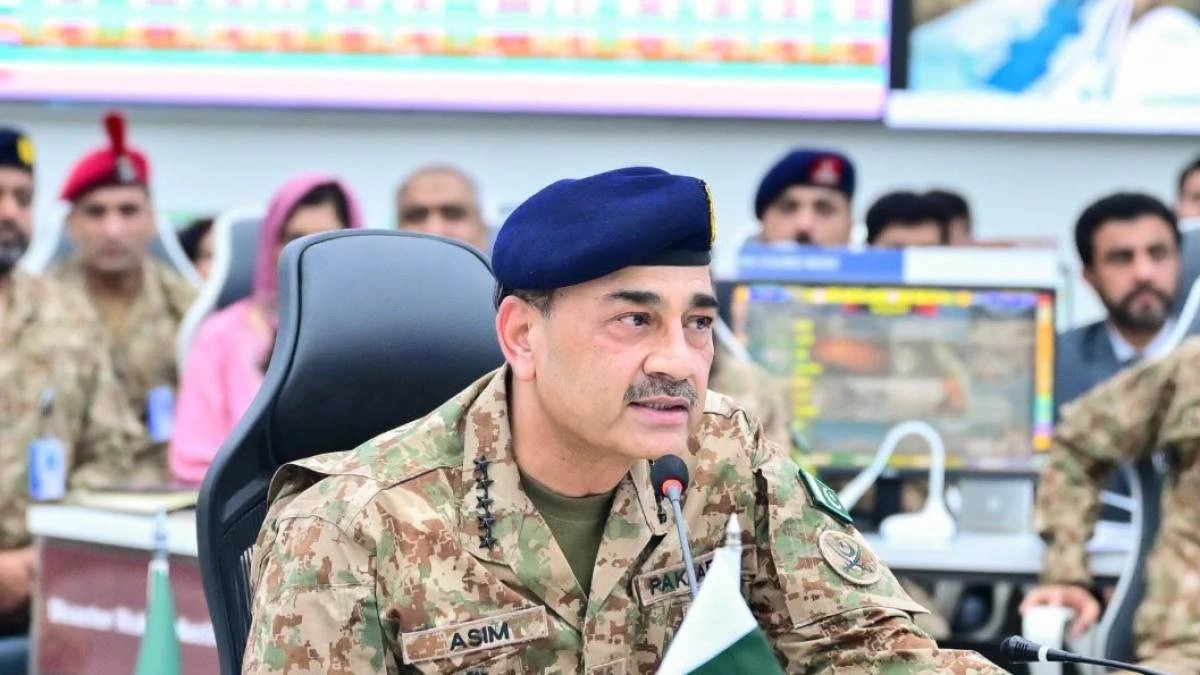
- Field Marshal Asim Munir currently serves as both Chief of Defence Forces and army chief.
- The bills were not on the National Assembly's original agenda; the cabinet cleared them that morning and they passed within hours.
Legislative Overhaul
Pakistan's parliament in late August passed legislation that spells out in statute the powers of the country's most senior military office. The National Assembly on August 20 approved the Defence Forces of Pakistan Act, 2026, and an amendment to the National Command Authority Act, 2010. Together, the two laws give legal shape to the office of the Chief of Defence Forces, created through the 27th constitutional amendment last November. The bills were not on the National Assembly's original agenda; the cabinet cleared them that morning, and they passed within hours.
Command Structure Changes
The post of Chairman of the Joint Chiefs of Staff Committee, created in 1976 to coordinate between the army, navy and air force, has been abolished. In its place is a Defence Forces Headquarters headed by the Chief of Defence Forces, currently Field Marshal Asim Munir, who also serves as army chief. The CJCSC was designed as a coordinator, not a commander, with no authority to act on the navy or air force. The new law changes that by formalising a degree of authority the army chief has often held informally.
1 source
Time · lag behind first