
Kazakhstan raises National Fund transfers by 5 trillion tenge for infrastructure
This digest was compiled by AI from multiple sources — links to the originals are below.
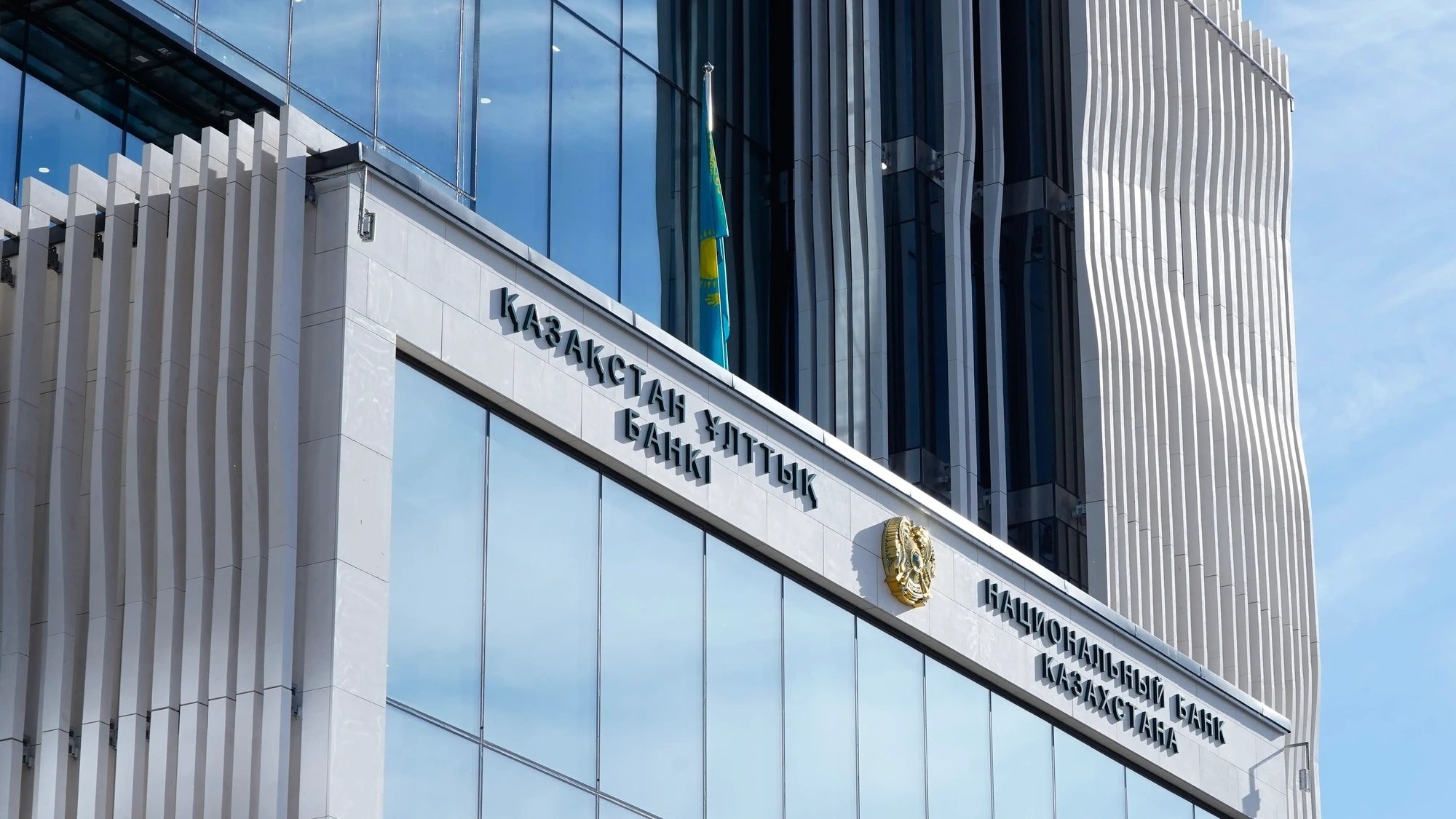
Kazakhstan's government on August 25, 2026 increased National Fund withdrawals by 5 trillion tenge in targeted transfers. The funds will finance social, utility, energy and transport infrastructure projects. The National Bank said the transfers will be executed in tenge, including via conversion of foreign-currency assets on KASE.
Key Facts
- The government increased National Fund withdrawals by 5 trillion tenge in targeted transfers on August 25, 2026.
- The funds are earmarked for social, utility, energy and transport infrastructure projects.
- The National Bank said targeted transfers do not imply separate targeted sales of foreign-currency assets.
- The National Bank called for clear project priorities and control over targeted and efficient use of funds, including via digital tenge mechanisms.
Transfer Increase
At a government meeting on August 25, 2026, the volume of funds withdrawn from the National Fund was revised upward by 5 trillion tenge in the form of targeted transfers. Previously, the 2026-2027 budget had provided for withdrawals only within guaranteed transfers. The additional funds are intended to finance social, utility, energy and transport infrastructure facilities.
National Bank Position
The National Bank stated that providing a targeted transfer does not in itself imply a separate targeted sale of the National Fund's foreign assets. Operations with the fund's assets must be carried out within the current portfolio management strategy, taking into account requirements for profitability, liquidity, diversification and market conditions. The National Bank emphasized the need to clearly define project priorities by sector and region to ensure maximum socio-economic return. It also said the funds should create added value within the country and contribute to additional tax revenues in the regions, with control over targeted and efficient use, including through digital tenge mechanisms.
1 source
Time · lag behind first