
Tokayev approves 5 trillion tenge National Fund allocation for social infrastructure
This digest was compiled by AI from multiple sources — links to the originals are below.
Kazakh President Kassym-Jomart Tokayev announced plans to allocate an additional 5 trillion tenge from the National Fund over the next three years for strategic projects with long-term socio-economic impact. The funds will focus on social infrastructure such as schools, hospitals, and clinics. The announcement was made at the opening of the first session of the Kurultai.
Key Facts
- Kazakhstan plans to allocate an additional 5 trillion tenge from the National Fund over the next three years for strategic projects.
- The funding will prioritize social infrastructure, including schools, hospitals, and clinics.
- The national project 'Kelešek mektepteri' received 1.5 trillion tenge, almost entirely from the National Fund.
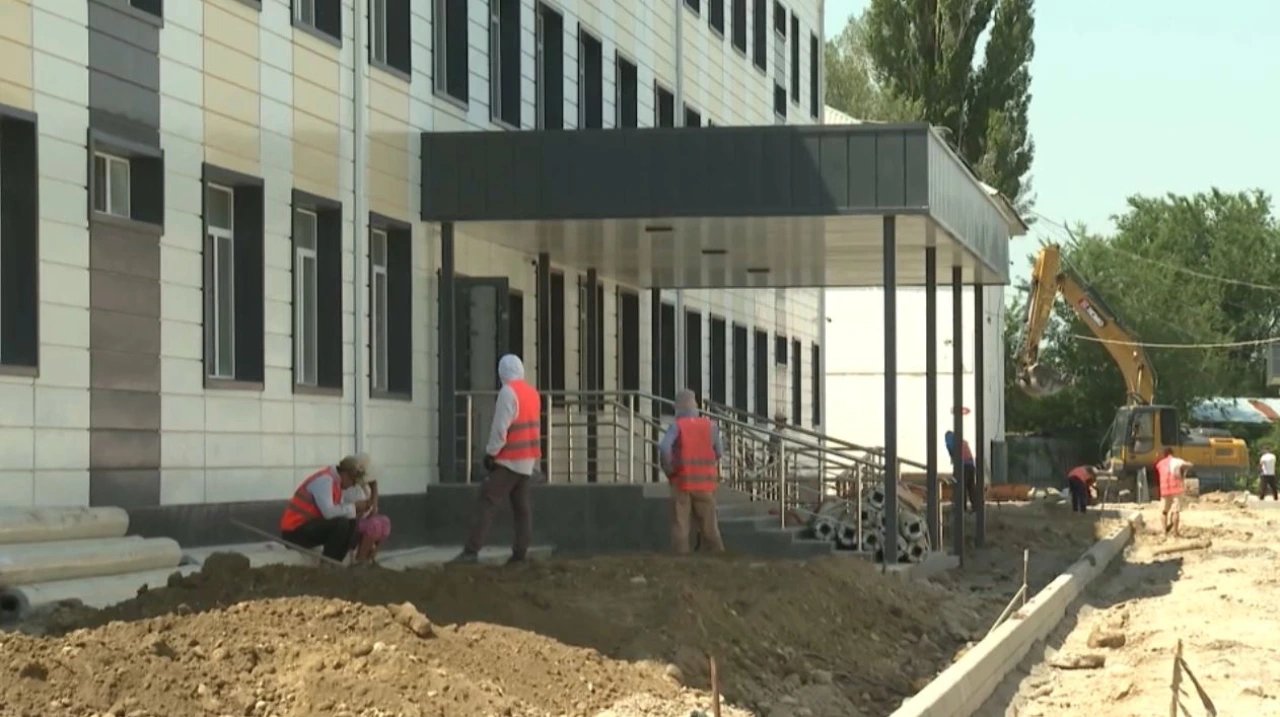
- A new polyclinic in Beskol, North Kazakhstan Region, will serve 250 visits per shift, replacing an overcrowded facility built in 2004.
Funding Allocation
President Kassym-Jomart Tokayev announced the increased allocation at the opening of the first session of the Kurultai. The government plans to direct National Fund resources toward projects with long-term socio-economic benefits, moving beyond existing mechanisms for future generations. Tokayev emphasized that the funds must not be spent aimlessly, stating, 'There can be no talk of wasteful spending of these funds.'
Social Infrastructure Projects
The national project 'Kelešek mektepteri' has already received 1.5 trillion tenge, with nearly all funding sourced from the National Fund. In Beskol village, North Kazakhstan Region, a new polyclinic with a capacity of 250 visits per shift is under construction. The existing polyclinic, built in 2004, serves over 40,000 residents of Kyzylzhar district and operates in two shifts due to overcrowding. Acting director Smail Satin noted that the new facility will allow most appointments to be scheduled in a single shift.
Expert Perspective
Financier Rasul Rysmanbetov said the large-scale investment will help reduce the social infrastructure deficit but requires precise planning.
1 source
Time · lag behind first