
DRC reopens schools as Ebola outbreak surpasses 6,000 cases
This digest was compiled by AI from multiple sources — links to the originals are below.
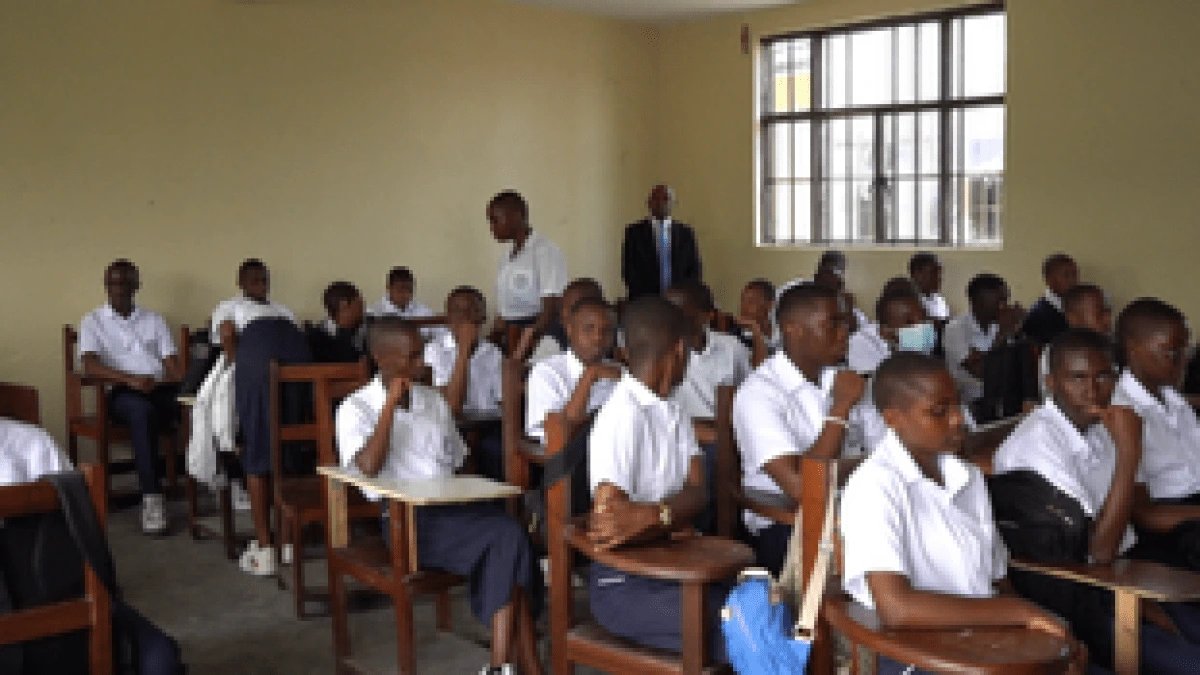
Children across the Democratic Republic of the Congo returned to school on Tuesday as the country battles its largest Ebola outbreak on record. Government figures showed 6,041 confirmed cases and 2,911 deaths as of August 31. Parents in Ituri province questioned the reopening, demanding protective measures.
Key Facts
- The DRC has recorded 6,041 confirmed Ebola cases and 2,911 deaths as of August 31, surpassing the 2018–2020 outbreak.
- Ituri province remains the epicentre with 4,802 confirmed cases as of August 26.
- The outbreak is caused by the Bundibugyo virus, for which there is no approved vaccine or treatment.
- In high-risk areas, pupils will study from home using printed materials and radio programmes, according to the Ministry of Education.
- Education Minister Raissa Malu said 40 of 138 educational subdivisions in Ebola-affected provinces were affected, with 18 classified as high risk.
Outbreak Scale
The current outbreak has surpassed the previous worst Ebola outbreak in the DRC, which ran from 2018 to 2020. Six of the country's 26 provinces are affected. Ituri, in the northeast, has recorded 4,802 confirmed cases as of August 26.
Parental Concerns
In Bunia, Ituri's provincial capital, parents are questioning whether schools should reopen while the outbreak continues to spread. Dieudonne Lotsima, a father of three, said he is concerned about the reopening and asked what measures the government will put in place to protect children. Lotsima believes classes should be postponed until a vaccine specifically effective against the Bundibugyo virus becomes available.
Government Response
Rather than impose a nationwide closure, the government is using different arrangements according to the level of Ebola risk. In the highest-risk areas, pupils will study from home using printed materials and radio programmes, according to the Ministry of Education. Workbooks and learning sheets covering essential parts of the curriculum will be distributed, while local and community radio stations will broadcast programmes to accompany them. Families without radios may also be provided with them.
1 source
Time · lag behind first