
Ebola reaches two new DRC zones; 60 areas now affected
This digest was compiled by AI from multiple sources — links to the originals are below.
Ebola has spread to two new health zones in eastern Democratic Republic of the Congo, bringing the total to 60 affected areas, according to government figures released Friday. The outbreak has recorded 5,794 confirmed cases and 2,786 deaths, with a fatality rate of 48 percent overall. The new zones, Biena and Manguredjipa in North Kivu province, have a much higher fatality rate partly due to delayed response efforts.
Key Facts
- The outbreak has recorded 5,794 confirmed cases and 2,786 deaths, according to the Ministry of Health.
- The two new affected zones are Biena and Manguredjipa in North Kivu province.
- Beni has recorded 122 confirmed cases and 87 deaths since the outbreak began in mid-May, with a fatality rate of close to 69 percent.
- MSF opened a new treatment centre in Beni on Friday and currently has 1,400 staff in DRC supporting the response.
- There is no approved vaccine or treatment for the Bundibugyo strain of Ebola causing this outbreak.
Spread and Toll
The outbreak has reached two new health zones, Biena and Manguredjipa, in North Kivu province, bringing the total to 60 affected areas. The Ministry of Health reported 5,794 confirmed cases and 2,786 deaths as of Friday. The fatality rate in the new zones is much higher than the overall 48 percent, partly due to delayed response efforts. The outbreak is spreading faster than efforts to track and slow it, and is on track to surpass the 2014–2016 West Africa epidemic that killed more than 11,000 people.
Response Challenges
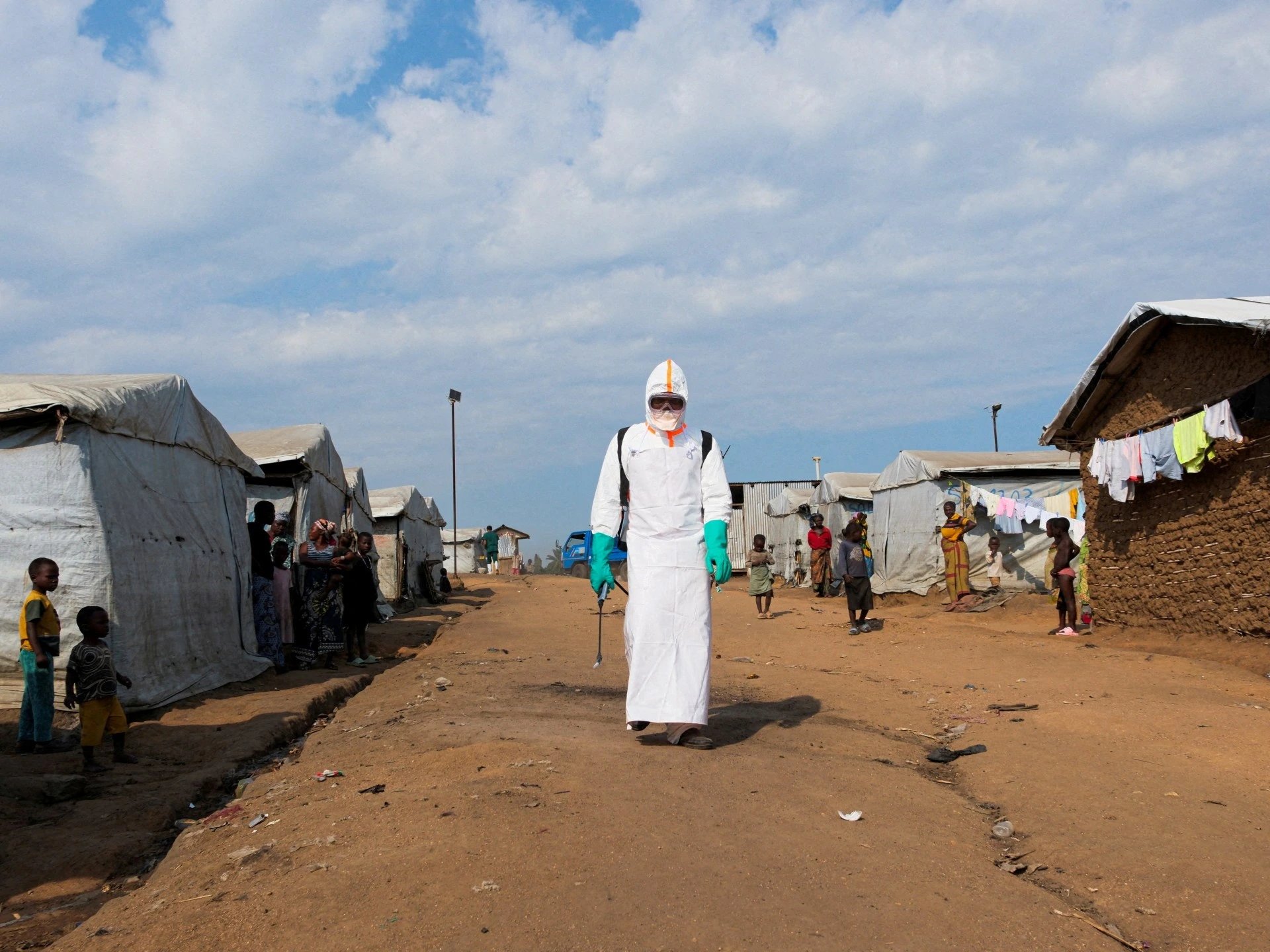
Armed conflict, displacement, attacks on medical personnel and facilities, a mobile working population, and lack of critical infrastructure have hampered containment efforts. MSF opened a new treatment centre in Beni, one of the hardest-hit areas, on Friday. Beni has recorded 122 confirmed cases and 87 deaths since mid-May, with a fatality rate close to 69 percent. A shortage of bed capacity is one factor hampering the response, according to aid workers. MSF currently has 1,400 staff in DRC and operates treatment centres with a total of 400 beds.
Strain and Treatment
The outbreak is caused by the Bundibugyo strain of Ebola, which is rarer than the virus type behind most past outbreaks. There is no approved vaccine or treatment for this strain, so relief workers rely on contact tracing and isolating patients. MSF emergency coordinator Albert Stern said early diagnosis and treatment significantly increase survival chances and reduce transmission risk.
1 source
Time · lag behind first