
DR Congo Ebola outbreak spreads to two new health zones, WHO says
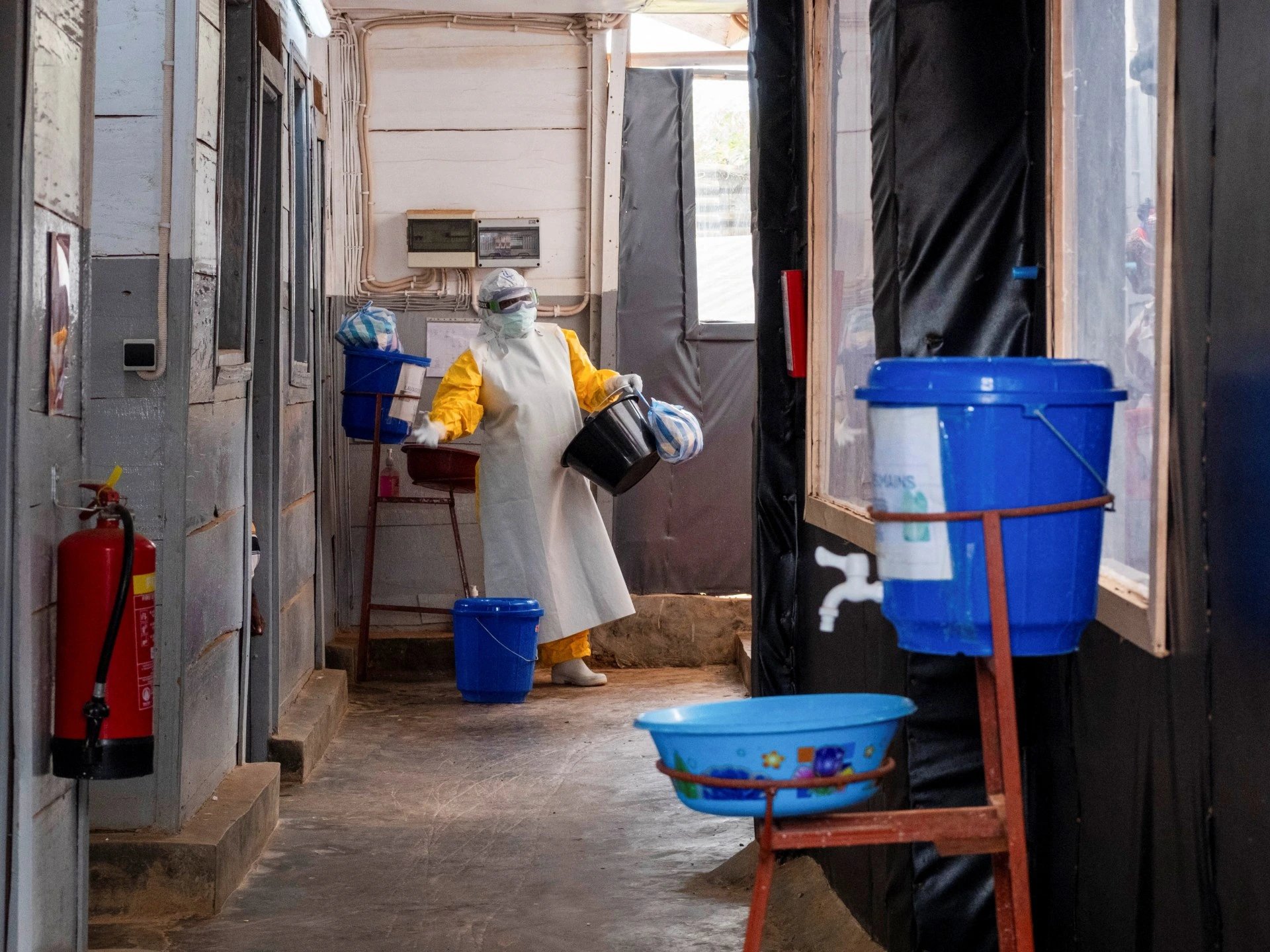
This digest was compiled by AI from multiple sources — links to the originals are below.
The Ebola outbreak in the Democratic Republic of the Congo has spread to two new health zones, bringing the total to 63 across seven provinces, the World Health Organization said on Friday. The new cases were found in Bulu in South Ubangi and Dungu in Haut-Uele, near the borders with the Central African Republic and South Sudan. The outbreak has caused 7,890 confirmed cases and 3,799 deaths as of September 23, with a case fatality rate of 48 percent.
Key Facts
- The Ebola outbreak has spread to two new health zones, Bulu in South Ubangi and Dungu in Haut-Uele, bringing the total to 63 zones across seven provinces.
- As of September 23, the DRC has reported 7,890 confirmed cases and 3,799 deaths, a case fatality rate of 48 percent.
- Ituri province remains the epicentre with 6,032 confirmed cases since May, including 868 new cases in the last 21 days.
- North Kivu is the second most affected province with 1,480 new cases, including 567 in the last 21 days, and a fatality rate of nearly 60 percent.
- Only 30,000 contacts are currently listed, far below the estimated 420,000 needed for effective tracing, according to Africa CDC Director-General Jean Kaseya.
Spread to New Zones
The Ebola virus caused by the Bundibugyo strain has spread to two new health zones in the Democratic Republic of the Congo, according to the World Health Organization. New cases were found in Bulu in South Ubangi governorate on the border with the Central African Republic and Dungu in Haut-Uele province on the border with South Sudan. The additional cases bring the number of health zones affected to 63 across seven provinces as authorities struggle to control the outbreak.
Response Challenges
WHO Director-General Tedros Adhanom Ghebreyesus said conflict and population displacement were making it more difficult for health workers to reach affected communities and trace people who may have been exposed to the virus. The Bundibugyo strain is difficult to treat because there are no approved vaccines, Tedros said, adding that the WHO is accelerating clinical trials of vaccines and treatments. Health workers looking for people who may have been exposed to the Bundibugyo strain are falling short of their targets. According to Dr Jean Kaseya, the director-general of the Africa Centres for Disease Control and Prevention, the more than 7,000 confirmed cases should translate to about 420,000 contacts, but currently only 30,000 people are on the contact list.
Provincial Impact
Ituri province in northeastern DRC continues to be the epicentre of the outbreak, accounting for 6,032 confirmed cases since the start of the epidemic in May, including 868 new confirmed cases reported in the last 21 days. North Kivu is the second most affected province, with 1,480 new cases, including 567 reported in the last 21 days. The province now accounts for around a third of newly confirmed cases and deaths, the WHO said in a report on Sunday. Nearly 60 percent of people diagnosed in North Kivu died, significantly higher than the national average of 48 percent, the data show. Medical staff say patients are avoiding health facilities until it is too late.
1 source
Time · lag behind first