
Venezuelan crude access won't quickly cut U.S. gasoline prices
This digest was compiled by AI from multiple sources — links to the originals are below.
The U.S. has secured majority control over Venezuelan oil fields holding more than 65 billion barrels, but the impact on gasoline prices will depend on production capacity and refinery constraints. Venezuela currently produces about 1.25 million bpd, while new projects target above 1.5 million bpd. U.S. refinery utilization hit 97.4% in late August, limiting immediate price relief.
Key Facts
- The U.S. agreement covers Venezuelan fields with more than 65 billion barrels of oil.
- Venezuela currently produces roughly 1.25 million bpd, while new projects target above 1.5 million bpd.
- U.S. imports from Venezuela averaged 637,000 bpd over four weeks through Aug. 21, reaching 662,000 bpd in the latest week.
- U.S. refinery utilization reached 97.4% in the week ending Aug. 21, the highest in nearly eight years.
Production Constraints
Venezuela's current output of roughly 1.25 million bpd falls short of the new projects' target above 1.5 million bpd. Rystad says substantially higher production will require more drilling, extensive workovers, improved infrastructure, reliable access to diluents, and significantly more drilling rigs. Rystad expects heavy and extra-heavy crude and bitumen to account for roughly three-quarters of Venezuelan production through 2028. The Orinoco Belt is responsible for about 60% of total output.
Refining Capacity Limits
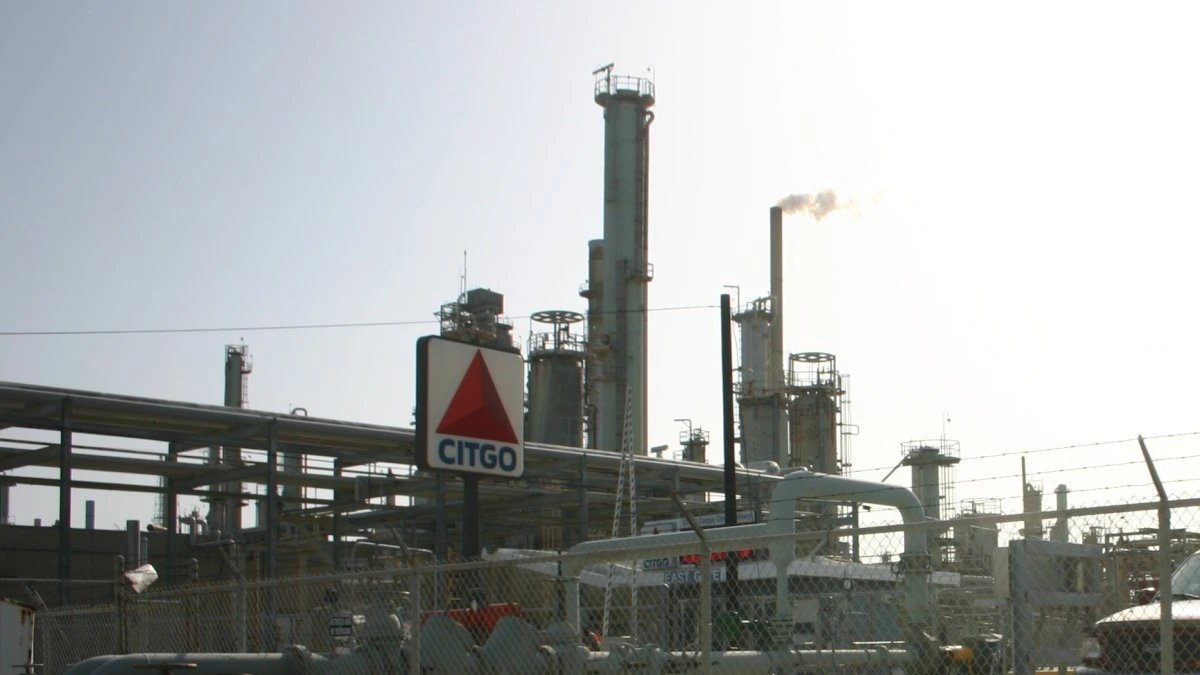
U.S. refinery utilization reached 97.4% in the week ending Aug. 21, the highest in nearly eight years, with crude inputs at about 17.4 million bpd. Gulf Coast refineries built to process heavy, high-sulfur crude from Venezuela, Mexico, and Canada rely on delayed cokers to convert residual material into gasoline and diesel. Venezuelan Merey supplies both crude and much of the heavy material needed to keep that equipment working. Higher Venezuelan production would give Gulf Coast refiners a growing source of heavy feedstock, increasing competition with Canadian and other heavy grades.
2 sources
Time · lag behind first