
U.S. strikes on Iran push Venezuela oil back into spotlight
This digest was compiled by AI from multiple sources — links to the originals are below.
The U.S. restarted major strikes on Iran this week, hitting missile, radar, and other military installations along the southern coast and on Larak Island. Iran retaliated against U.S. positions across the Gulf and Jordan, and continued attacking commercial shipping, with two supertankers carrying Saudi crude struck near Hormuz and two sailors killed aboard a Saudi-owned vessel. Chevron is putting more than $7 billion into Venezuela over the next five years in a major bet that Trump’s overhaul of the country’s oil sector will hold.
Key Facts
- The U.S. restarted major strikes on Iran this week, hitting missile, radar, and other military installations along the southern coast and on Larak Island.
- Two supertankers carrying Saudi crude were struck near Hormuz, and two sailors were killed aboard a Saudi-owned vessel.
- More than 70 attacks on shipping have been recorded since the war began, with maritime insurers facing roughly $2 billion in war-risk claims.
- Chevron plans to invest more than $7 billion in Venezuela over the next five years and more than double its Venezuelan production to around 600,000 barrels per day.
- Hormuz war-risk premiums have risen to as much as 40–60 times prewar levels, adding roughly $7–$8 to the cost of a barrel, according to Lloyd’s List.
Military Escalation
The U.S. restarted major strikes on Iran this week, hitting missile, radar, and other military installations along the southern coast and on Larak Island. Iran retaliated against U.S. positions across the Gulf and Jordan, and also continued attacking commercial shipping. A strike hit a wedding in southern Iran, killing five people and injuring dozens, which Vice President Vance says is now being investigated. Vance said Thursday the U.S. will not negotiate while Iran continues attacking commercial shipping.
Shipping and Insurance Costs
More than 70 attacks on shipping have been recorded since the war began. Maritime insurers now face roughly $2 billion in war-risk claims. Hormuz war-risk premiums have risen to as much as 40–60 times prewar levels. Lloyd’s List estimates insurance alone is adding roughly $7–$8 to the cost of a barrel.
Venezuela Investment
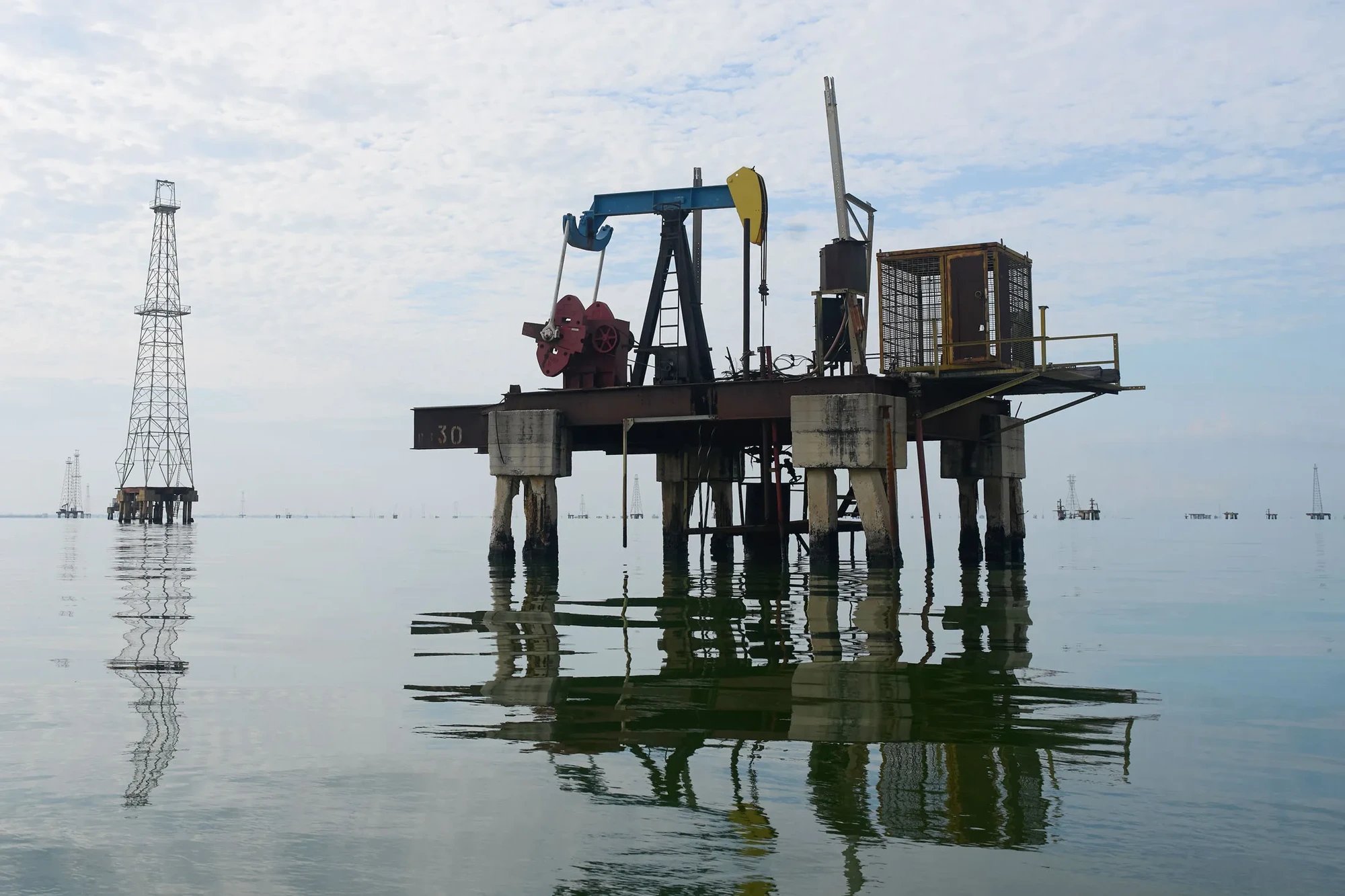
Chevron is putting more than $7 billion into Venezuela over the next five years. The company plans to more than double its Venezuelan production to around 600,000 barrels per day. U.S.-backed NABEP (North American Blue Energy Partners) has secured majority control of a company holding Venezuelan oil assets.
1 source
Time · lag behind first