
Tunisia marks five years of Saied rule amid water, power and price grievances
This digest was compiled by AI from multiple sources — links to the originals are below.
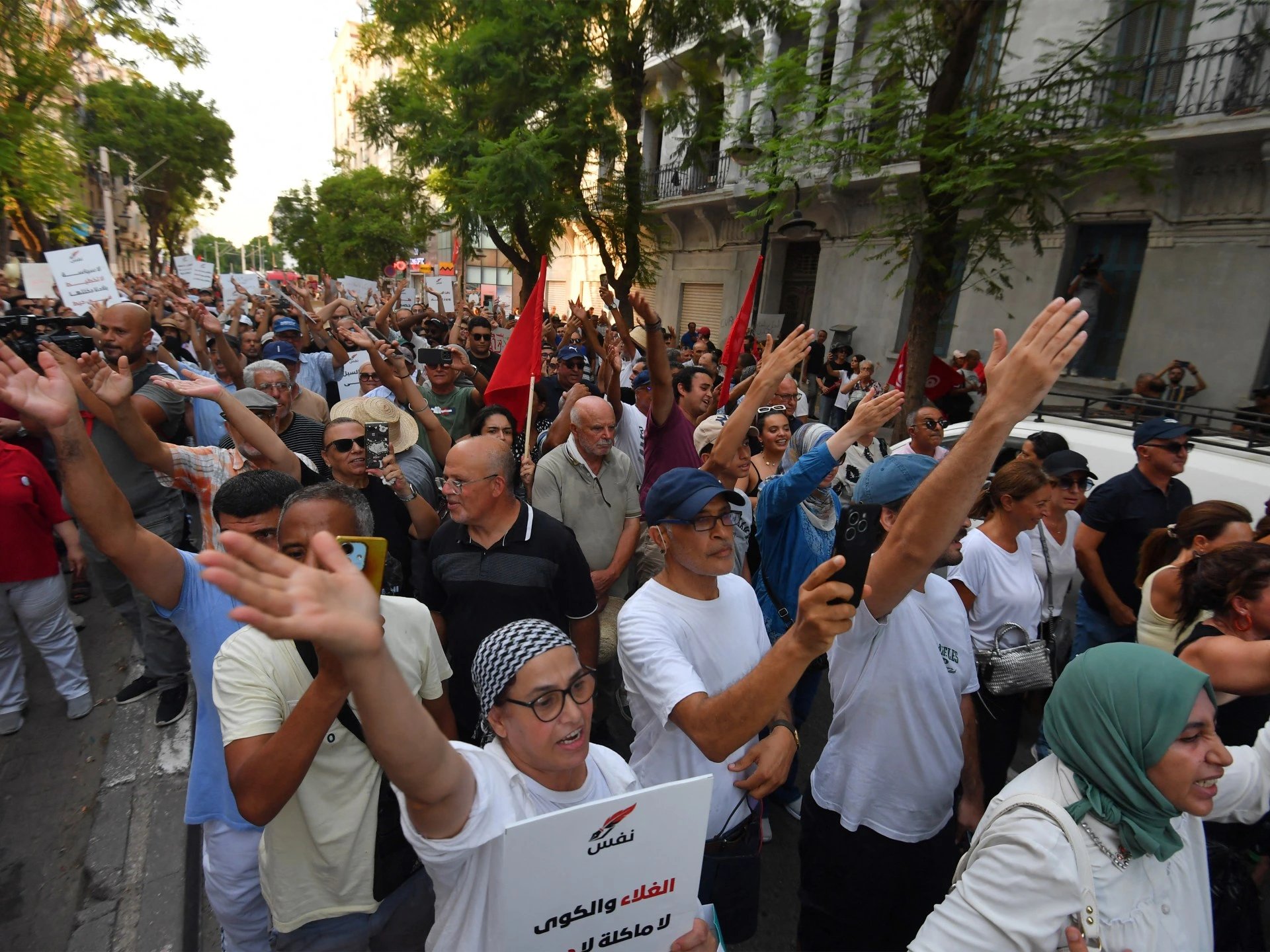
Tunisians are voicing grievances over water cuts, power outages, rising prices and medicine shortages five years after President Kais Saied suspended parliament and began ruling by decree. The discontent echoes the 2011 revolution slogan of employment, freedom and national dignity, but unfolds in a sharply narrowed political space. Saied's July 25, 2021 power grab was initially welcomed by many frustrated with political paralysis, yet economic pressures and crackdowns on dissent have since deepened.
Key Facts
- Unemployment in Tunisia stood at 17.4 percent at the end of 2020, according to the World Bank.
- President Kais Saied suspended parliament, dismissed Prime Minister Hichem Mechichi and lifted parliamentary immunity on July 25, 2021.
- A new constitution adopted in 2022 significantly strengthened presidential powers.
- Human Rights Watch has described the 'conspiracy case' as part of a broader crackdown on dissent.
Economic Grievances
Water cuts, electricity outages, rising prices and medicine shortages are fuelling anger across social and economic divides in Tunisia. The 2011 revolution slogan of 'employment, freedom and national dignity' is being heard again on the streets from north to south. Unemployment remained high, particularly among young people and in the country's interior, with the World Bank recording 17.4 percent at the end of 2020. Public services remained weak while rising prices continued to put pressure on household incomes.
Political Crackdown
Since Saied dissolved parliament and oversaw the adoption of a new constitution in 2022, opposition figures, journalists, lawyers and activists have been jailed or prosecuted. Rights groups describe these cases as politically motivated, and civil society has faced increasing restrictions. Human Rights Watch has described the 'conspiracy case' as part of a broader crackdown on dissent. Critics have said institutional checks on presidential power have been weakened.
1 source
Time · lag behind first