
Kais Saied's economic experiment leaves Tunisia in collapse
This digest was compiled by AI from multiple sources — links to the originals are below.
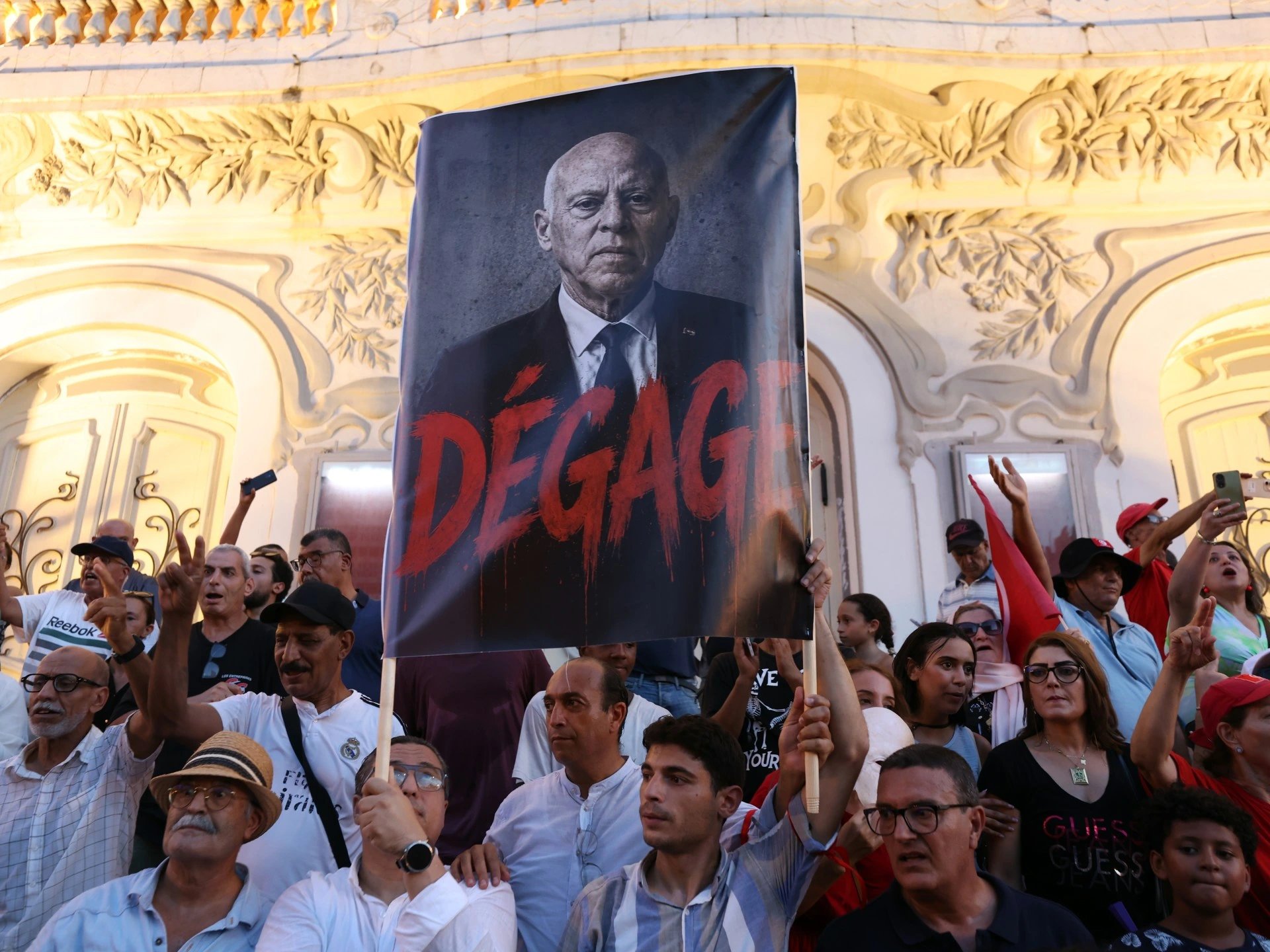
Tunisia's economy has deteriorated sharply under President Kais Saied, with persistent electricity and water cuts, a collapsed health system, and purchasing power at its lowest levels. The state can no longer perform basic functions, and citizens struggle to obtain basic foodstuffs. The decline follows a decade of post-revolution political transition that failed to deliver fair and sustainable growth.
Key Facts
- Tunisia's economy grew at an average of 4 percent annually in the decade before the 2011 revolution, but that rate fell by half between 2011 and 2021.
- By summer 2026, Tunisians face persistent electricity and water cuts, a collapsed health system unable to provide basic care and essential medicines, and purchasing power at its lowest levels.
- Before 2021, Tunisia had not reached the point where the state could no longer perform its basic functions or the economy's fundamental balances were severely disrupted.
- The January 14, 2011 revolution was sparked by protests in Sidi Bouzid following the mistreatment of a street vendor by municipal police and his subsequent suicide.
Pre-Revolution Economy
Before the 2011 revolution, Tunisia maintained a cohesive administration and an open economy that kept its main macroeconomic balances to some extent. The economy achieved steady growth averaging 4 percent annually during the decade before the revolution. However, regional and social disparities in wealth and opportunities created a growing sense of injustice among large sections of the population. Public and individual freedoms were restricted, clientelism was widespread, and development was unequal and unbalanced.
Post-Revolution Decline
The revolution brought political pluralism, freedom of expression, and democratic institutions, but the political transition was not accompanied by an economic one. Governments, coalitions, and policies changed without putting the economy on a path towards fair and sustainable growth. Economic indicators deteriorated, public-finance imbalances worsened, and creating wealth and jobs became increasingly difficult. The growth rate fell by half between 2011 and 2021 compared to the pre-revolution decade.
Current Collapse
By summer 2026, Tunisia is experiencing persistent electricity and water cuts, a collapsed health system, and purchasing power at its lowest levels. Citizens are barely able to obtain basic foodstuffs, and the state can no longer perform its basic functions. The economy's fundamental balances are now severely disrupted, a situation not seen before 2021.
1 source
Time · lag behind first