
Kepler's four-year stare at 150,000 Cygnus stars enabled exoplanet transit detection
This digest was compiled by AI from multiple sources — links to the originals are below.
NASA's Kepler spacecraft, launched in March 2009, stared unblinkingly at 150,000 stars in the Cygnus-Lyra region for four years to detect exoplanet transits. The mission's precision photometry required continuous observation to catch the 84 parts-per-million dimming of an Earth-sized planet. Reaction wheel failures in 2012 and 2013 ended the primary mission, but the collected data remained a lasting scientific resource.
Key Facts
- Kepler launched in March 2009 with a 95-megapixel camera and a meter-class mirror.
- The spacecraft monitored approximately 150,000 preselected stars in a single patch of sky between Cygnus and Lyra.
- An Earth-sized planet transiting a Sun-like star causes a dimming of 84 parts per million, lasting about half a day once a year.
- Reaction wheel two failed in July 2012 and wheel four in May 2013, ending the primary mission.
- NASA retired Kepler in October 2018 after the K2 extended mission ran out of fuel.
The Unbroken Stare
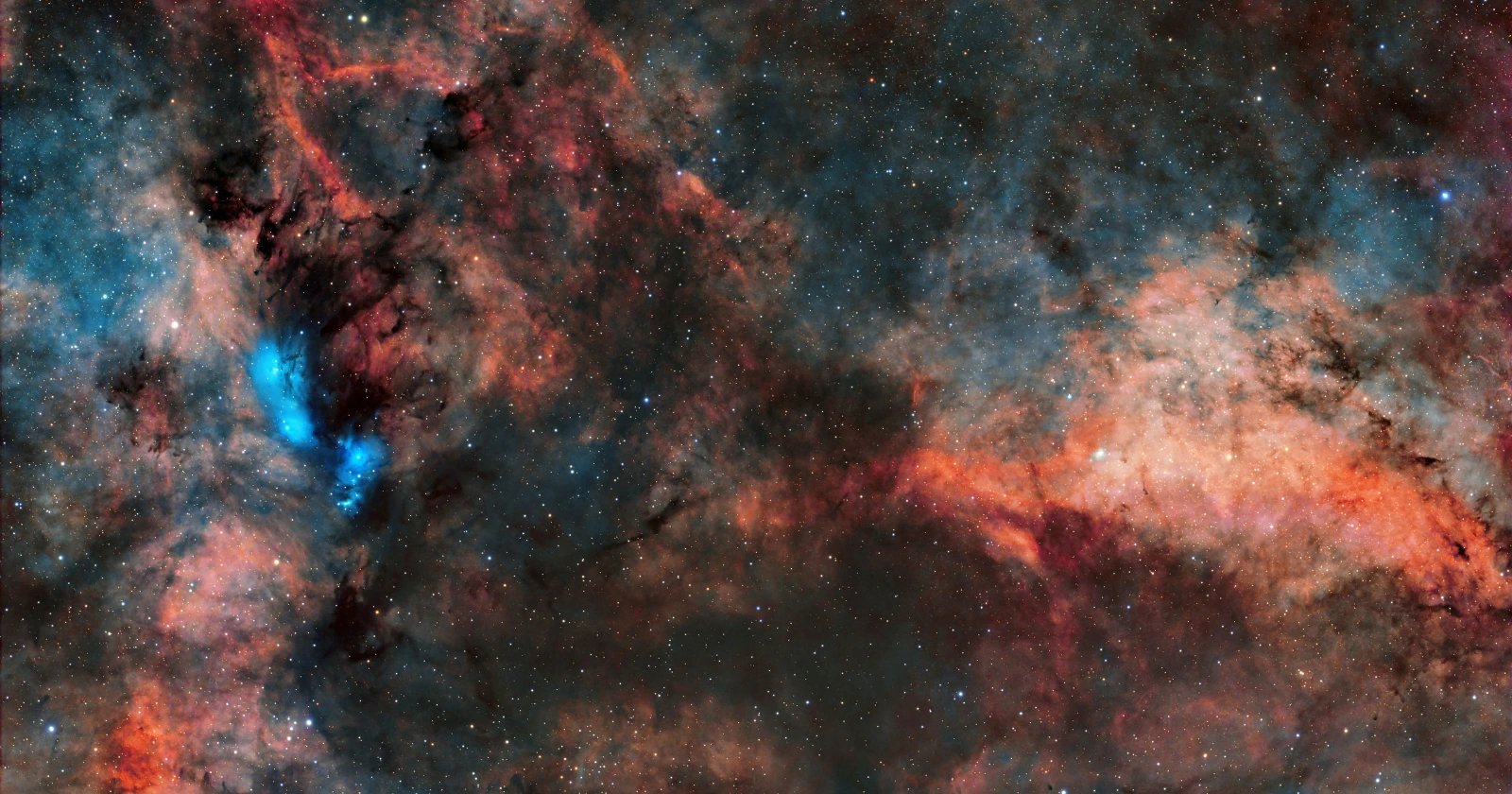
Kepler was designed to stare at one patch of sky without looking away, unlike previous telescopes built to survey. The spacecraft carried a single instrument: a 95-megapixel camera behind a meter-class mirror. Mission planners preselected roughly 150,000 stars in a field about the size of an open hand at arm's length between Cygnus and Lyra. Kepler measured the brightness of every one of those stars every half hour for years, hunting for the faintest imaginable flicker.
Transit Detection Arithmetic
A transit occurs when a planet crosses the face of its star, causing a periodic dimming. A Jupiter-sized planet crossing a Sun-like star dims it by about one percent, detectable from a good mountaintop. An Earth-sized planet crossing a Sun-like star dims it by 84 parts per million, less than one-hundredth of one percent. Detecting such a transit is compared to noticing a flea crawling across a car's headlight from miles away. Confirming a true Earth analogue requires catching three or four transits, meaning three or four years of continuous vigil on the same stars.
Reaction Wheel Failures
Kepler maintained its precise pointing using four reaction wheels, gyroscopic flywheels that steady the spacecraft without thruster fuel. The spacecraft needed three working reaction wheels at once to hold its target. Wheel two failed in July 2012, and wheel four failed in May 2013. After the second failure, the telescope could no longer hold 150,000 stars motionless on its detector, ending the primary mission. Engineers later improvised the K2 mission, balancing the crippled spacecraft against sunlight pressure to survey new fields in shorter campaigns. NASA retired Kepler in October 2018 after the fuel ran out.
1 source
Time · lag behind first