NASA's Roman Space Telescope to launch Sunday from Kennedy Space Center
This digest was compiled by AI from multiple sources — links to the originals are below.
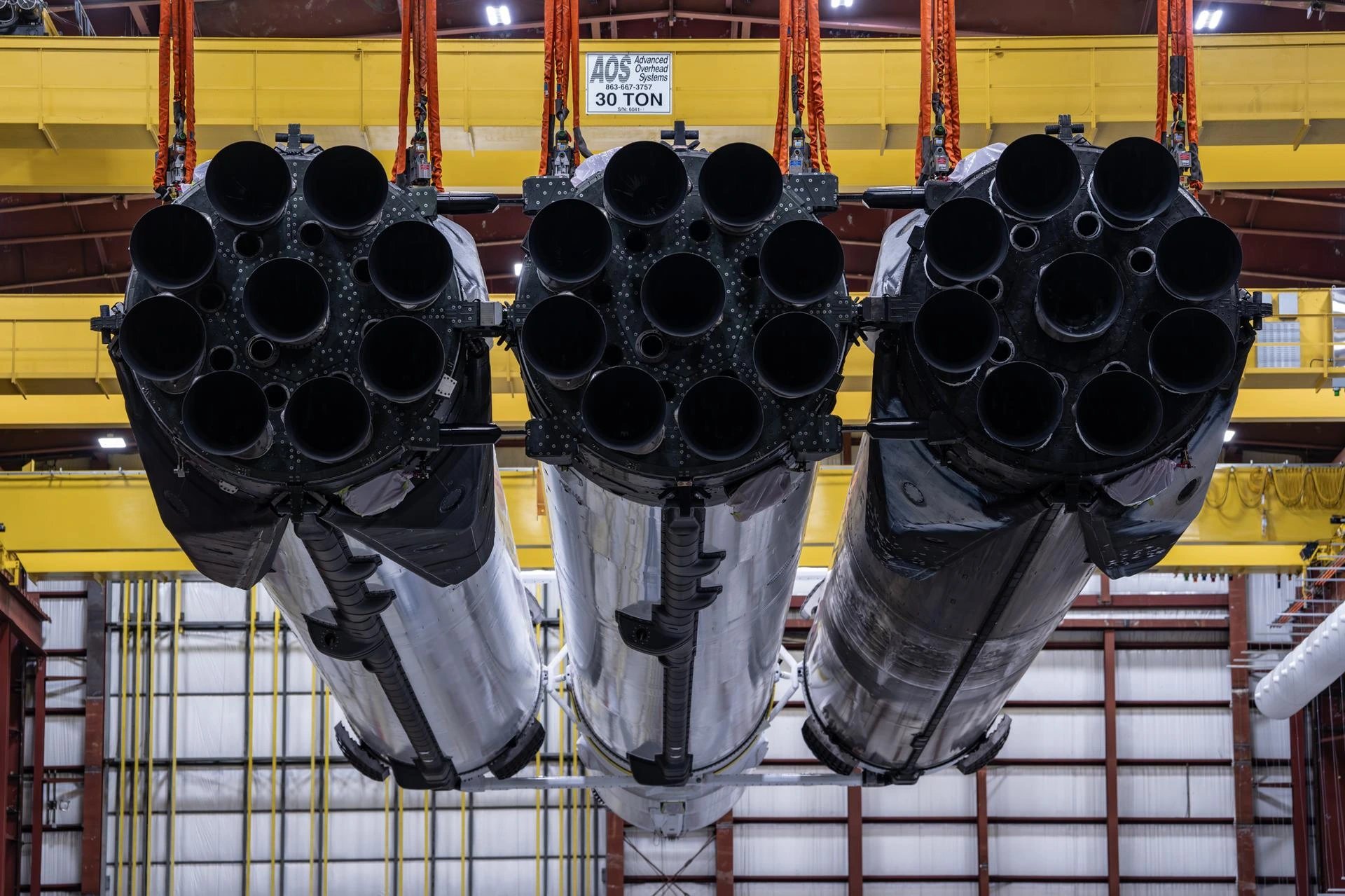
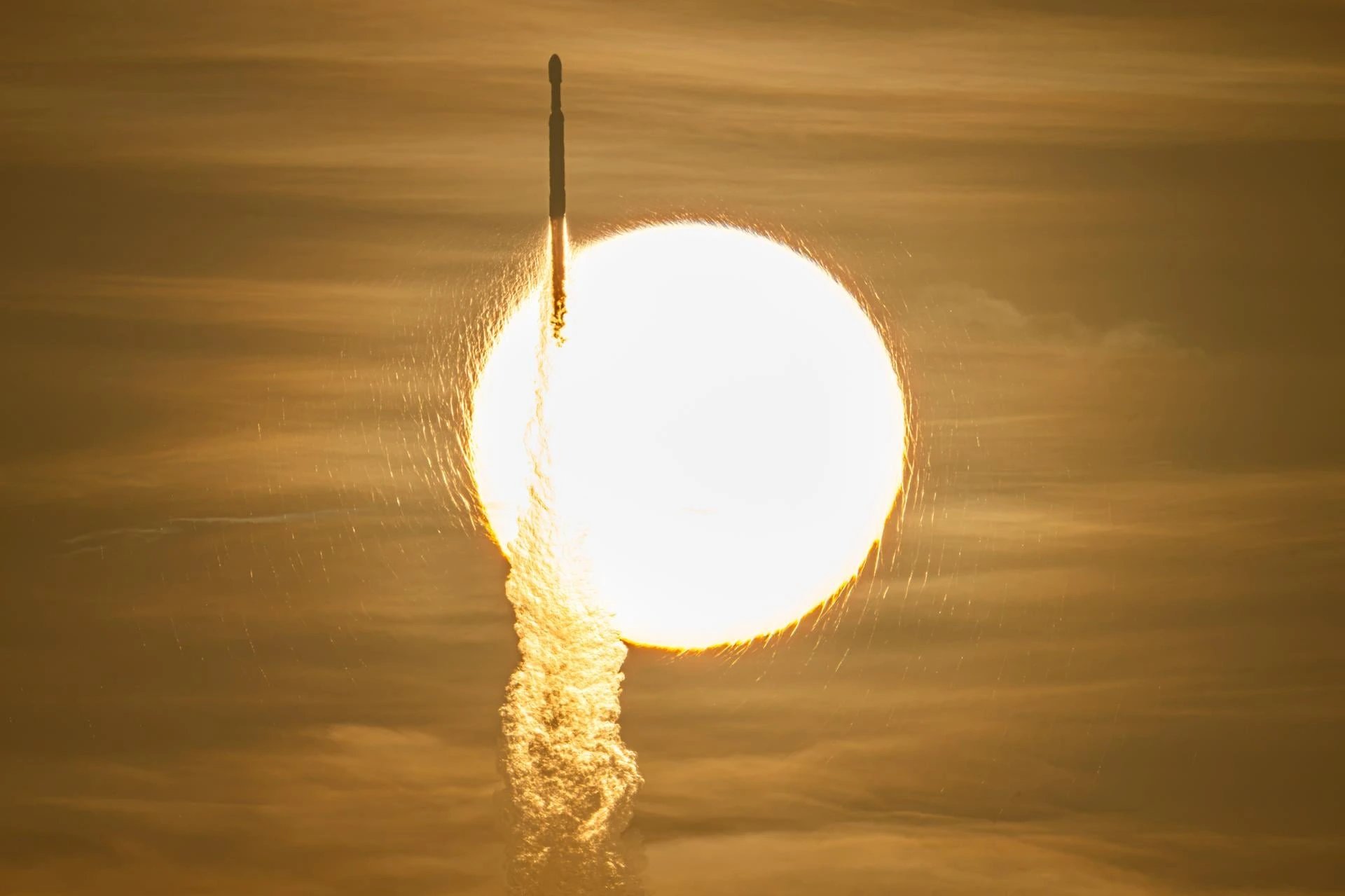
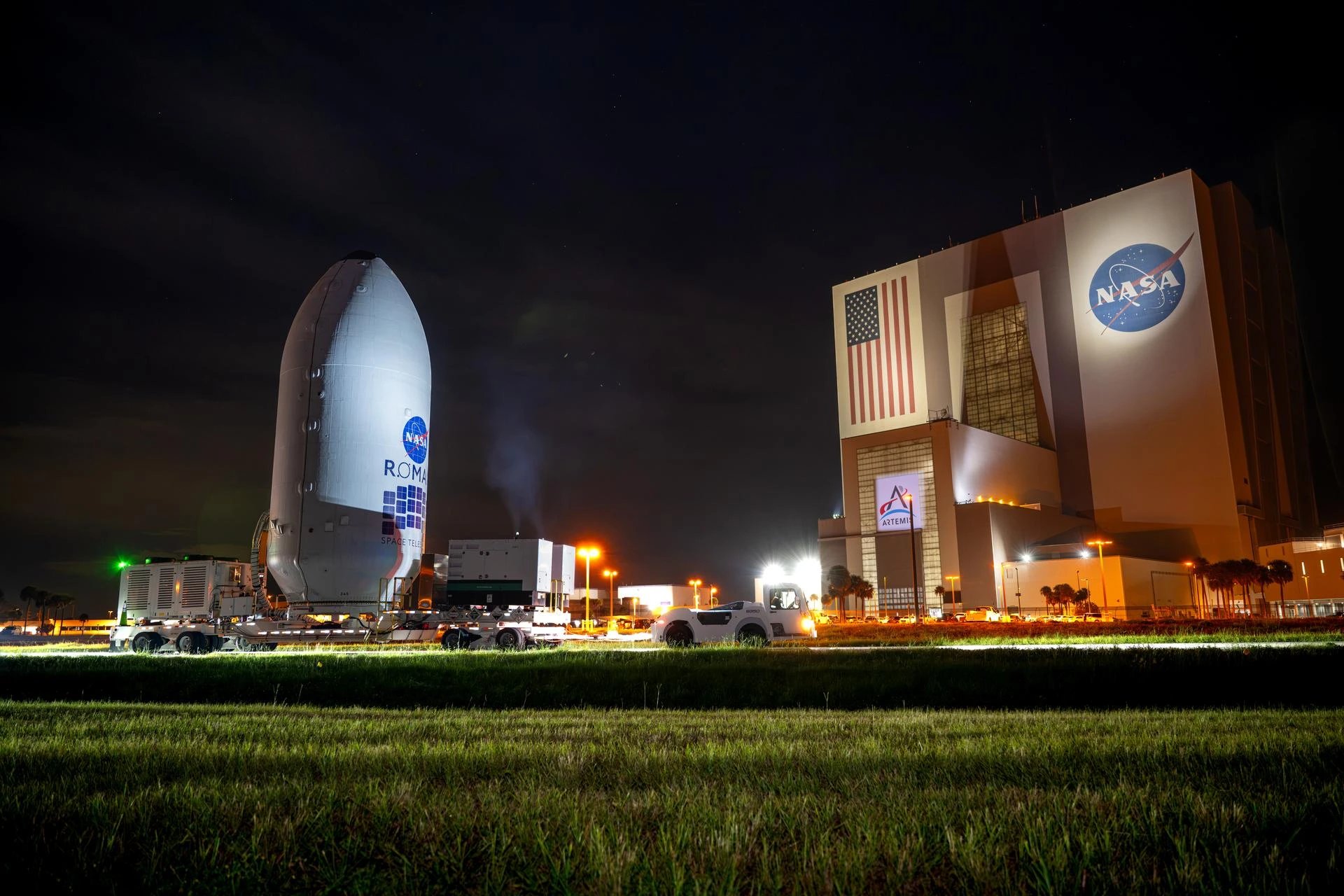
NASA's Nancy Grace Roman Space Telescope is scheduled to lift off at 7:26 am EDT on 30 August 2026 aboard a SpaceX Falcon Heavy from Kennedy Space Center. The launch follows years of schedule revisions, with NASA now describing the mission as nine months ahead of its current baseline. Liftoff will occur from Launch Complex 39A, the same Florida coast where supporters long questioned whether the telescope would ever reach the pad.
Key Facts
- Liftoff is targeted for 7:26 am EDT on 30 August 2026, or 11:26 UTC, from Launch Complex 39A at Kennedy Space Center.
- NASA now describes Roman as launching nine months ahead of its current launch-readiness commitment of May 2027.
- The Supernova Acceleration Probe, conceived in 1999, became the original inspiration for the Joint Dark Energy Mission when NASA joined the Department of Energy in 2003.
- The 2010 astronomy decadal survey created the mission identity that became the Roman Space Telescope.
Launch Schedule
The Roman Space Telescope is scheduled to leave Earth on Sunday morning from the same Florida coast where many of its supporters spent years wondering whether it would ever reach a launch pad. Liftoff is targeted for 7:26 am EDT on 30 August 2026, or 11:26 UTC, aboard a SpaceX Falcon Heavy from Launch Complex 39A at Kennedy Space Center. NASA now describes Roman as launching nine months ahead of schedule, based on a May 2027 launch-readiness commitment approved in a 2021 replan.
Schedule Baselines
Roman has at least three legitimate clocks: a scientific lineage reaching back to 1999, a mission identity created by the 2010 astronomy decadal survey, and a formal NASA project baseline reset after the pandemic. The 2020 launch date belonged to a National Academies recommendation made before NASA had formally started the project, while the May 2027 date is the agency's current launch-readiness commitment. A decadal survey is how the US astronomy community establishes priorities, and a project baseline is the cost and schedule NASA formally commits to after engineering, funding and risk are better defined.
Scientific Origins
Roman's oldest direct branch appeared after astronomers reported in 1998 that the universe's expansion was accelerating, creating an urgent need to measure distant supernovae and dark energy. The Supernova Acceleration Probe, or SNAP, was conceived in 1999 as a space observatory designed to make those measurements systematically. The US Department of Energy's Lawrence Berkeley National Laboratory says SNAP became the original inspiration for the Joint Dark Energy Mission when NASA joined the department in 2003. JDEM was not one selected spacecraft at first but a programme in which teams developed competing concepts, including SNAP, the Dark Energy Space Telescope and the Advanced Dark Energy Physics Telescope.
1 source
NASA's Roman Space Telescope to launch Sunday from Kennedy Space Center