Roman Space Telescope's 2.4-Metre Mirror Traces to 2012 NRO Surplus Transfer
This digest was compiled by AI from multiple sources — links to the originals are below.
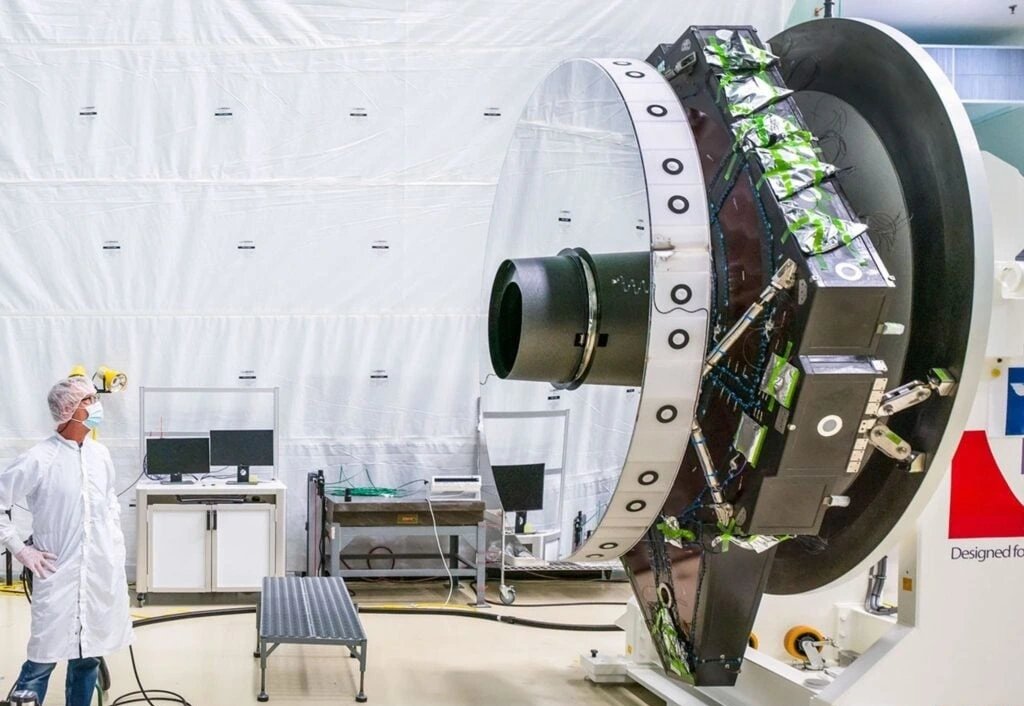
NASA's Nancy Grace Roman Space Telescope is set to launch at 7:26 am EDT on 30 August 2026 from Kennedy Space Center. Its 2.4-metre primary mirror originated as surplus hardware transferred by the National Reconnaissance Office in 2012. The telescope will survey the sky with a field of view at least 100 times larger than Hubble's.
Key Facts
- The National Reconnaissance Office transferred two surplus telescope systems to NASA in 2012, including 2.4-metre mirrors, support structures, controllers, and baffles.
- NASA is targeting 7:26 am EDT on 30 August 2026 for the launch of the Roman Space Telescope from Kennedy Space Center.
- Roman's field of view will be at least 100 times larger than Hubble's, despite having the same 2.4-metre mirror diameter.
- The transferred hardware was maintained at the ITT Exelis facility in Rochester, New York, where it had spent time in storage.
The 2012 Transfer
The National Reconnaissance Office designs, acquires, and operates American reconnaissance satellites. NASA did not disclose the original programme for the transferred hardware, and the telescope assets were declassified with some export-control sensitivities still attached. The public first learned of the transfer on 4 June 2012, and a NASA Astronomy Picture of the Day published six days later described two space-qualified, Hubble-quality telescopes whose ownership had unexpectedly passed to the civil space agency. In the minutes of NASA's July 2012 Science Committee meeting, astrophysics director Paul Hertz said the hardware was commonly misstated as 'two telescopes'; more accurately, NASA controlled a collection of valuable parts for two systems, plus additional hardware.
From Surplus Parts to Observatory
NASA received space-qualified optics, support structures, controllers, and baffles for two telescope systems, plus additional parts. The collection had been space-qualified and tested, and was being maintained at the ITT Exelis facility in Rochester, New York, where the systems had already spent time in storage. NASA did not receive two complete observatories ready for a launch manifest; a telescope still needs science instruments, detectors, thermal control, pointing systems, power, communications, flight software, a spacecraft structure, ground operations, and a rocket. NASA spent years turning one inherited optical starting point into a complete observatory, redesigning the optical train, adding a large infrared detector array, new instruments, a new spacecraft, and integrating all systems.
Launch and Survey Capability
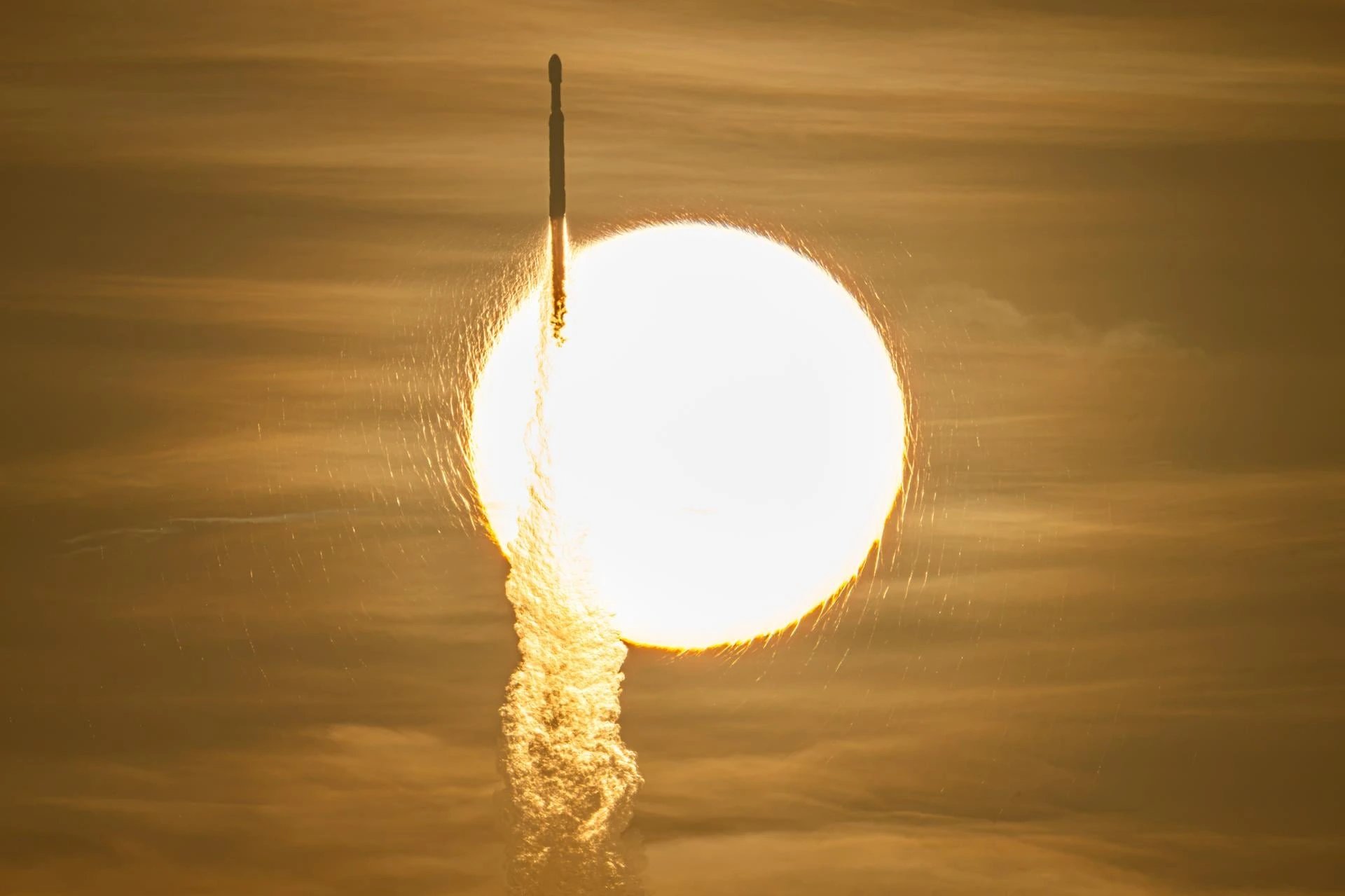
Fourteen years after the transfer became public, the result is enclosed in a Falcon Heavy fairing at Kennedy Space Center. NASA is targeting 7:26 am EDT on 30 August 2026 for launch. Roman will launch with a mirror the same diameter as Hubble's and a field of view at least 100 times larger. Roman's survey power comes from a redesigned optical train, a large infrared detector array, new instruments, a new spacecraft, and the work required to make all of those systems operate together.
1 source
Roman Space Telescope's 2.4-Metre Mirror Traces to 2012 NRO Surplus Transfer