Roman Space Telescope cleared for launch after four White House cut attempts
This digest was compiled by AI from multiple sources — links to the originals are below.
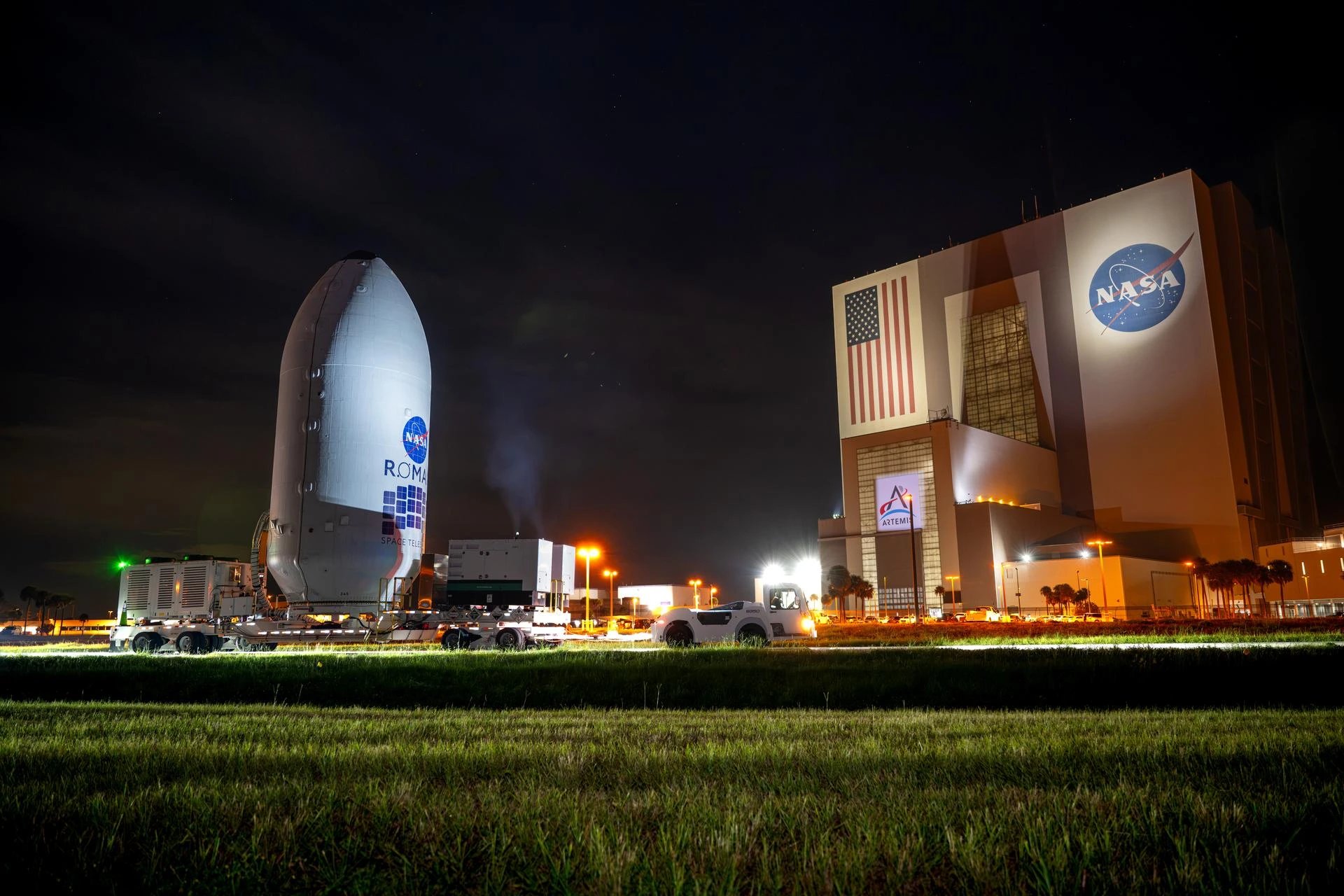
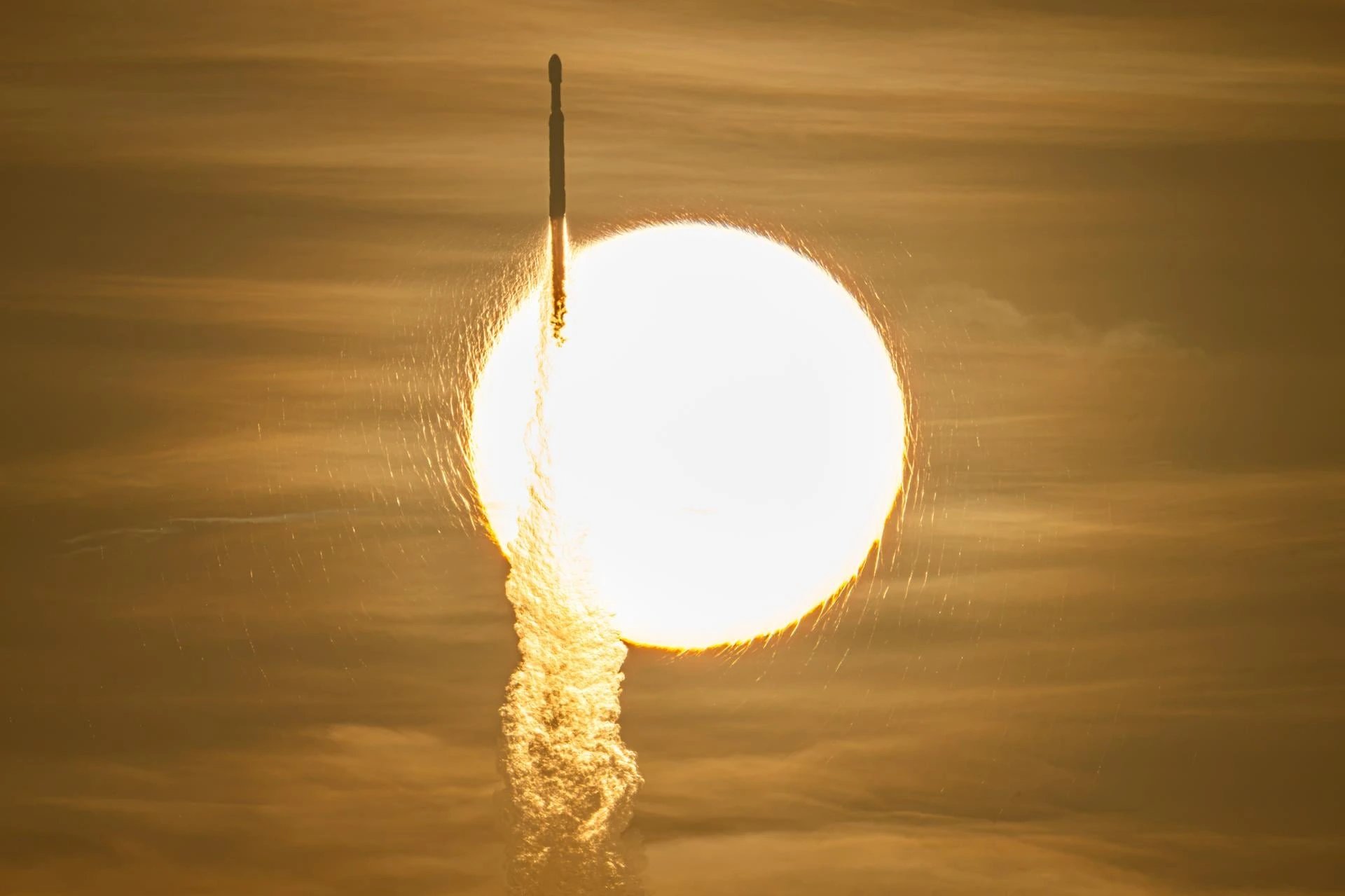
NASA's Nancy Grace Roman Space Telescope is enclosed in a 13-metre SpaceX payload fairing at Kennedy Space Center, cleared by the final launch readiness review. Liftoff is targeted for 7:26 am EDT on Sunday, 30 August 2026, on a Falcon Heavy rocket. The launch follows four White House budget requests to cancel or sharply cut the mission, each reversed by Congress.
Key Facts
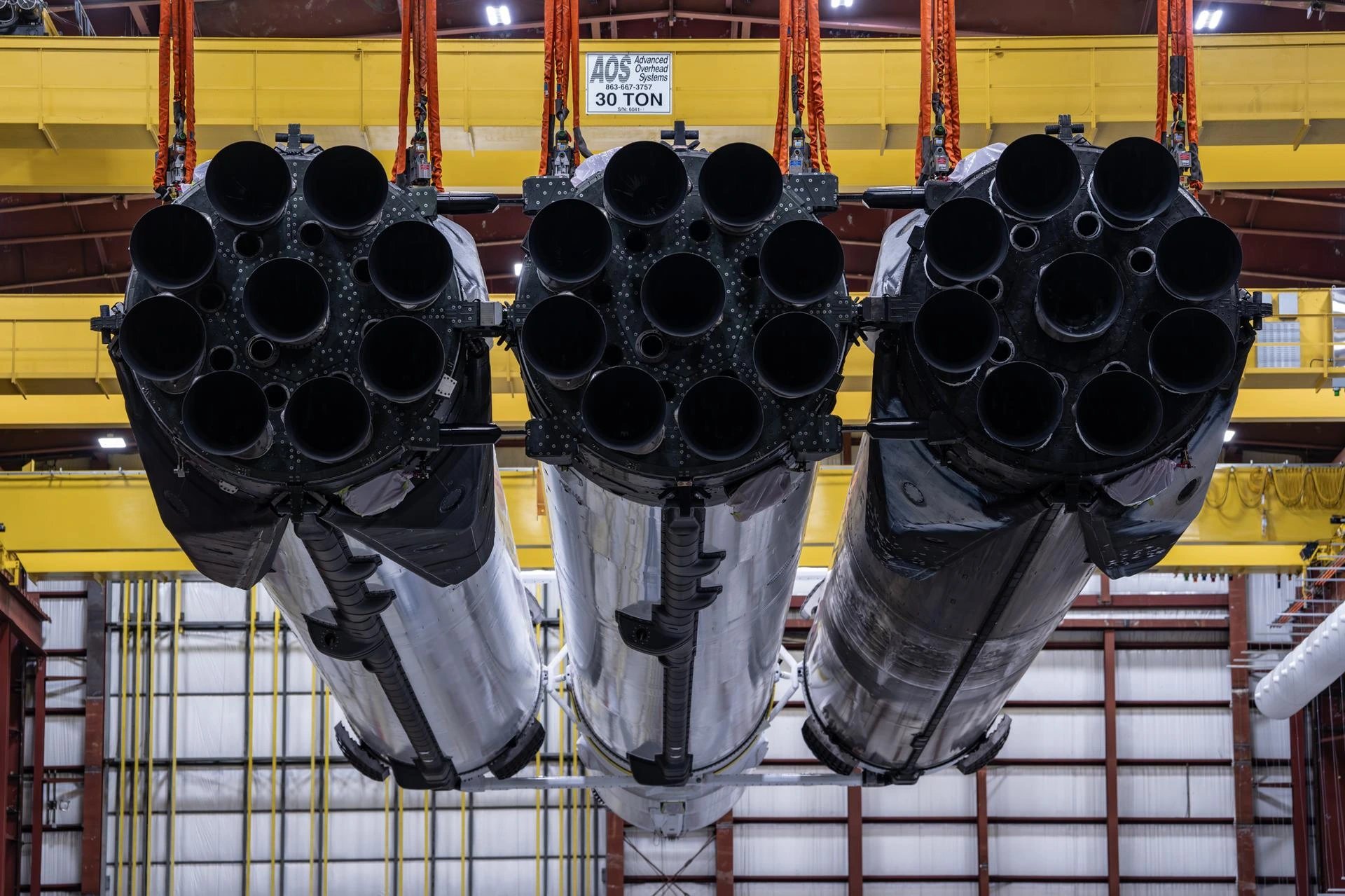
- The Roman Space Telescope is mated to a Falcon Heavy rocket inside a 13-metre SpaceX payload fairing at Kennedy Space Center.
- Liftoff is targeted for 7:26 am EDT on Sunday, 30 August 2026.
- The White House proposed terminating Roman in fiscal years 2019, 2020, and 2021, and a 61.6 percent funding cut in fiscal 2024.
- Congress restored funding for Roman in each of the four budget cycles.
- The first termination proposal was submitted on 12 February 2018, when the mission was called WFIRST.
Launch Readiness
NASA's Nancy Grace Roman Space Telescope is enclosed inside a 13-metre SpaceX payload fairing at Kennedy Space Center. The spacecraft is mated to a Falcon Heavy rocket and has passed the final launch readiness review. Liftoff is targeted for 7:26 am EDT on Sunday, 30 August 2026. The mission was previously known as the Wide Field Infrared Survey Telescope, or WFIRST.
Budget Battles
President Donald Trump's administrations proposed terminating Roman in fiscal years 2019, 2020, and 2021. A fourth request in fiscal 2024 would have cut Roman's funding by 61.6 percent from its operating-plan level. Congress restored funding for the telescope in each of the four annual appropriations bills. The first termination proposal was submitted on 12 February 2018, when the mission was called WFIRST. Acting NASA administrator Robert Lightfoot called the proposed cancellation a hard decision, citing higher agency priorities and the telescope's increasing cost.
Budget Process
A presidential budget request is a proposal to Congress and does not become law on its own. Congress writes the appropriations that permit federal agencies to spend, and the president can sign or veto the resulting legislation. Roman was targeted in four budget cycles and protected through the appropriations process each time. NASA managers must consider contracts, staffing, schedule reserve, and what work can legally continue under available funding when a cut is proposed.
1 source
Roman Space Telescope cleared for launch after four White House cut attempts