Hormuz traffic collapse reshapes global shipping six months into US-Israel war on Iran
This digest was compiled by AI from multiple sources — links to the originals are below.
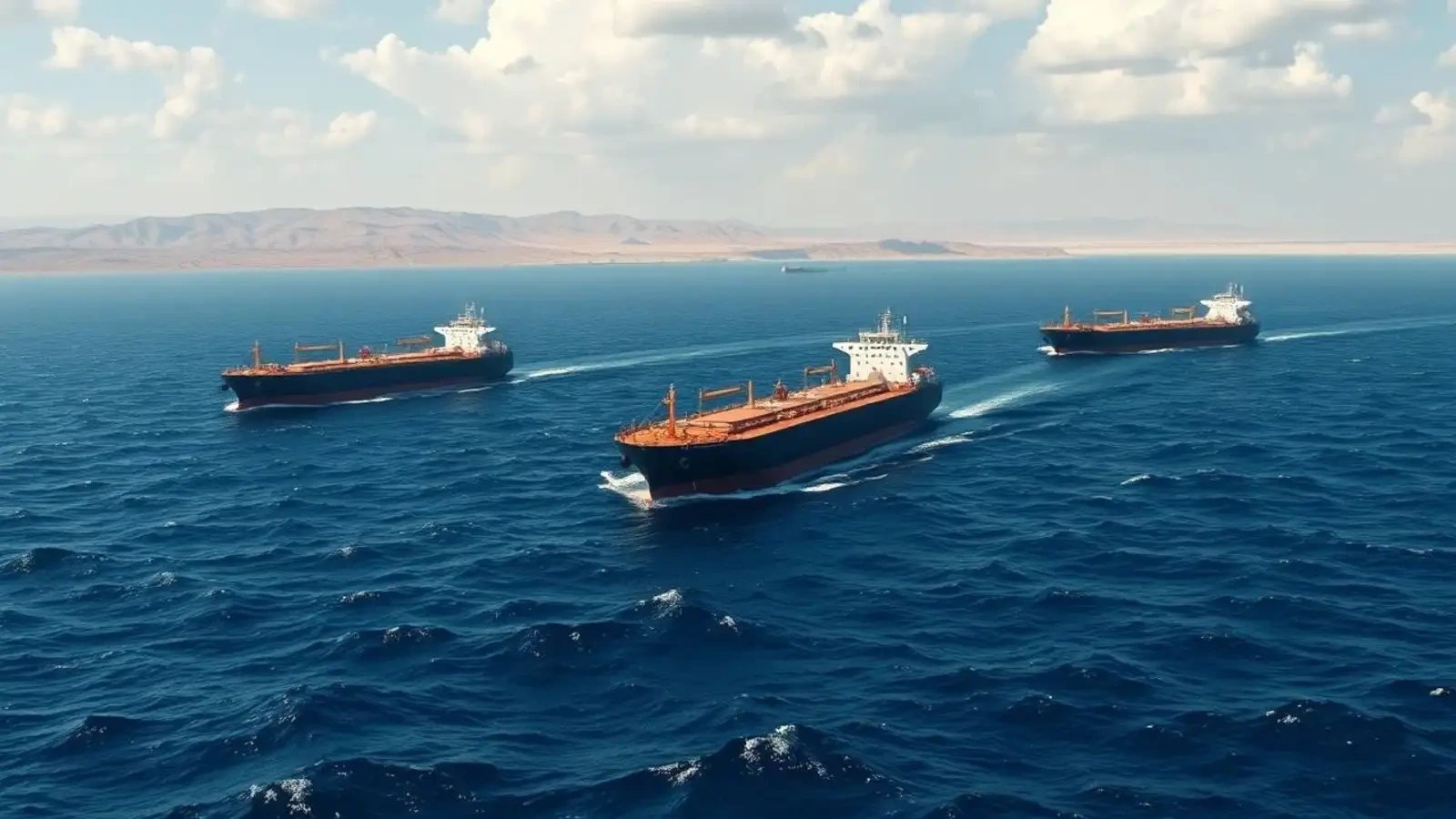
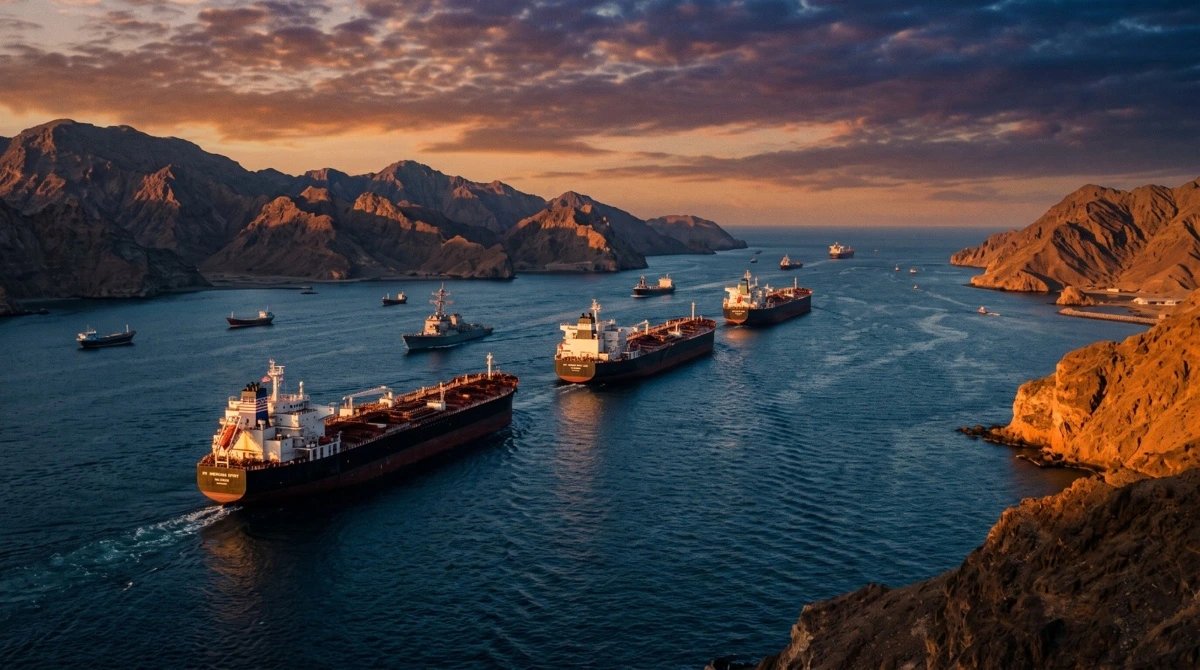
Six months into the US-Israel war on Iran, traffic through the Strait of Hormuz has fallen from more than 100 vessels a day to just five, disrupting oil, gas and goods flows worldwide. The 33km chokepoint carries more than one-third of global seaborne crude oil and nearly one-third of LPG flows, with no alternative maritime route. The disruption affects an industry that moves about 80 percent of world trade by volume.
Key Facts
- Traffic through the Strait of Hormuz has fallen from more than 100 vessels a day to just five since the US-Israel war on Iran began six months ago.
- The Strait of Hormuz carries more than one-third of global seaborne crude oil and nearly one-third of liquefied petroleum gas flows.
- About 80 percent of world trade by volume moves by sea, according to UNCTAD.
- Dry bulk carriers made about 7,000 Hormuz transits a year, or about 20 a day, before the war, according to Lloyd's List.
- Richard Matthews of Gibson Shipbrokers said the Hormuz closure is probably the first major constriction of a chokepoint with no alternative maritime route.
Global Shipping Dependence
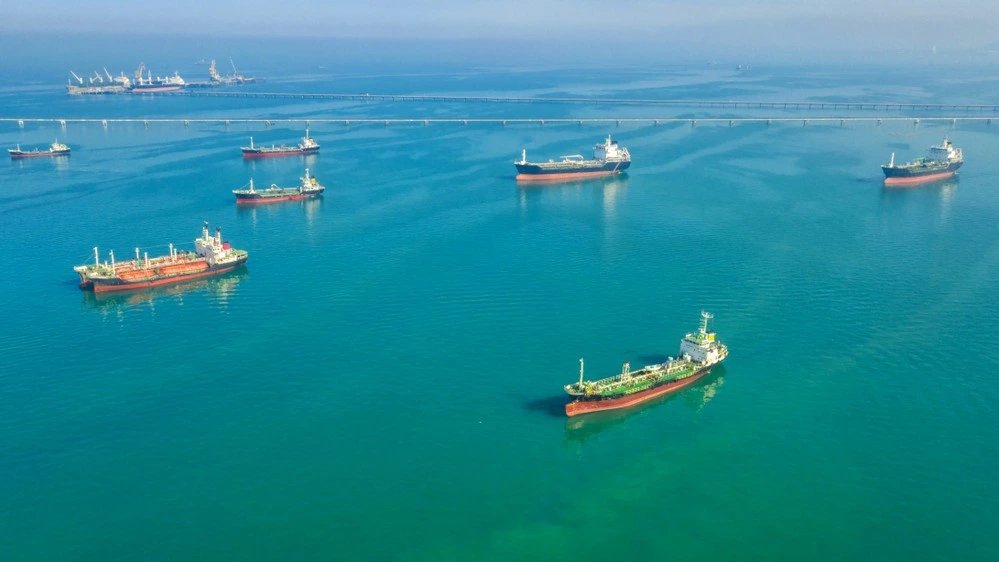
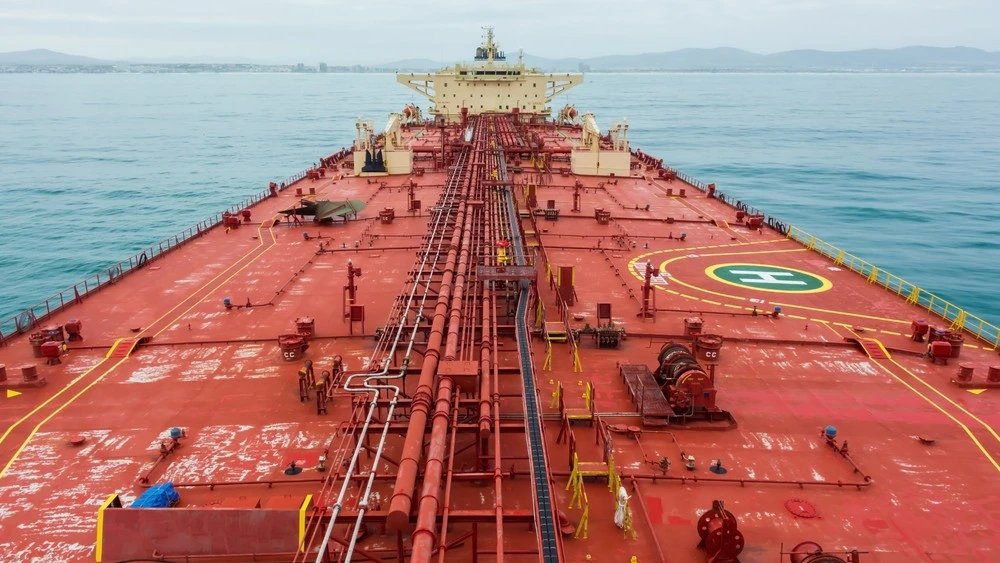
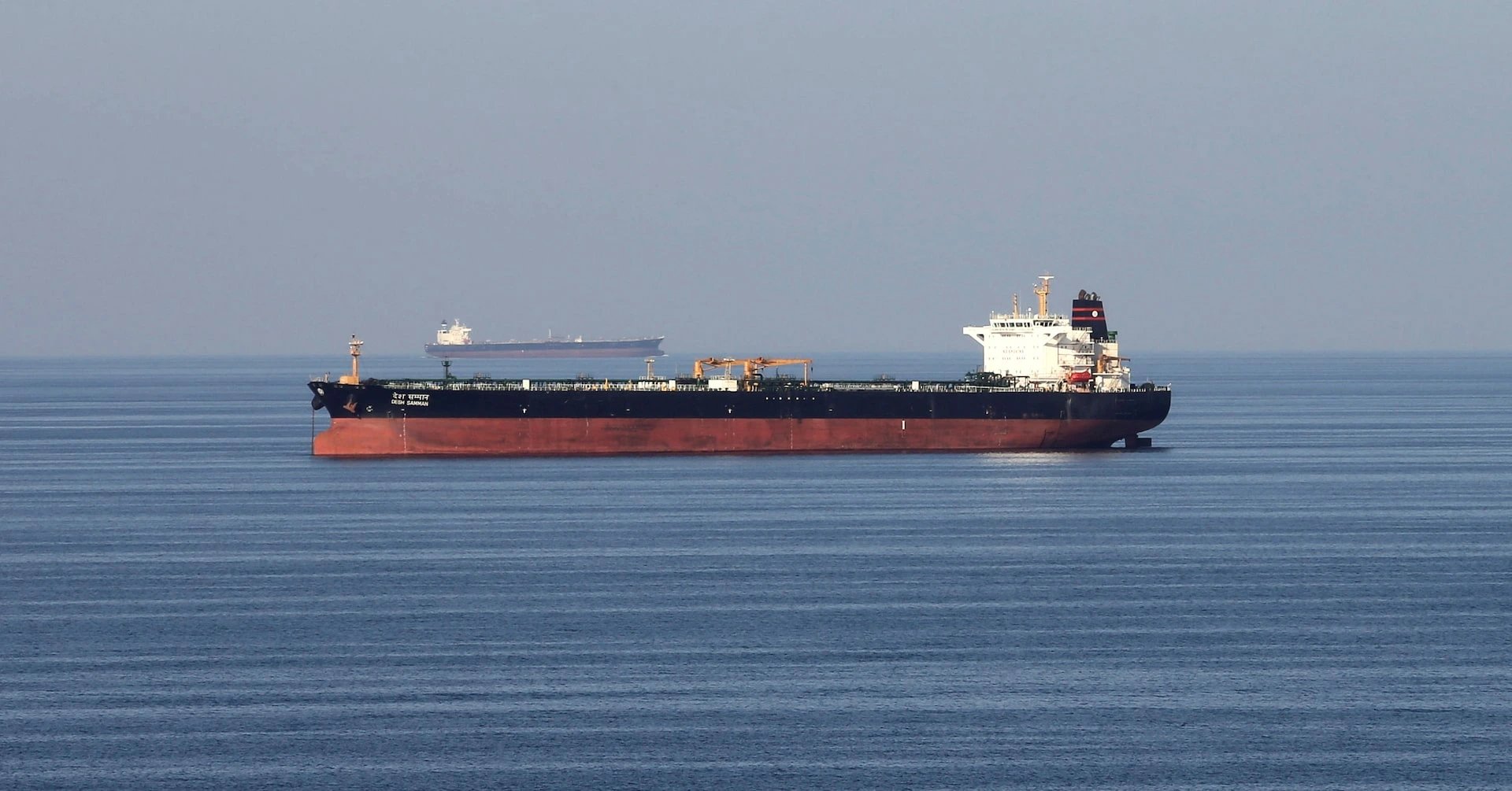
About 80 percent of world trade by volume moves by sea at some point, making maritime shipping essential to the global economy, according to UNCTAD, the UN's trade and development body. Oil tankers, including Very Large Crude Carriers that carry about two million barrels of crude, transport energy products such as crude oil, refined petroleum, and chemicals. Container ships transport consumer goods like phones and clothing in stacked steel boxes, with some vessels exceeding 400 metres in length and carrying more than 20,000 containers. Dry bulk carriers move raw materials such as grain, coal and iron ore, and Lloyd's List estimates they made about 7,000 Hormuz transits a year before the war. General cargo ships carry mixed goods like steel and machinery, while Ro-Ro ships transport wheeled cargo such as cars, trucks and heavy machinery.
Hormuz Chokepoint Crisis
The Strait of Hormuz is one of three main gateways in the Middle East, carrying more than one-third of global seaborne crude oil and nearly one-third of liquefied petroleum gas flows, along with significant volumes of LNG and refined petroleum products. Richard Matthews, director of consultancy and research at Gibson Shipbrokers, told Al Jazeera that this is probably the first time we've really seen a major constriction of a choke point. Matthews explained that what makes the Strait of Hormuz different from other chokepoints is that there is no alternative maritime route, though some pipelines exist. Ports along the Gulf are where much of the region's energy begins its journey to the rest of the world.
1 source
Hormuz traffic collapse reshapes global shipping six months into US-Israel war on Iran