Iran and Houthis close key straits as drought slows Panama, Rhine cargo
This digest was compiled by AI from multiple sources — links to the originals are below.
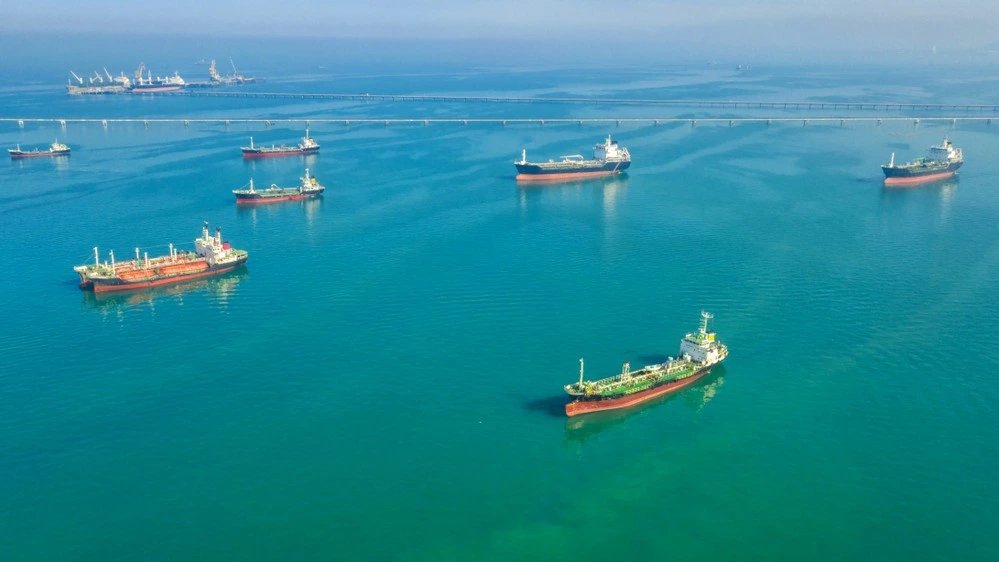
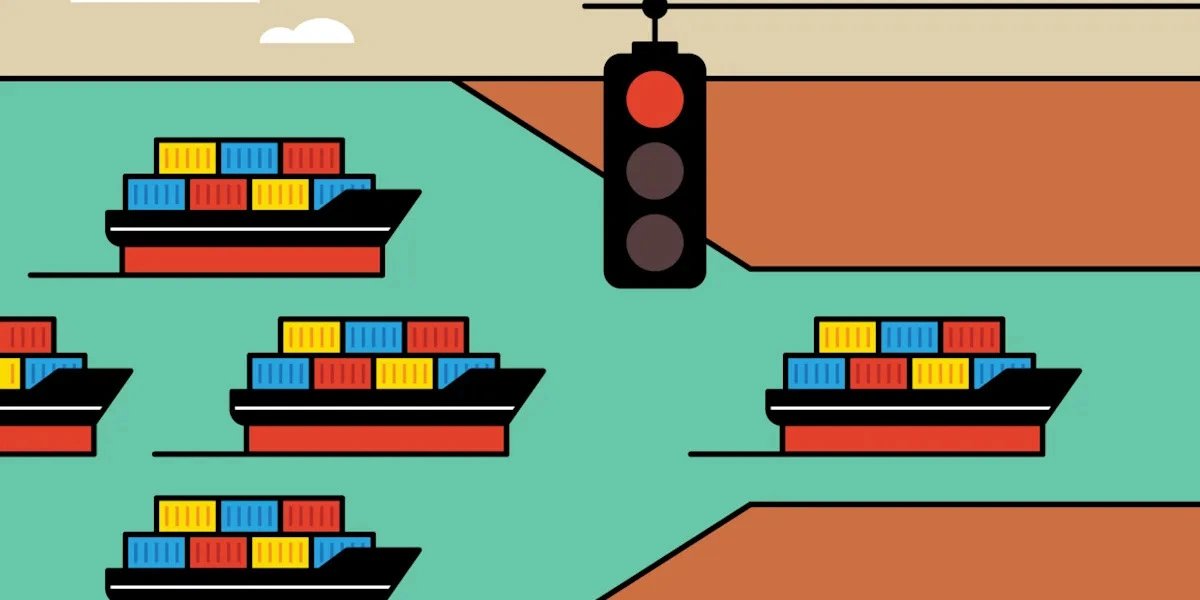
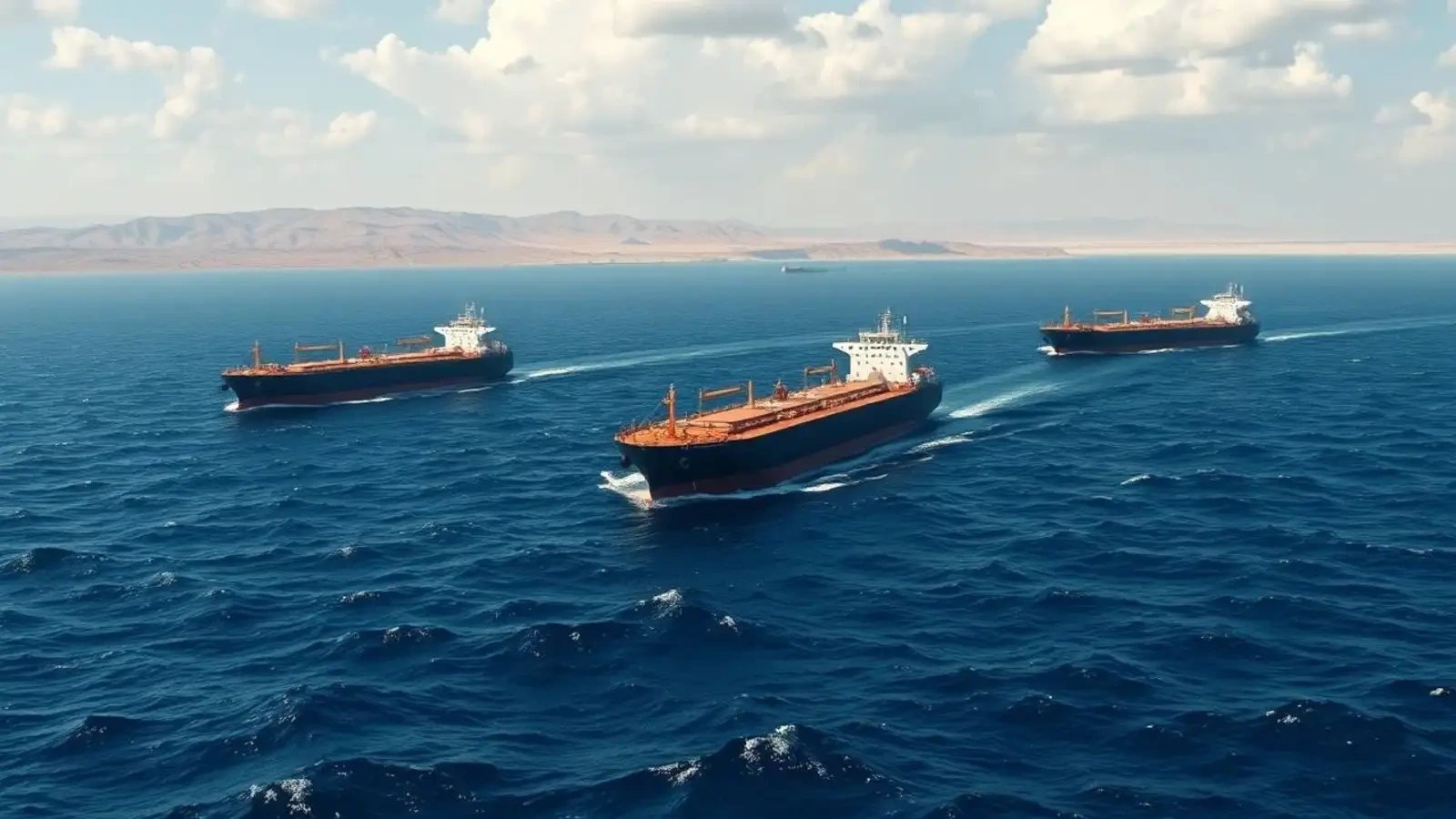
Iran keeps the Strait of Hormuz closed to most ships, blocking a route that carries 20 percent of the world's oil. Yemen's Houthis close Bab el-Mandeb to Saudi vessels, forcing Saudi oil tankers around Africa. Drought compounds the disruption: Panama Canal ships wait 10 days to transit, and the Rhine is at its lowest since records began in 1880.
Key Facts
- The Strait of Hormuz carries 23 percent of ammonia, 34 percent of urea, 20 percent of phosphate, 30 percent of helium, and 24 percent of sulfur.
- Houthi forces attack Saudi ships in Bab el-Mandeb, prompting many commercial shippers to avoid the strait.
- Panama Canal auction slots allow ships to skip a 10-day wait by paying a premium.
- Some freight normally moved on the Rhine is now going by truck and rail.
Hormuz and Bab el-Mandeb Closures
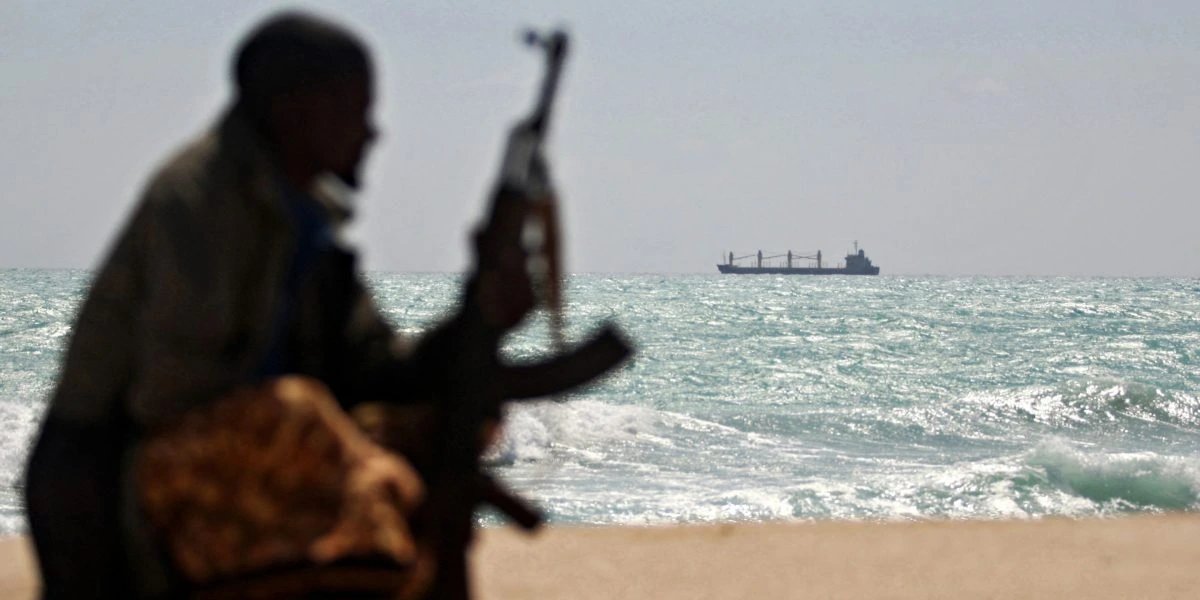
Iran closes the Strait of Hormuz to most ships after a US and Israeli attack on Iran in early March. The strait carries 20 percent of the world's oil and key fertilizer materials, including 23 percent of ammonia, 34 percent of urea, 20 percent of phosphate, 30 percent of helium, and 24 percent of sulfur. Yemen's Houthis close Bab el-Mandeb to Saudi vessels on the other side of the Arabian Peninsula. The Houthis say commercial shippers not serving Saudi Arabia may continue, but many avoid the strait as the group attacks Saudi ships. Saudi oil tankers now sail around Africa despite added costs.
Panama Canal Drought
The Panama Canal relies on sufficient rain to fill artificial lakes that feed the locks. Ongoing drought limits the number of ships the canal can handle each day. Ships must wait 10 days to transit unless they enter a special auction and pay a premium to skip the line. Water released to the canal is lost to the ocean and must be replenished.
Rhine River Low Levels
The Rhine River is experiencing its lowest levels since records began in 1880. Repeated heatwaves continue to hit Europe, starving the river of water. Vessels must now carry less cargo to avoid scraping the bottom and getting stuck. Some freight normally carried on the Rhine is now going by truck and rail.
1 source
Iran and Houthis close key straits as drought slows Panama, Rhine cargo