BBC gains rare access to Taliban rule in northern Afghanistan
This digest was compiled by AI from multiple sources — links to the originals are below.
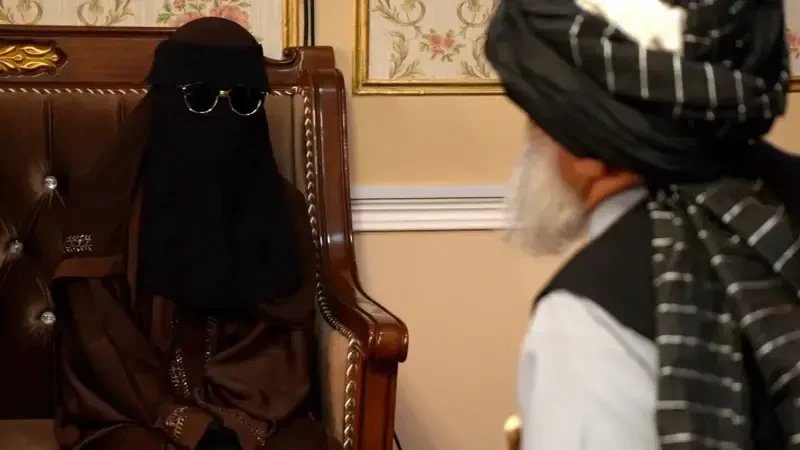
BBC reporters gained rare access to Taliban officials in northern Afghanistan, documenting a divorce plea by an 18-year-old woman before Governor Abdullah Sarhadi. The woman accused her husband of months of abuse and refused to back down. The scene unfolded amid Taliban restrictions barring girls from secondary education and women from most work.
Key Facts
- Governor Abdullah Sarhadi told the woman her honor and dignity would be destroyed by divorce, and she replied that they were already destroyed.
- The woman's husband demanded a divorce payment four times the original marriage sum, which her family refused to pay.
- The BBC obtained rare access to Taliban officials over two years, including former suicide-attack planners now serving as civil servants and soldiers.
- Since the Taliban took power in 2021, women have been barred from most work, university education, travel without a male guardian, and access to parks and entertainment centers.
The Divorce Plea
An 18-year-old woman, identified only as Tuba, asked Governor Abdullah Sarhadi in his office for a divorce from a husband she accused of months of abuse and beatings. Sarhadi urged her to stay married, asking who would marry her after divorce and warning she would have to compromise or lose dignity and honor. She replied that her honor and dignity were already destroyed, and she had no intention of accepting a refusal. Under sharia, a woman seeking divorce may be required to return part or all of the marriage payment, but her husband demanded four times the original amount and her family refused.
Taliban Governance
The BBC gained rare access to Taliban officials over two years, meeting men who once planned suicide attacks or hid underground and now serve as civil servants and soldiers. Governor Sarhadi later said women are reckless and mentally deficient, prompting laughter from male officials, bodyguards, and elders in his office. Since seizing power in 2021, the Taliban has barred women from most work, university education, travel without a male guardian, and access to parks and entertainment centers. The movement claimed to have changed upon taking power, but many current rules resemble the strict sharia interpretation it applied in the 1990s.
1 source
BBC gains rare access to Taliban rule in northern Afghanistan