
Afghan Women Describe Life Under Taliban Rule as Tourist Narrative Grows
This digest was compiled by AI from multiple sources — links to the originals are below.
Afghan women, speaking anonymously through Rukhshana Media, describe life under Taliban rule as travel influencers promote Afghanistan as a welcoming destination. The Taliban has banned girls from school beyond sixth grade, barred women from universities and most jobs, and in August 2024 enacted a law requiring full face coverings and silencing women's voices in public. The UN reports 28 million Afghans cannot meet basic needs, even as foreign tourists share images of bustling Kabul markets and mountain valleys.
Key Facts
- Since September 2021, Afghan girls have been barred from attending school beyond sixth grade.
- In December 2022, the Taliban issued an indefinite ban on women studying at all public and private universities.
- In August 2024, the Taliban enacted a 114-page 'Propagation of Virtue and Prevention of Vice' law requiring women to fully cover their faces in public and forbidding their voices from being heard singing, reciting, or reading aloud outside the home.
- The UN reports that three out of four Afghans — roughly 28 million people — cannot meet their basic daily needs, and over 64 percent of the population lives in multidimensional poverty.
- Rukhshana Media, which employs 10 reporters working secretly inside Afghanistan, is fundraising to continue paying its team.
Taliban Restrictions on Women
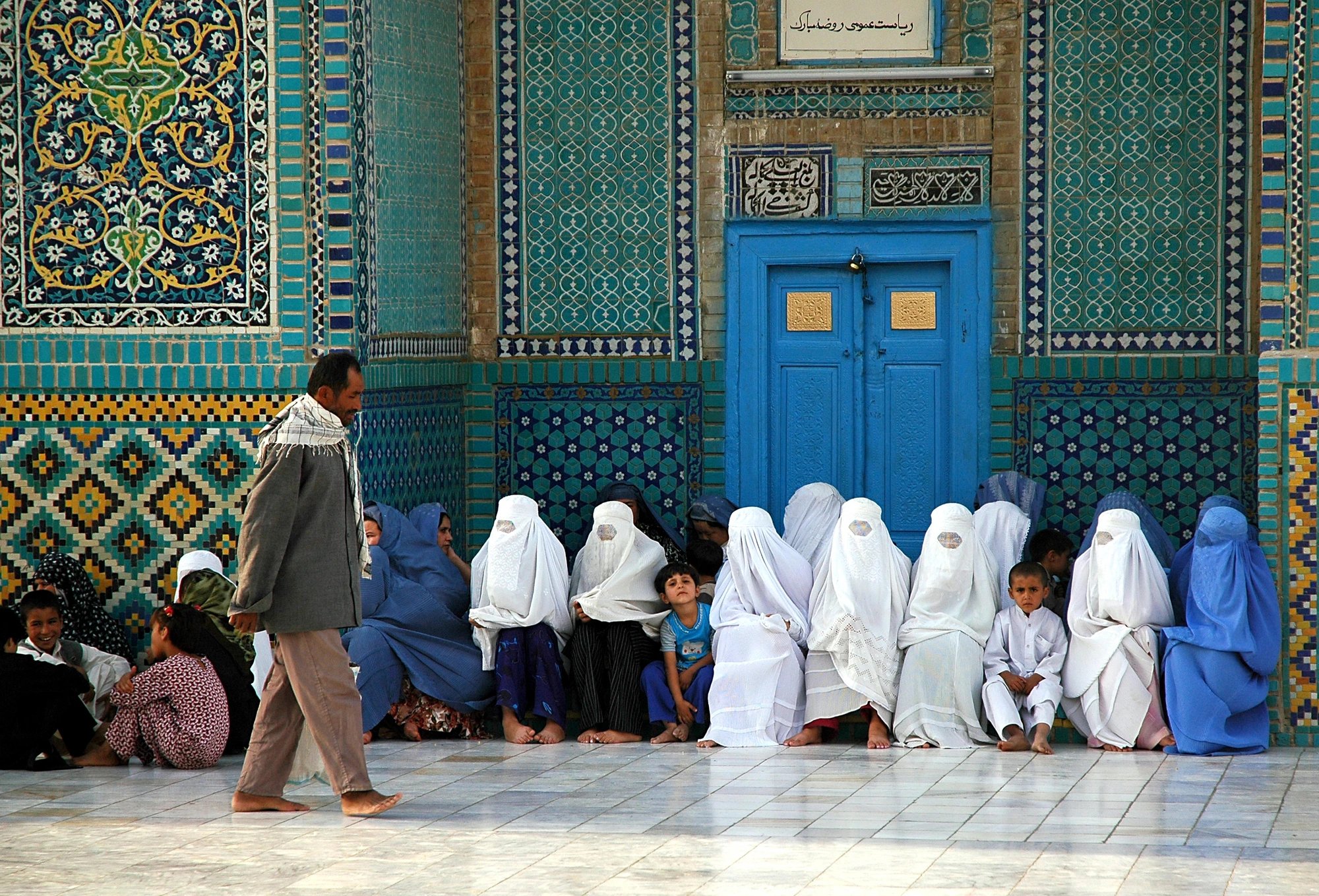
Since September 2021, Afghan girls have not been allowed to attend school beyond the sixth grade. Women have been pushed out of most professional jobs, including positions in government offices and non-governmental organizations. In December 2022, months after thousands of women sat for university entrance exams, the Taliban issued an indefinite ban on women studying at all public and private universities. In August 2024, the Taliban formally enacted a sweeping 114-page 'Propagation of Virtue and Prevention of Vice' law. The law introduced strict rules requiring women to completely cover their faces in public and forbidding their voices from being heard singing, reciting, or reading aloud outside the home.
Humanitarian Crisis
The UN reports that three out of four Afghans — roughly 28 million people — cannot meet their basic daily needs. Over 64 percent of the population lives in multidimensional poverty, meaning people are systematically deprived of clean water, adequate food, basic medicine, and housing. These conditions persist even as travel influencers, including women, tour bustling Kabul markets and showcase pristine mountain valleys to their audiences.
Voices of Afghan Women
The Diplomat, with help from Rukhshana Media and other friends in Afghanistan, brings the voices of Afghan women directly to readers. Most of the women asked to hide their faces and alter their names out of fear of retaliation. Rukhshana Media is currently fundraising to continue paying its team of 10 brave reporters who work secretly inside Afghanistan.
1 source
Time · lag behind first