
NASA to launch Roman Space Telescope on August 30 to survey 100,000 planets
This digest was compiled by AI from multiple sources — links to the originals are below.
NASA is scheduled to launch the Nancy Grace Roman Space Telescope on August 30, 2026, at 7:26 am EDT from Kennedy Space Center aboard a SpaceX Falcon Heavy. The telescope will begin a five-year survey mission that NASA projects could reveal around 100,000 planets, compared with nearly 6,300 confirmed as of May. The launch date remains subject to weather, rocket readiness, or technical issues.
Key Facts
- NASA's Roman Space Telescope is scheduled to launch on August 30, 2026, at 7:26 am EDT (11:26 UTC) from Launch Complex 39A at Kennedy Space Center in Florida.
- The telescope will be carried to the second Sun-Earth Lagrange point (L2), about 1.5 million kilometres from Earth, by a SpaceX Falcon Heavy rocket.
- NASA projects Roman could reveal around 100,000 planets during its five-year survey, compared with nearly 6,300 confirmed exoplanets as of May.
- Roman's Wide Field Instrument combines 18 infrared detectors into a 288-megapixel focal plane with a field of view of 0.28 square degrees, at least 100 times wider than Hubble's comparable camera.
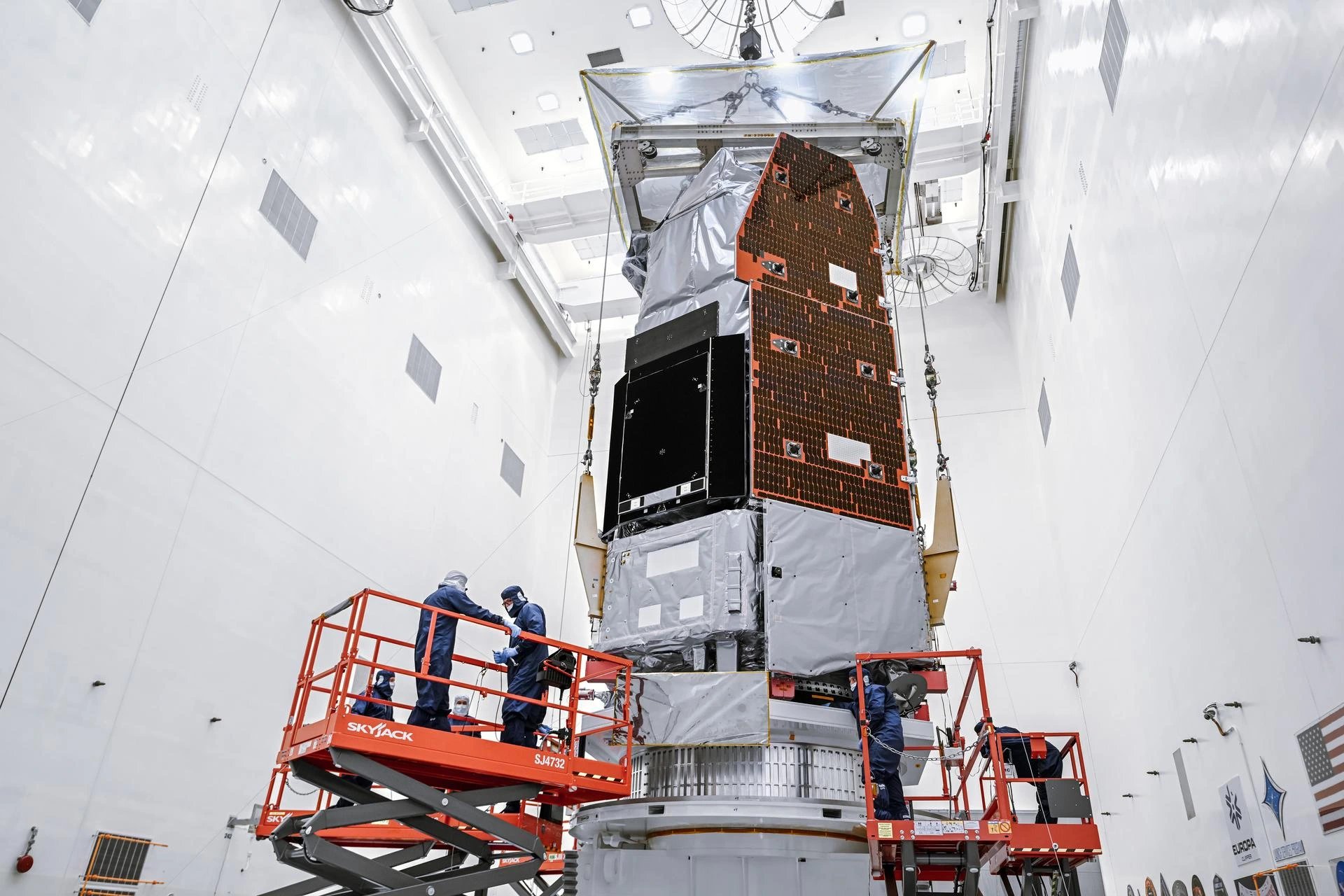
- The observatory arrived at Kennedy Space Center in June after completing assembly and testing ahead of its earlier May 2027 commitment date.
Launch Schedule
NASA's current Roman mission page lists liftoff at 7:26 am EDT on Sunday, August 30, from Launch Complex 39A at Kennedy Space Center in Florida. A SpaceX Falcon Heavy will send the telescope toward the second Sun-Earth Lagrange point, L2, about 1.5 million kilometres from Earth. The observatory reached Kennedy in June after teams completed assembly and testing ahead of the mission's older May 2027 commitment date. Technicians then performed final servicing, fuel loading, rehearsals, and integration work. Launch dates can still move because of weather, rocket readiness, or a late technical issue, and August 30 is NASA's live target, not a guaranteed liftoff.
Wide Field Instrument
Roman's primary mirror is 2.4 metres across, the same diameter as Hubble's, but the area of sky recorded depends on optics and detector layout. The Wide Field Instrument combines 18 infrared detectors into a 288-megapixel focal plane. NASA's technical mission answers give its field as 0.28 square degrees, a patch larger than the apparent full Moon and at least one hundred times the field of Hubble's comparable imaging camera. Roman can survey broad areas up to one thousand times faster while retaining similar near-infrared sensitivity and resolution. The shorthand '100 times more sky in one shot' is a field-of-view comparison, not a claim of 100 times more magnification or sharpness.
Planet Survey Projection
NASA says Roman could reveal around 100,000 planets, compared with nearly 6,300 confirmed when the agency published its latest forecast in May. The enormous number is a projected transit yield from repeatedly watching an exceptionally crowded region of the Milky Way, not a promise of 100,000 Earth twins or a list of confirmed worlds. If launch and commissioning proceed as planned, Roman will begin a five-year survey mission built around a Hubble-sized primary mirror and a camera that sees at least one hundred times more sky in each exposure.
2 sources
Time · lag behind first