China’s rare earth leverage rests on refining, not reserves
This digest was compiled by AI from multiple sources — links to the originals are below.
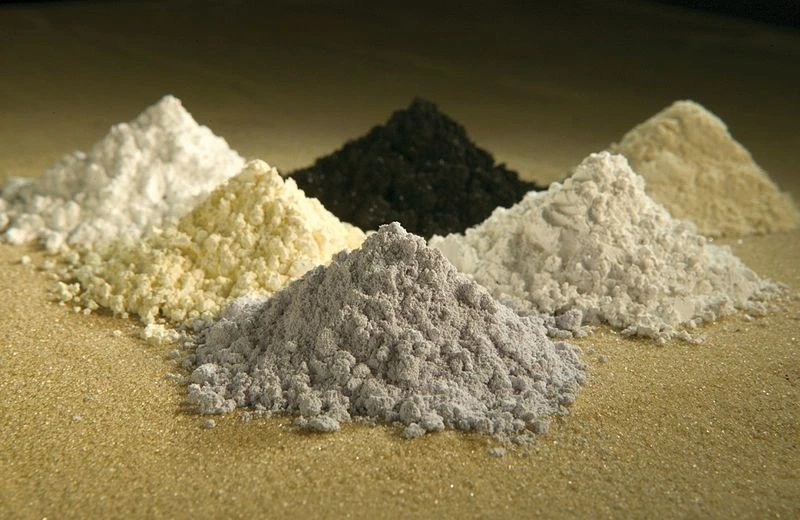
China remains the dominant supplier of processed rare earths, controlling 91 percent of refining and 94 percent of magnet production, according to International Energy Agency data for 2024. Government diversification efforts in Asia, North America, and Europe have shown only moderate success in light rare earths while heavy rare earth leverage persists.
Key Facts
- China controlled nearly 60 percent of heavy rare earth mining, 91 percent of refining, and 94 percent of magnet production in 2024, according to International Energy Agency data.
- China holds nearly 44 million metric tons of rare earth reserves, about 48 percent of global reserves, according to the United States Geological Survey.
- In June 2026, Beijing added more U.S. companies to its rare earth export restrictions and created a reporting mechanism for violations.
- The European Union’s Critical Raw Materials Act, U.S. Project Vault, and initiatives from Australia and India are among the diversification programs.
Value Chain Dominance
China dominates all three stages of the rare earth value chain, from mining to refining to magnet production. International Energy Agency data show China controlled nearly 60 percent of heavy rare earth mining, 91 percent of refining, and 94 percent of magnet production in 2024. China’s main advantage lies in refining and production, the result of decades of investment in technical expertise and supporting ecosystems. Heavy rare earth elements are essential for high-temperature permanent magnets used in advanced defense systems, electric vehicles, and offshore wind turbines.
Diversification Limits
Government efforts to diversify away from China in Asia, North America, and Europe have been moderately successful only for light rare earths. No single competitor currently possesses China’s combination of resources, processing capacity, technical expertise, manufacturing scale, and downstream demand. Much of the capability outside China remains fragmented geographically across separate producers. The EU’s Critical Raw Materials Act, U.S. Project Vault, and policies from Australia and India emphasize self-reliance and diversification.
Hedging Framework
Hedging, often understood as balancing between two political superpowers, can also be applied to a single-power economic domain. Asian nations should study recent Cold War history and apply hedging strategies to rare earth supply chains. China’s dominance increases as the value chain moves downstream, leaving limited room for complete decoupling.
1 source
China’s rare earth leverage rests on refining, not reserves