
China's $1.2 trillion trade surplus stems from property bust, not overcapacity
This digest was compiled by AI from multiple sources — links to the originals are below.
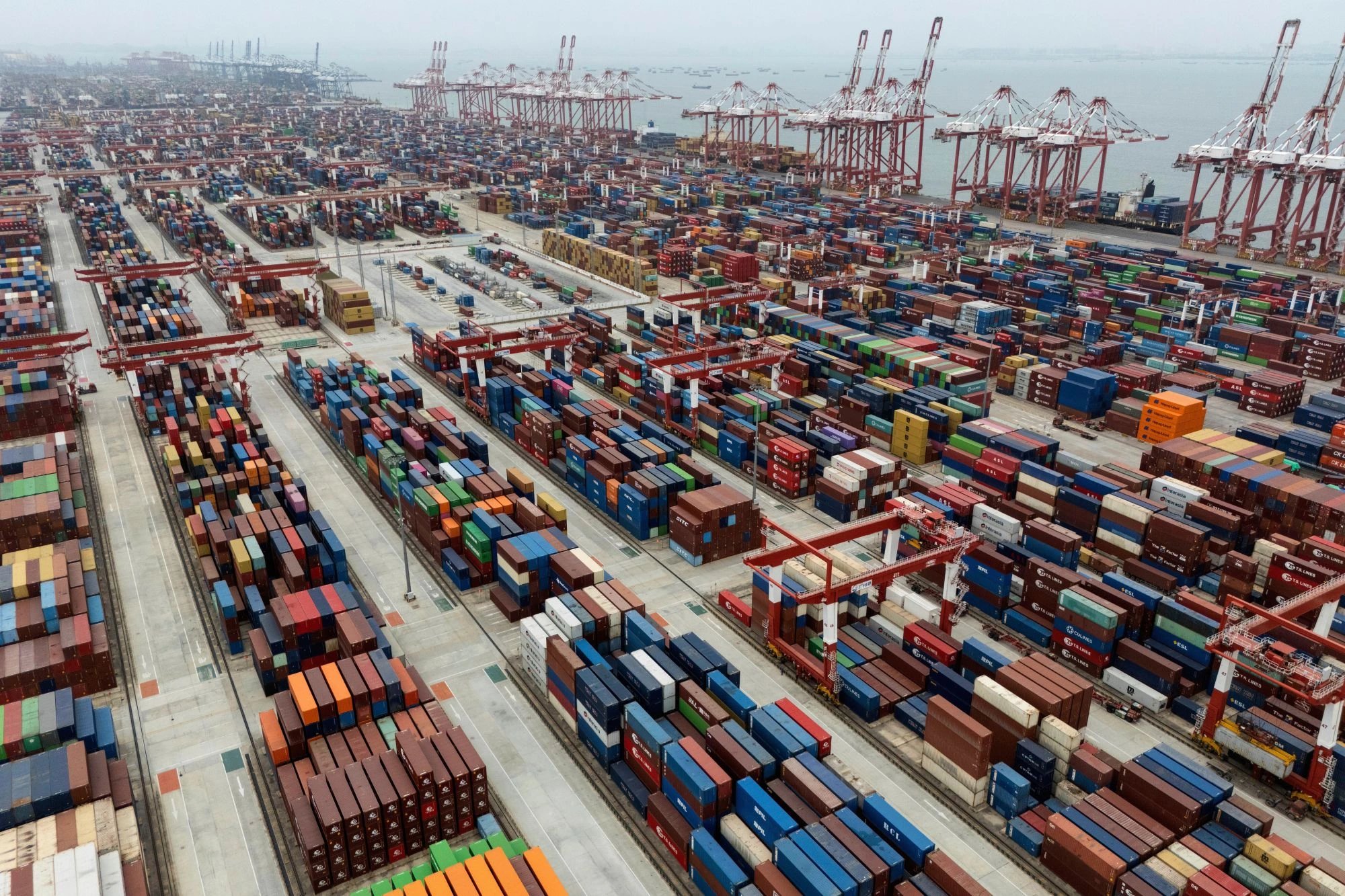
China's record $1.2 trillion trade surplus stems from a property-market collapse that crushed household wealth, not an intentional industrial strategy, a Reuters Breakingviews analysis concludes. Beijing's Ministry of Commerce has denied weak domestic demand in a position paper, yet passenger car sales fell for a tenth straight month in July even as auto exports rose nearly 90%.
Key Facts
- China's trade surplus reached a record $1.2 trillion, triggering EU negotiations aimed at reducing Chinese exports and boosting European purchases.
- The Ministry of Commerce's position paper argues export growth is driven by economies of scale, innovation, and energy-transition demand, denying any role for weak homegrown consumption.
- Passenger car sales in China fell for a tenth consecutive month in July, down roughly 20% year-on-year, while auto exports rose nearly 90%.
- Gavekal Dragonomics found that cash and deposits overtook housing as households' largest asset class this year.
- BYD Chairman Wang Chuanfu warned earlier this year that competition has reached a fever pitch and is undergoing a brutal knockout stage.
Ministry Position Paper
China's Ministry of Commerce published a 7,000-word position paper late last month titled 'China's Position on the So-called Excess Capacity Issue'. The document rejects the 'China Shock 2.0' narrative that lacklustre domestic demand shunts low-price Chinese goods to foreign markets. It attributes export growth to economies of scale, innovation, and global demand powered largely by the energy transition. The paper flatly denies that homegrown economic problems play any role, yet consumption growth has collapsed below pre-Covid levels.
Property-Led Demand Collapse
President Xi Jinping's 2020 campaign to delever property developers blew a hole in real-estate investment value. Home prices continue to fall, so shell-shocked Chinese households are saving at elevated levels instead of spending. Gavekal Dragonomics calculates that cash and deposits overtook housing as households' largest asset class this year. In July, car sales fell for the tenth consecutive month and were a fifth lower than a year ago, while auto exports rose nearly 90%. BYD Chairman Wang Chuanfu warned earlier this year that competition has reached a fever pitch and is undergoing a brutal knockout stage.
1 source
Time · lag behind first