
Monash study proposes expanding Homo to include fossil relatives from past 5 million years
This digest was compiled by AI from multiple sources — links to the originals are below.
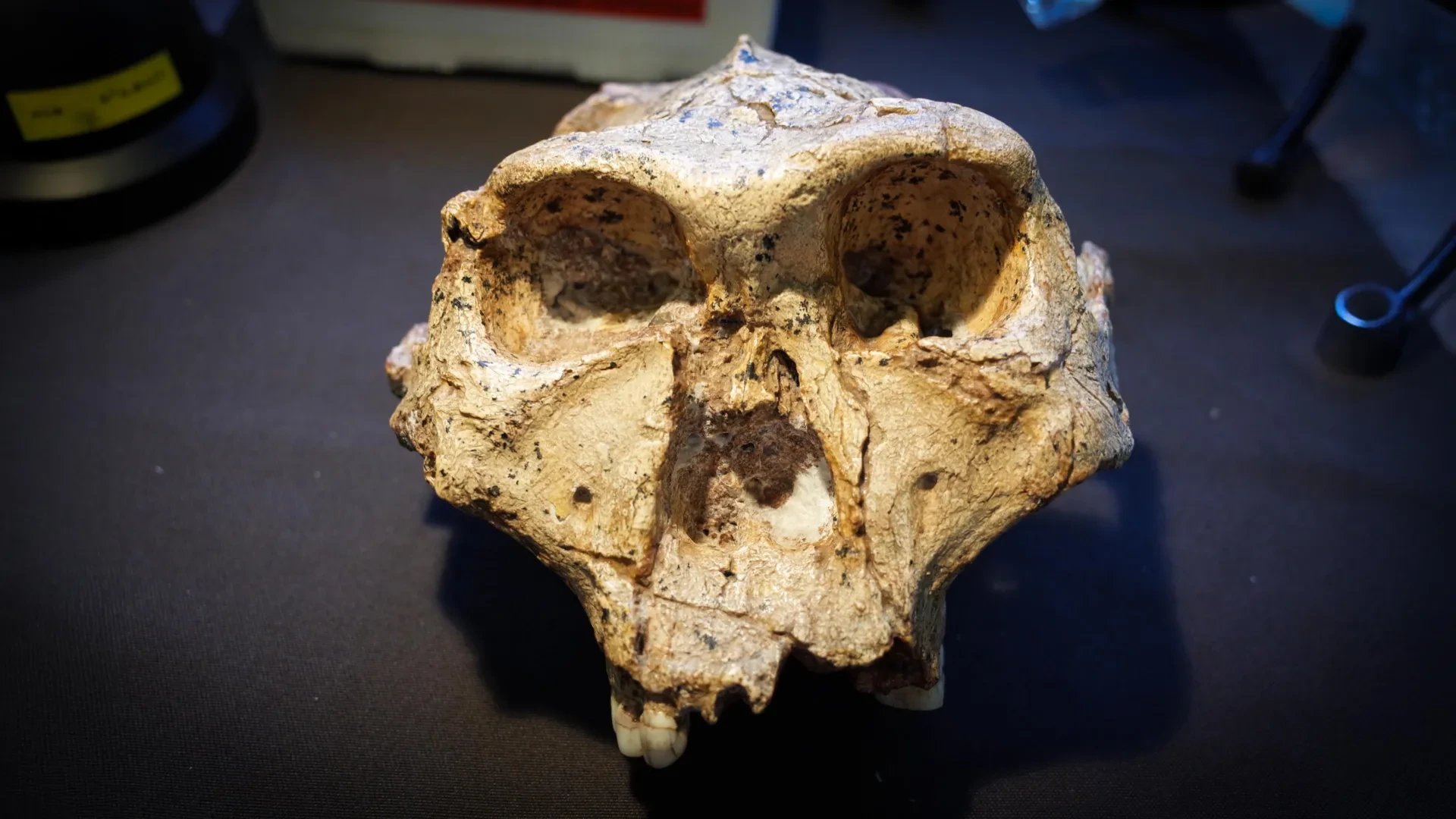
A Monash University study published in the American Journal of Biological Anthropology proposes expanding the genus Homo to include Australopithecus and Paranthropus. Lead researcher Ian Towle says recent fossil discoveries and advances in evolutionary and genetic analysis make this an ideal time to reconsider traditional human taxonomy. The proposal covers human species and close fossil relatives from the past 4-5 million years.
Key Facts
- Monash University researcher Ian Towle proposes the change in a study published in the American Journal of Biological Anthropology.
- The proposal calls for placing all human species and closely related fossil relatives from the past 4-5 million years within the genus Homo.
- Traditional Homo classification has used traits such as large brains, advanced tool use, and certain anatomical and behavioral characteristics.
- Scientists now know some Homo members had very small brains, and evidence indicates Paranthropus and Australopithecus were capable of complex behaviors.
- Towle said recent fossil discoveries and advances in evolutionary and genetic analysis make this an ideal time to reconsider whether traditional taxonomy accurately reflects human evolution.
The Proposal
Dr. Ian Towle, a Research Fellow at the Monash Biomedicine Discovery Institute, proposes expanding the genus Homo to include Australopithecus and Paranthropus. The proposal, published in the American Journal of Biological Anthropology, places all human species and closely related fossil relatives from the past 4-5 million years within Homo. Towle said the existing classification system is becoming less useful and less accurate as new fossils are discovered. He argued that these groups do not necessarily represent distinct evolutionary branches, or clades, and that behavioral and ecological differences once used to separate them have become harder to maintain.
Classification Challenges
Over the past 50 years, modern taxonomy has increasingly grouped organisms by shared ancestry rather than by anatomical similarity alone. Human evolution has been slower to adopt shared-ancestry classification. Traditionally, members of the Homo genus have been identified using traits such as large brains, advanced tool use, and certain anatomical and behavioral characteristics. Scientists now know that some members of Homo had very small brains, while evidence indicates that Paranthropus and Australopithecus were also capable of complex behaviors. These distinctions have become less clear, making the existing classification system less useful and less accurate.
Fossil and Genetic Evidence
Towle said recent fossil discoveries and advances in evolutionary and genetic analysis make this an ideal time to reconsider whether traditional taxonomy still accurately reflects human evolution. The study notes that differences in behavior and ecology once used to distinguish human groups have become increasingly difficult to maintain. Expanding Homo to include these other groups provides a more accurate and stable way to represent complex evolutionary relationships revealed by the growing fossil record. The research was published in the American Journal of Biological Anthropology.
1 source
Time · lag behind first